How to Tell If a Photo Is AI-Generated?
Artificial intelligence (AI) technologies are taking up more and more space in photography. AI-generated photos can produce results so convincing that telling them apart from real ones is genuinely tricky. That said, with a careful eye and a few specific things to look for, spotting an AI-generated photo is absolutely doable. Below, we'll walk through some practical methods to help you tell the difference between real photos and synthetically created ones.
Start by zooming in on the details. AI-generated photos tend to fall apart under close inspection, especially in complex scenes — think a crowd at a concert or a busy street corner. You might notice that a person's left and right ears look completely different, a shadow falls in a direction that doesn't match the light source, or a hand has six fingers. Objects in the background often look oddly sharp or strangely blurry without any logical reason for it.
Real photos carry natural imperfections: a slight lens blur at the edges, perspective distortion, the kind of visual noise you get in low light. AI images, on the other hand, tend to look almost too clean — or too chaotic in the wrong places. If you want a Turkish-focused guide on this topic, you can also read Bir Fotoğrafın Yapay Zeka Olup Olmadığını Nasıl Anlarız?.
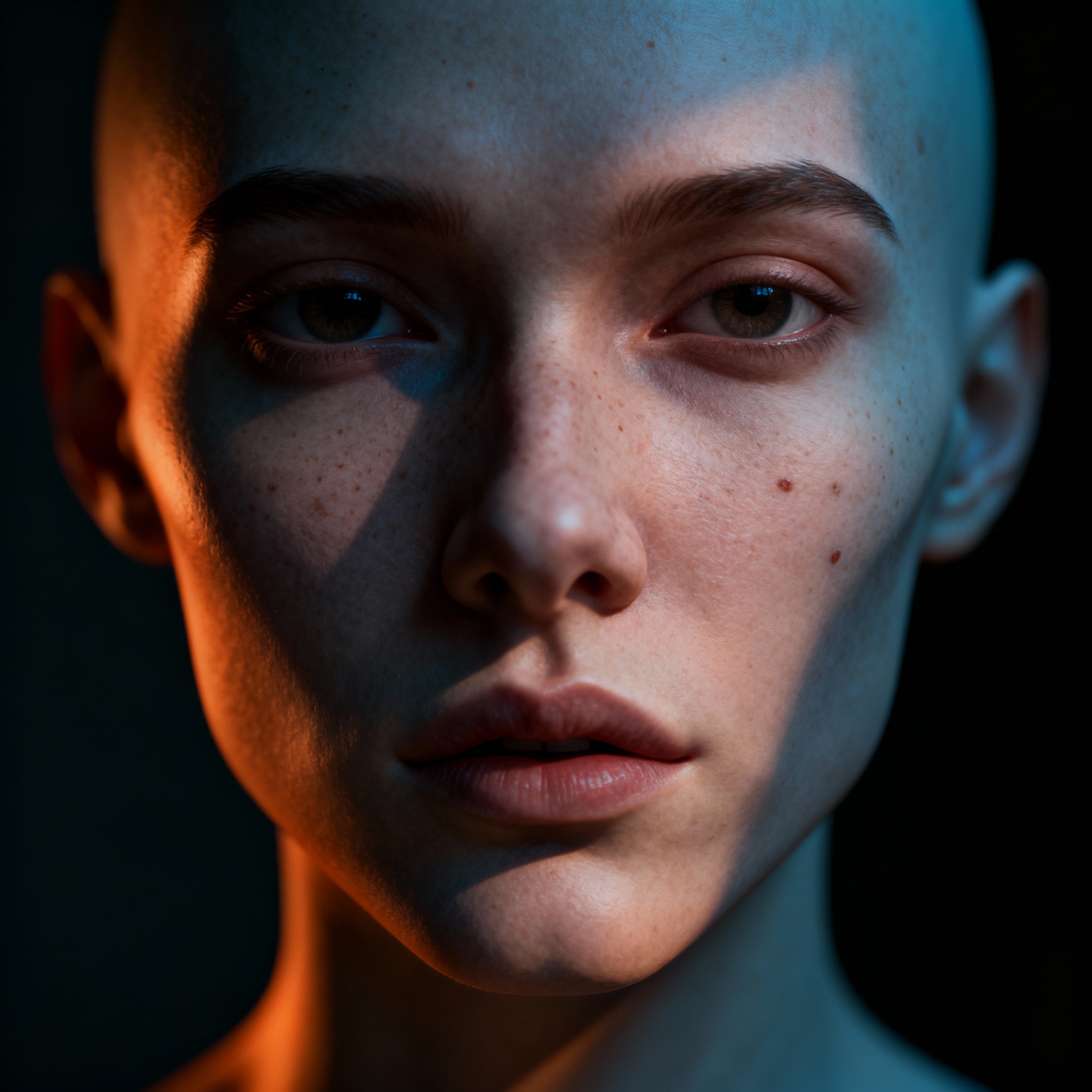
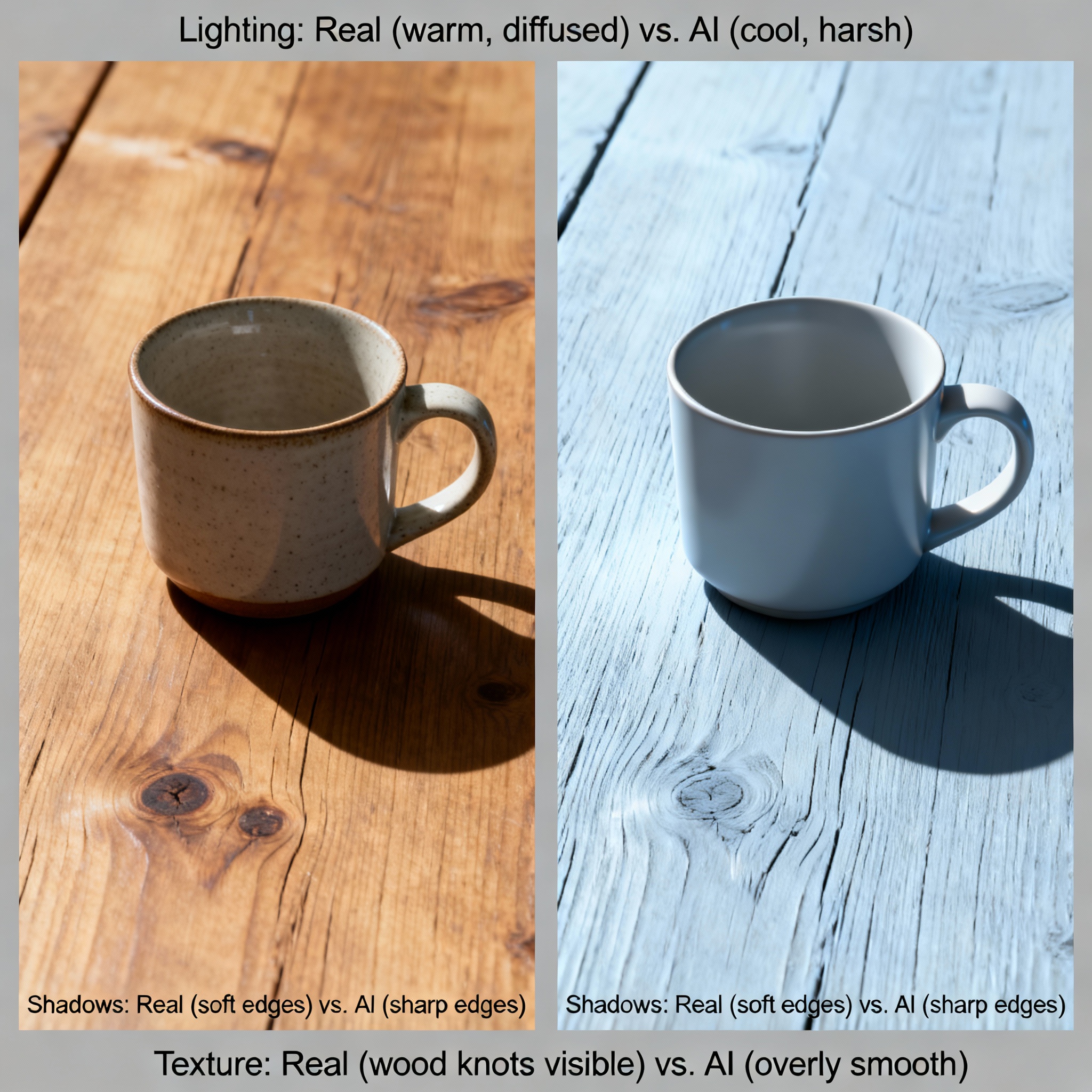
Next, pay close attention to lighting and texture. Ever seen a portrait where the skin looks like it was sculpted from wax — no pores, no fine hairs, just an eerie smoothness? That's a classic AI tell. Reflections on glasses or shiny surfaces are another weak spot; AI tools frequently get these wrong, placing reflections that don't match the actual environment in the image.
In genuine photos, light and shadow blend into each other gradually. Sunlight coming through a window creates a soft gradient across a face. In AI-generated images, these transitions often feel abrupt or slightly off — not dramatically wrong, but just enough to make you feel something isn't quite right. Checking whether the lighting actually makes physical sense is one of the fastest ways to flag a suspicious image. For a comparison of popular tools that create these images, see DALL-E ve Midjourney: Hangi Yapay Zeka Görüntü Oluşturucu Daha İyi?.
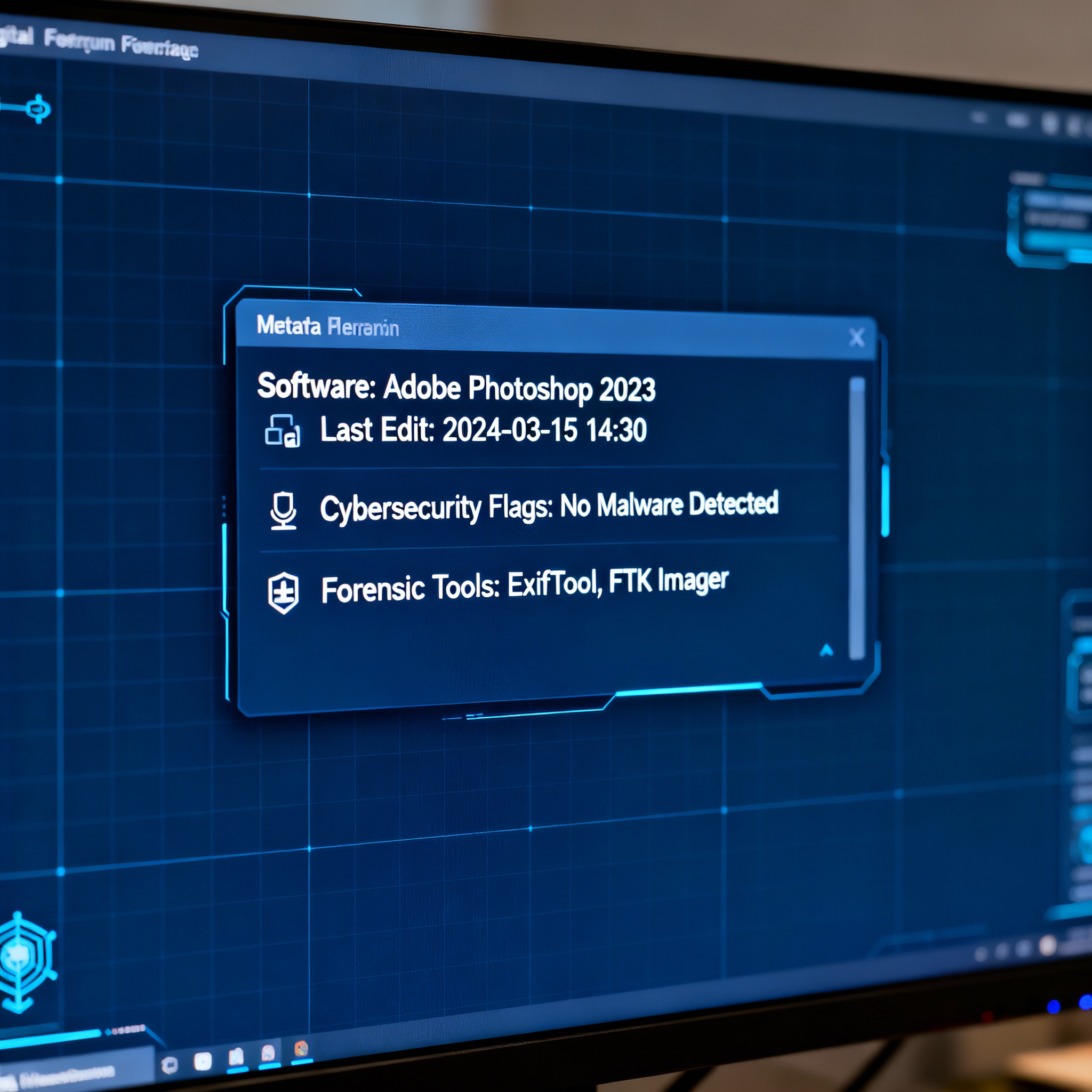
Finally, dig into where the photo came from and what its metadata says. A photo shared without any context — no photographer credit, no location tag, no backstory — is worth treating with skepticism. Checking the EXIF data can reveal which software or device was used to produce it. Many AI generation tools leave traces in this metadata, and some even add their own tags. Does the claimed camera model match the technical characteristics of the image? If a photo was supposedly taken with a smartphone but the EXIF data says it was processed by an image synthesis tool, that's a red flag worth following up on.
So, can a single method alone give you a definitive answer? Probably not. The most reliable approach combines all three — scrutinizing details, evaluating lighting, and verifying the source. You can visit aibudur.com for more free AI tools and get 50 free credits to try them out. For a step-by-step look at how AI images are created in the first place, check out Yapay Zeka ile Görsel Oluşturma: Adım Adım Kılavuz.