Top 2026 B2B AI Tools Every Business Needs

As we step into 2026, artificial intelligence (AI) tools in the B2B landscape have evolved from a mere experimental phase to an integral part of daily operations. Picture a SaaS company: while the sales team strives to anticipate which customers might churn, the finance team is bogged down with manual procurement calculations. AI seamlessly bridges these gaps, handling workloads across a myriad of areas, from data analysis and customer service to marketing and logistics.
This raises an important question: which tools truly deliver results, and which ones are just flashy demos? A close examination of the standout B2B AI tools for 2026 is a fantastic starting point to uncover the answer.
AI Tools for Customer Relationship Management (CRM)
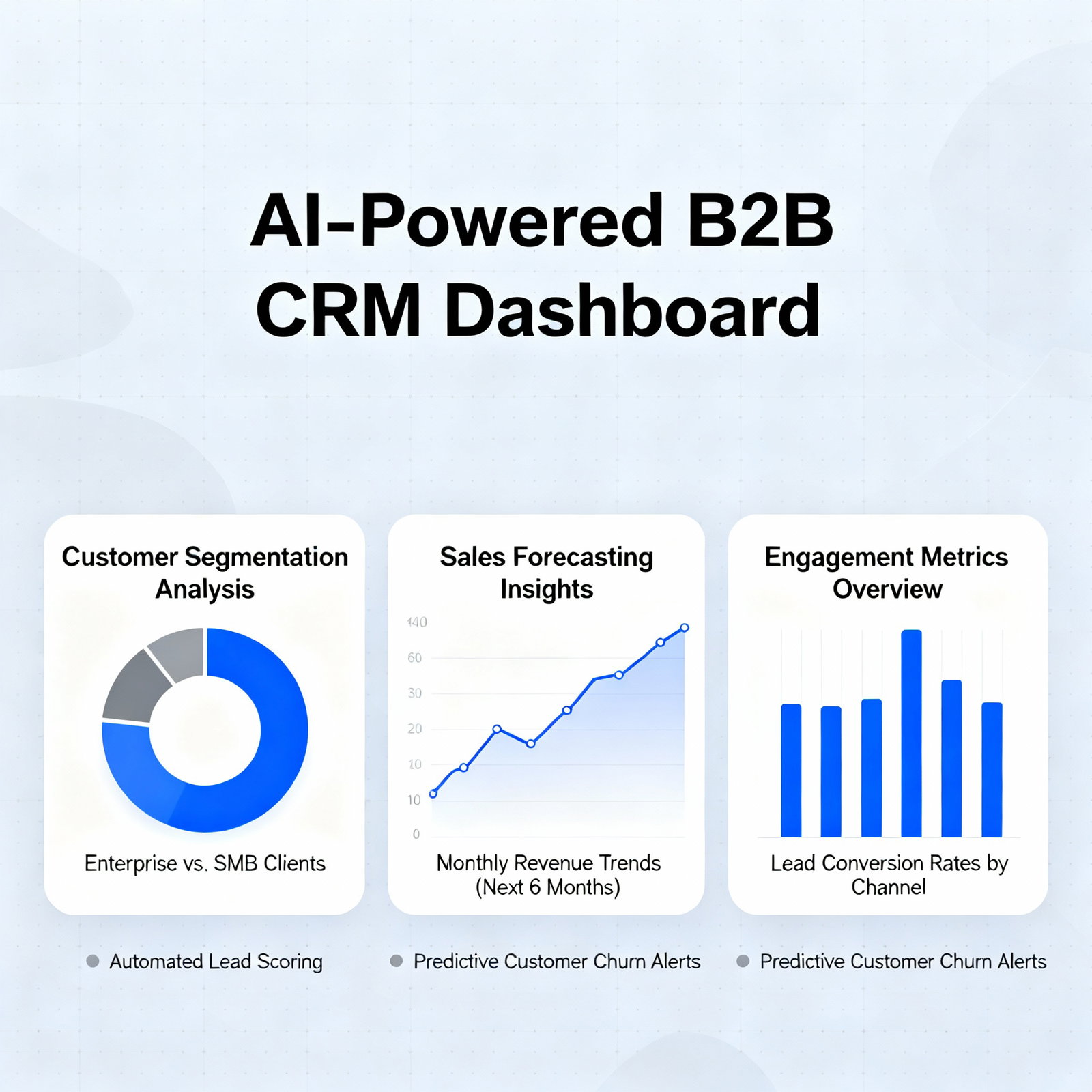
CRM serves as the backbone of B2B enterprises. AI-enhanced CRM tools analyze customer data to uncover vital insights for sales teams, pinpointing which potential customers should be prioritized, who has gone quiet since receiving a proposal, and who may be at risk during renewal. Without these tools, a sales representative managing 500 customer accounts in a B2B setting may only realize the signals they missed after losing the customer.
In 2026, chatbots utilizing natural language processing (NLP), automated email sequences, and predictive analytics platforms are taking center stage. These tools make a significant impact for businesses aiming to boost customer loyalty and proactively identify churn. For more insights, check out What is Customer Relationship Management (CRM) Automation with AI?
AI Tools for Marketing and Sales
AI-driven marketing tools analyze customer data to craft personalized advertising campaigns, provide content suggestions, and streamline marketing automation processes. Instead of sending out a generic message to a list of 10,000 recipients, businesses can now tailor subject lines and content for each segment with just a few clicks.
The sales side follows a similar trend. AI evaluates which leads are most likely to convert, aligns sales forecasts with historical data, and ensures teams maximize their efficiency. In 2026, content generation platforms, automated ad optimization tools, and sales analytics systems are at the forefront of this category. For a hands-on guide, be sure to check out Effective Content Generation Strategies with AI.

AI Tools for Supply Chain Management
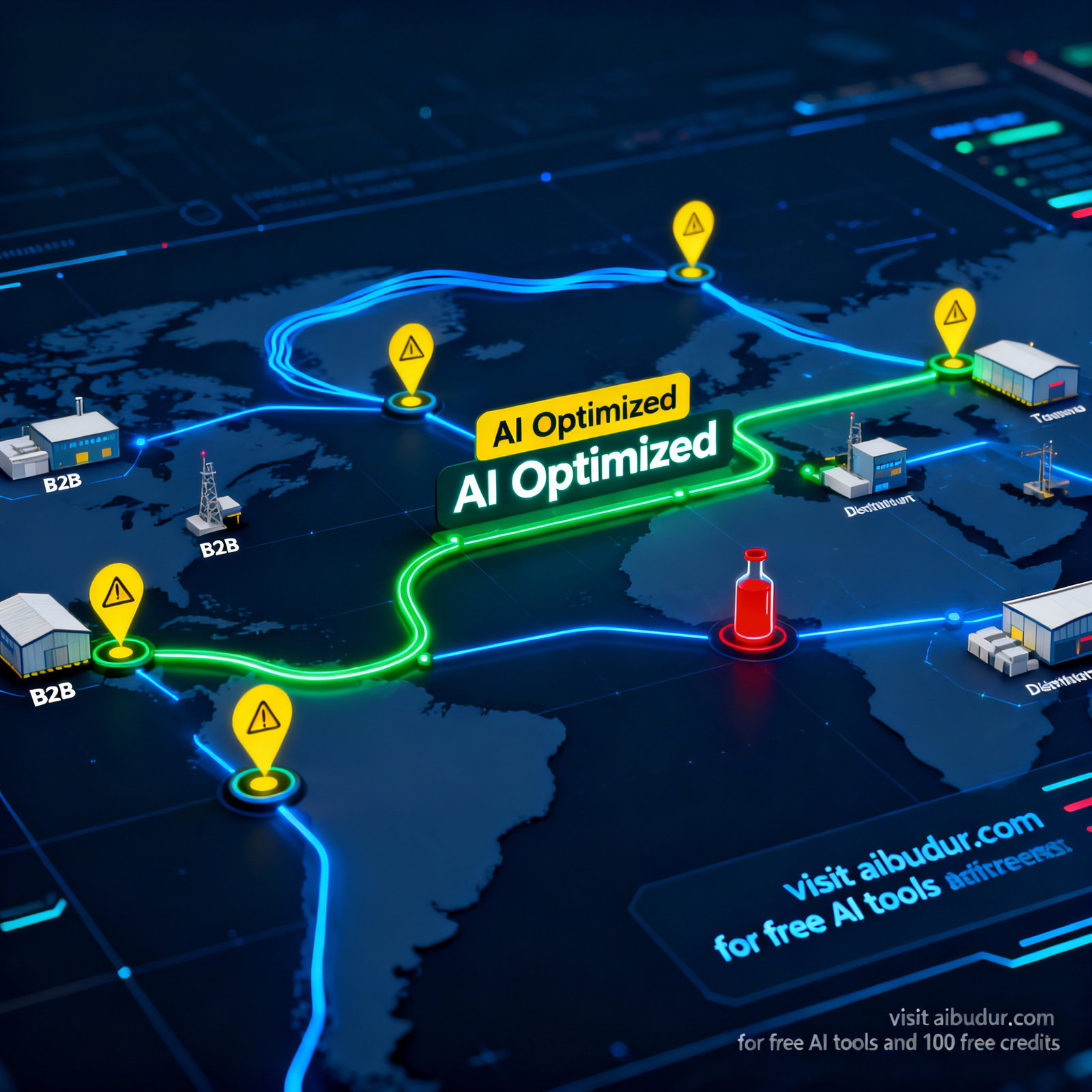
The supply chain ranks among the most intricate components of B2B operations. Think about a manufacturing firm: when raw material delays, excess warehouse inventory, and inaccurate demand forecasting occur simultaneously, the resulting costs can obliterate a quarter's profits. AI-powered supply chain tools are designed to address this challenge; they refresh demand forecasts with real-time data, fine-tune inventory levels, and enhance logistics efficiency.
Visit aibudur.com to explore a variety of AI tools for free and kickstart your journey with 50 credits. In 2026, demand forecasting platforms, automated inventory systems, and logistics optimization tools stand out as essential solutions for businesses looking to cut costs, reduce delivery times, and keep customers happy. These tools have transformed from optional to downright necessary.