Transaction Matching with AI Bank Reconciliation
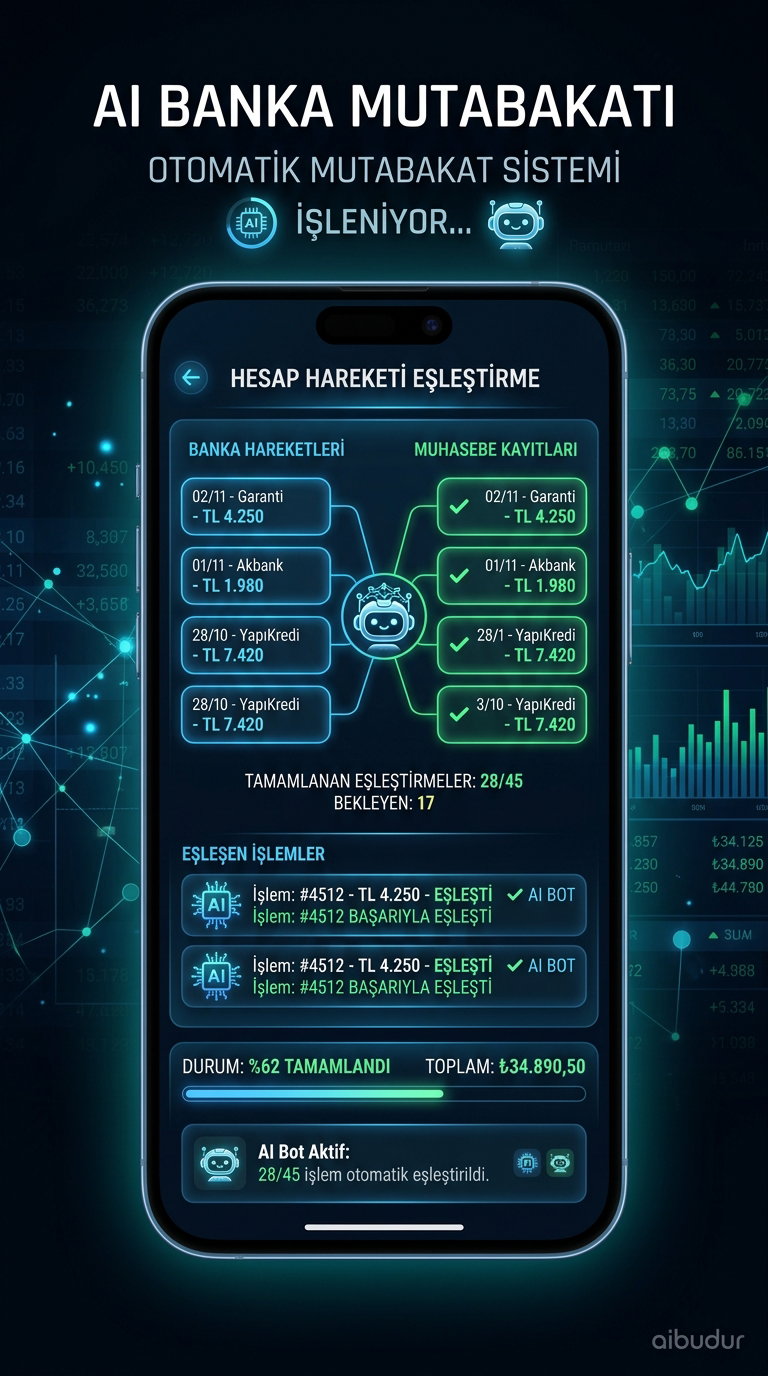
In financial management, AI Bank Reconciliation is an AI-powered process that automates the review between a company’s accounting records and bank statements. Picture this: in a mid-sized business processing 5,000 transactions a month, the finance team can spend days manually comparing every line item. The main goal of this technology is to reduce the burden on finance teams by cutting the manual Transaction Matching process—which can take hours or even days—down to just minutes.
AI analyzes complex transaction data to deliver speed and accuracy that go far beyond simple rule-based systems. If you’ve ever tried to manually match entries in a bank statement filled with "MISC" or shortened descriptions, you know how draining that can be. AI-powered systems can make sense of this ambiguous data by recognizing contextual patterns.
Why Traditional Reconciliation Falls Short
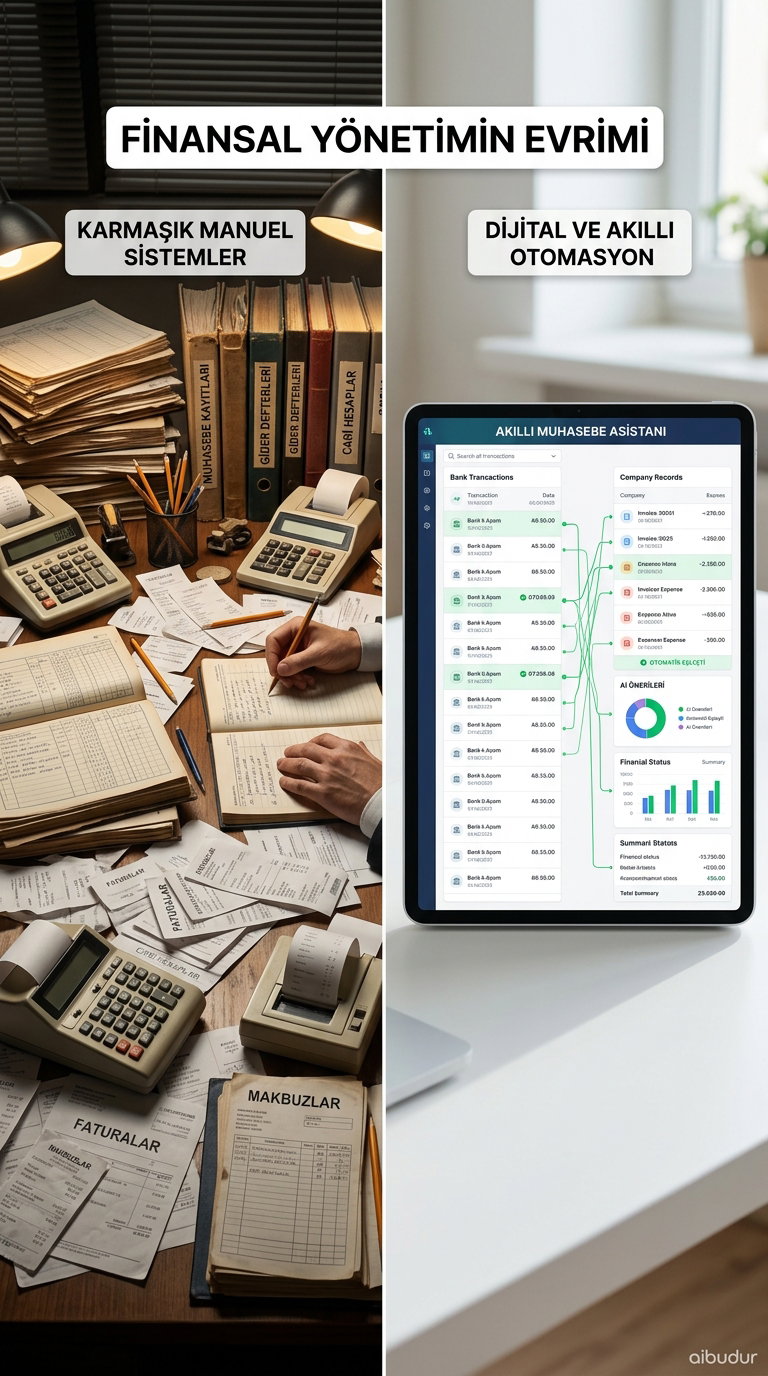
Traditional reconciliation requires each bank transaction to be matched individually against accounting records. For high-volume businesses, that approach is not only time-consuming but also highly prone to human error. When a digit is entered in the wrong column or a payment is recorded twice, it can take weeks to catch the mistake.
Transaction Matching automation digitizes this process by transferring data directly from banks into accounting or ERP systems. AI takes that automation a step further: it matches transactions with vague or missing descriptions using algorithms that learn over time and detect anomalies early. Even better, the system improves with every new data point; within six months, it can evolve into a workflow that requires far less manual intervention.
Big Wins in Time and Accuracy
So, does switching to this technology really make a difference? Research shows that AI Bank Reconciliation systems can reduce reconciliation time by more than 90%. Similar gains are seen in financial anomaly detection with AI; that kind of efficiency can be a lifesaver, especially for companies managing multiple bank accounts.
Thanks to machine learning models, the system gets smarter over time and can achieve accuracy rates of over 95%. That not only improves the reliability of financial reports, but also frees teams to focus on strategic analysis and decision-making instead of repetitive data entry. A finance professional spending time on interpretation rather than spreadsheets creates far more value for the business.
How Financial Operations Are Changing
AI-powered automation has a direct impact on efficiency and security in financial operations. The same technology stack also powers similar advances in the transformation of financial reporting processes with AI. Together, transaction matching and reporting create the foundation for a more complete digital transformation across finance teams.
In conclusion, AI Bank Reconciliation is no longer a tool reserved for large enterprises. Small and medium-sized businesses are also beginning to adopt these systems in ways that fit their budgets. You can explore these tools on the aibudur.com platform and start testing them right away with 50 free credits created especially for your first step.