Turkish AI Voice Cloning: The Best ElevenLabs Alternatives
As artificial intelligence continues to advance, Turkish AI voice cloning tools have become incredibly popular. One of the biggest names in the space, ElevenLabs, is known for its realistic, instant voice cloning features. These tools let users digitally replicate their own voice — or someone else’s — and appeal to everyone from content creators to enterprise teams.
Beyond ElevenLabs, there are plenty of alternatives built for different workflows and priorities. The right choice depends on the kind of project you’re working on, so it helps to define your needs first.
ElevenLabs Alternatives: Top Tools
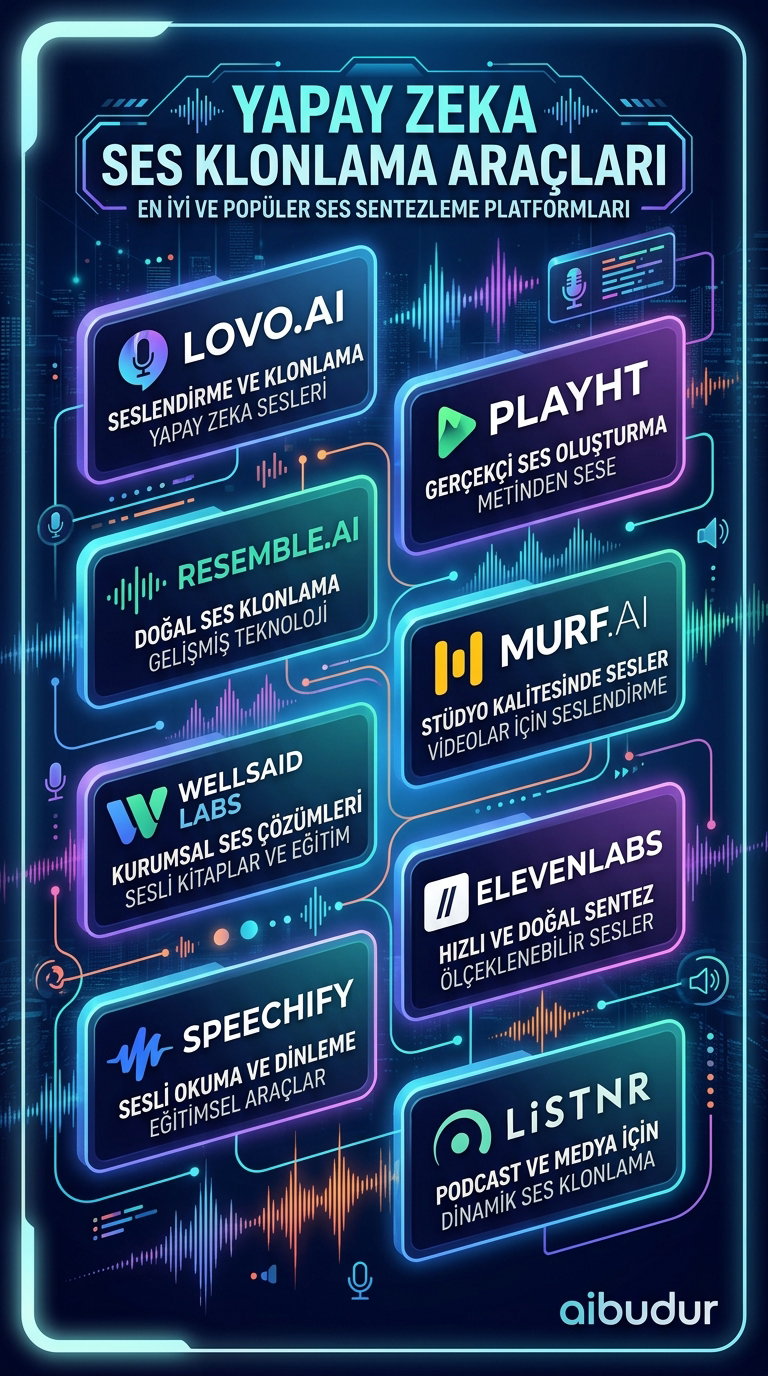
There are several standout ElevenLabs alternatives on the market. Lovo.ai is a strong choice for emotional, character-driven voiceovers, which makes it especially useful for animation and gaming. PlayHT, meanwhile, is popular for podcasts and long-form narration thanks to its advanced controls, including voice speed adjustment and manual pause editing.
Resemble.ai sets itself apart with enterprise-grade voice cloning and broad language support. For companies that need a consistent brand voice across large-scale projects, it offers a solid, scalable solution. Another thing these tools have in common is flexible pricing: a solo creator and a large production team have very different needs, and these platforms are designed with that in mind.
Why Turkish Language Support Matters So Much
When it comes to Turkish voice generation, not every tool performs equally well. ElevenLabs supports more than 70 languages and delivers impressively natural Turkish results; even long, complex sentences usually keep their prosody intact. That makes a real difference, especially in text-to-speech (TTS) workflows.
Among the alternatives, local tools like Voiser use models built specifically for Turkish. If you’ve run into misspelled words or awkward emphasis in foreign-based tools, these local options may give you more dependable results.
Open-source solutions such as Coqui TTS and Mozilla TTS open the door to a different kind of workflow for technically skilled developers. You can run the model on your own server and keep full control over your data. If you don’t want to send voice data to a third party, that kind of flexibility is a major advantage. And if you’re working on multilingual projects, it’s also worth checking out the basics of multilingual AI voice generation.

Before You Get Started
Finding AI-powered voice cloning tools in one place can save you a lot of time. aibudur.com gathers the latest AI tools so you don’t have to bounce from site to site to find what you need. Visit the platform to explore the tools and kick off your projects right away with 50 free credits.