Choosing the Right Speakers: Frequency Range and Key Specs
Choosing speakers for your home has a direct impact on how you experience music. To find the right pair, start by defining your needs. What genres do you listen to, and which room will the speakers be used in? The answers to those two questions will quickly narrow your options.
Technical specifications matter too. Factors such as frequency range, power (wattage), and impedance directly affect sound quality. A speaker that covers the 20 Hz–20,000 Hz range delivers balanced bass and treble; models outside this range may leave noticeable gaps at certain frequencies. The most expensive speaker is not always the best choice—the right one is the one that best fits your needs. With the right setup, you can bring a concert-hall feel into your own home.
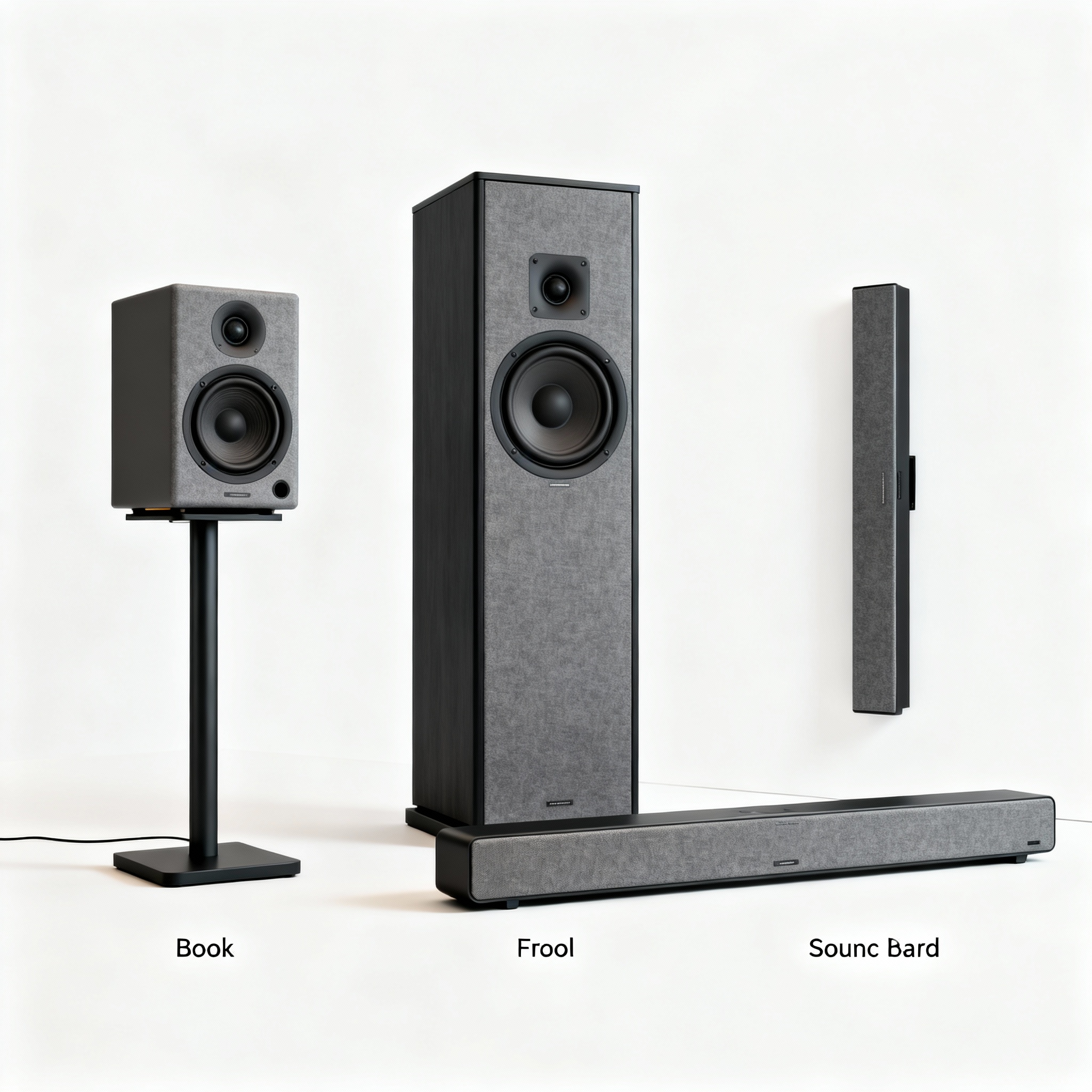
Another important factor when choosing speakers is the type. Bookshelf speakers are ideal for rooms measuring 12–15 square meters and are generally more affordable. Floor-standing speakers, on the other hand, deliver a much fuller and more powerful sound in living rooms larger than 25 square meters.
Soundbars are a practical way to upgrade weak built-in TV speakers, making a real difference—especially if you watch a lot of shows and movies. If you want a wireless option, Bluetooth speakers also do the job, pairing with your phone or tablet in seconds. If you’d like to explore speaker types and use cases in a broader context, you can also check out our Voiceover & Audio content.
- Bookshelf speakers: Ideal for small rooms
- Floor-standing speakers: More powerful sound for large rooms
- Soundbars: Audio boosters for televisions
- Bluetooth speakers: Wireless music enjoyment
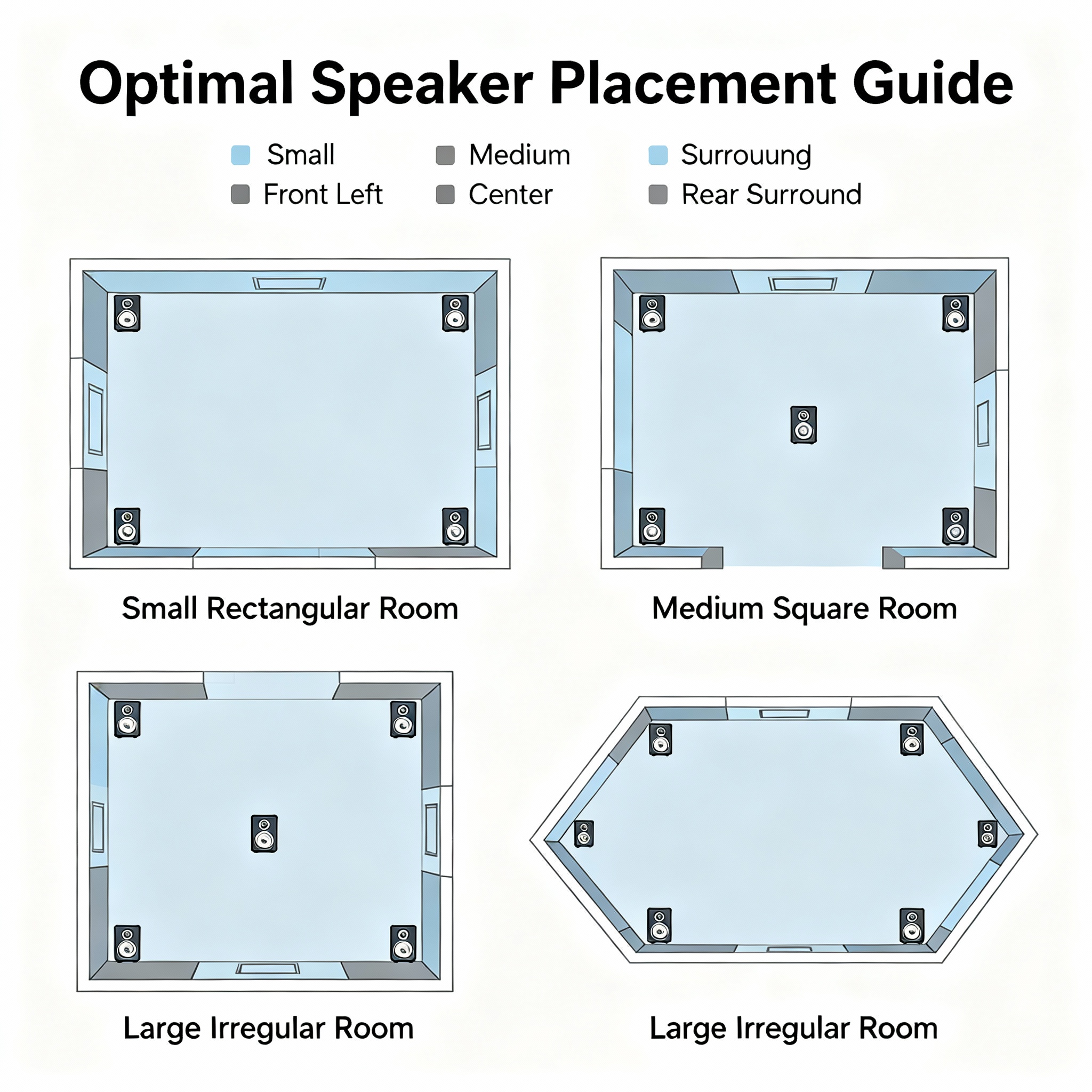
The room where the speakers will be placed also has a major influence on your choice. If you force a large floor-standing speaker into a small room, the sound can feel muddy and overpowering. On the other hand, a small bookshelf speaker will struggle to fill a large living room with enough volume.
Room acoustics should also be taken into account. Hard floors, bare walls, and high ceilings reflect sound, and that echo can seriously reduce music clarity. Adding a rug, thick curtains, or acoustic panels can make a big difference. Placing speakers slightly away from walls and corners also helps balance the sound. After all, what’s the point of obsessing over technical specs if you don’t place your speakers in the right spot?
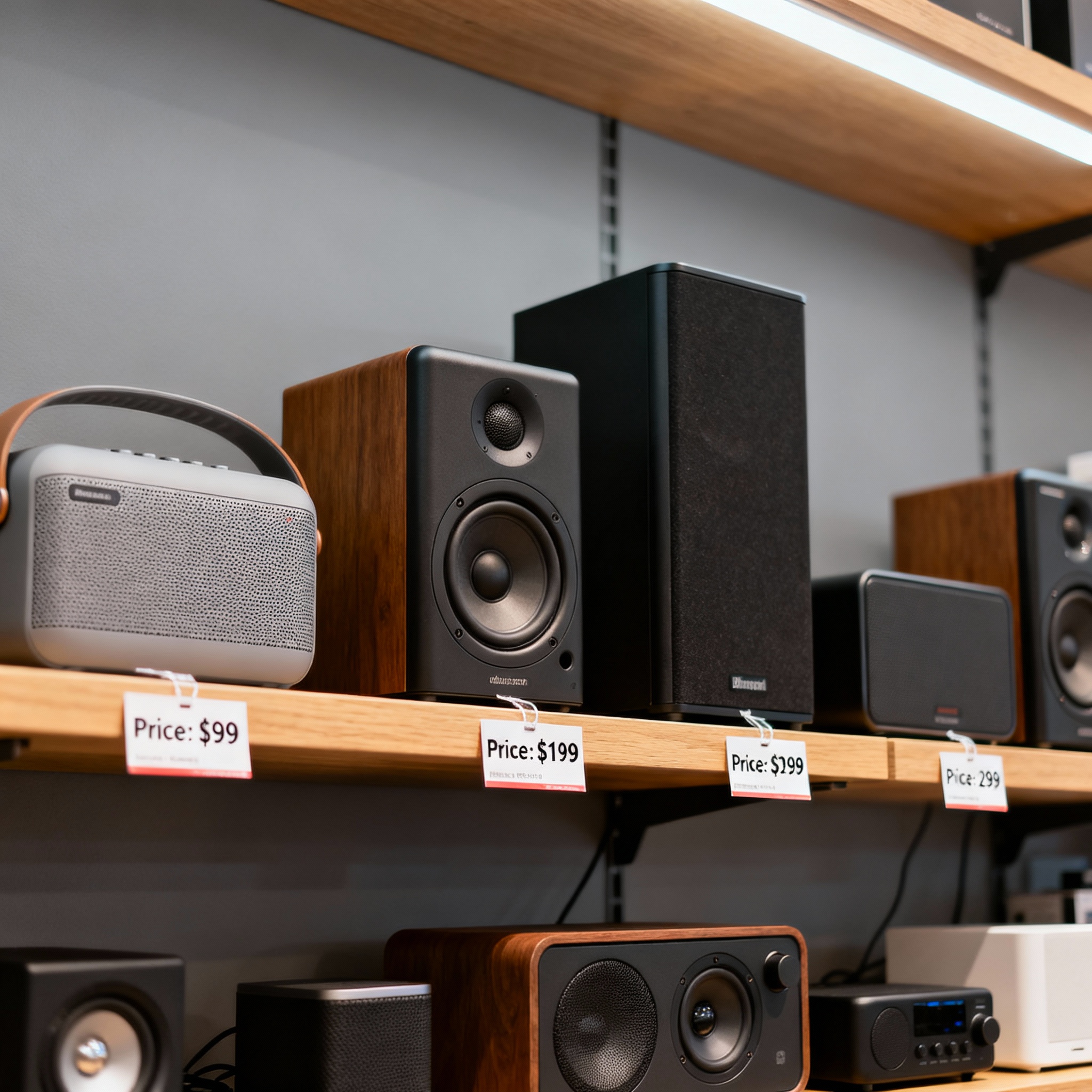
Finally, there’s the budget. Speaker prices range from a few hundred dollars to tens of thousands. Once you’ve defined your needs, you can narrow that wide range to a realistic budget. Comparing brands and models side by side to judge price-to-performance value will make the decision much easier.
User reviews are especially useful here; feedback from people with similar room sizes and music tastes can give you a much clearer picture. If possible, getting advice from an audio expert is a step worth taking. Choosing the right speaker is a long-term investment. To better understand the basics of audio technologies, you may also find the article What is Text-to-Speech Technology? useful.