Penetration Testing Web Applications with Kali Linux

Penetration testing is a permitted cyberattack simulation used to assess how secure an information system really is. Think of it this way: a bank hires someone to try to break into its own vault so weaknesses can be found before a real attacker does. Kali Linux is a Linux distribution built specifically for this job, with hundreds of tools for security auditing.
The first step is to create a secure lab environment for testing. Working in a controlled setup before touching a live system is essential from both a legal and technical perspective. Next comes the reconnaissance and profiling phase, where information about the target web server and its applications is collected. This stage is crucial for understanding the attack surface and spotting weak points.
Vulnerability Analysis: Understanding the System
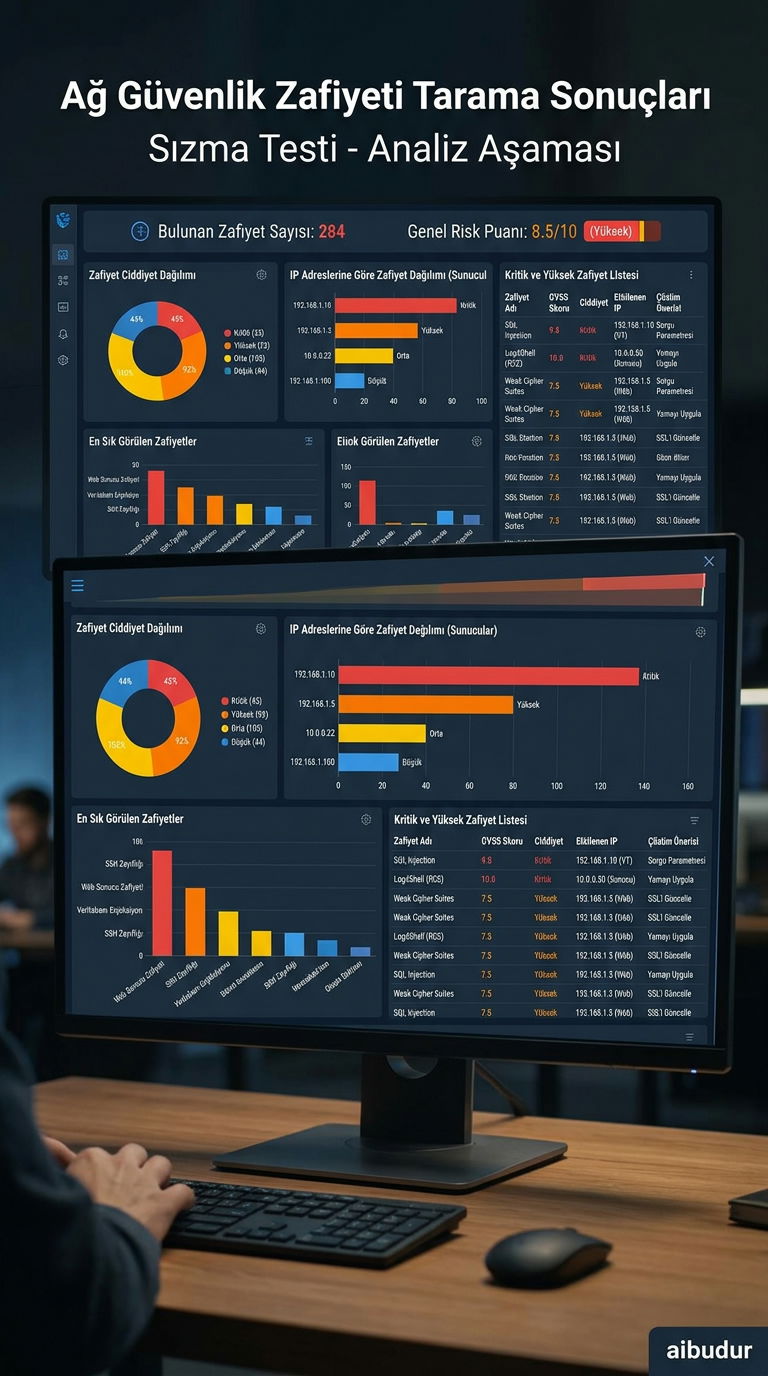
After reconnaissance comes vulnerability analysis, where the goal is to actively identify weaknesses in the system. During this stage, common flaws in web servers and applications are scanned for. Tools included in Kali Linux, such as Nmap for network mapping and comprehensive scanners like OpenVAS, are often used here.
Automated scans can uncover a wide range of risks, from server configuration mistakes to outdated software. These results create a clear roadmap for the next step: exploitation. But who is going to make sense of the thousands of lines of data these scans produce? That is exactly where experience and choosing the right tools make all the difference.
Exploitation Phase: Server-Side and Client-Side Attacks
Once vulnerabilities have been identified, the process moves into the exploitation phase. There are two main approaches here: server-side attacks and client-side attacks. Server-side attacks include techniques like SQL injection, which target the server directly. Client-side attacks, on the other hand, rely on methods such as Cross-Site Scripting (XSS) to target users.
Exploitation frameworks like Metasploit provide ready-made modules for taking advantage of these vulnerabilities. The tester configures the relevant module for the target and attempts to gain access to the system. For example, in a real-world case, reaching a database through SQL injection via a misconfigured login form can take only a few minutes. That is a powerful reminder of why organizations need regular penetration testing. If you're curious about how similar strategies play out in the business world, you can also read our article on how artificial intelligence is changing competition for businesses.

Reporting: Turning Findings Into Action
One of the most important parts of a penetration test is documenting every finding clearly and thoroughly. The report should include the vulnerabilities discovered, the risk level of each one, and practical recommendations for closing the gaps. It is not unusual for a single vulnerability marked "high risk" to completely reshape an organization's security priorities.
Cybersecurity is constantly evolving. To speed up analysis and automation, AI-powered tools are becoming increasingly common among testers. If you want to try these kinds of technologies, you can visit the aibudur.com platform; by registering, you can test various AI tools with 50 free credits.