What Is Text-to-Speech (TTS) Technology?
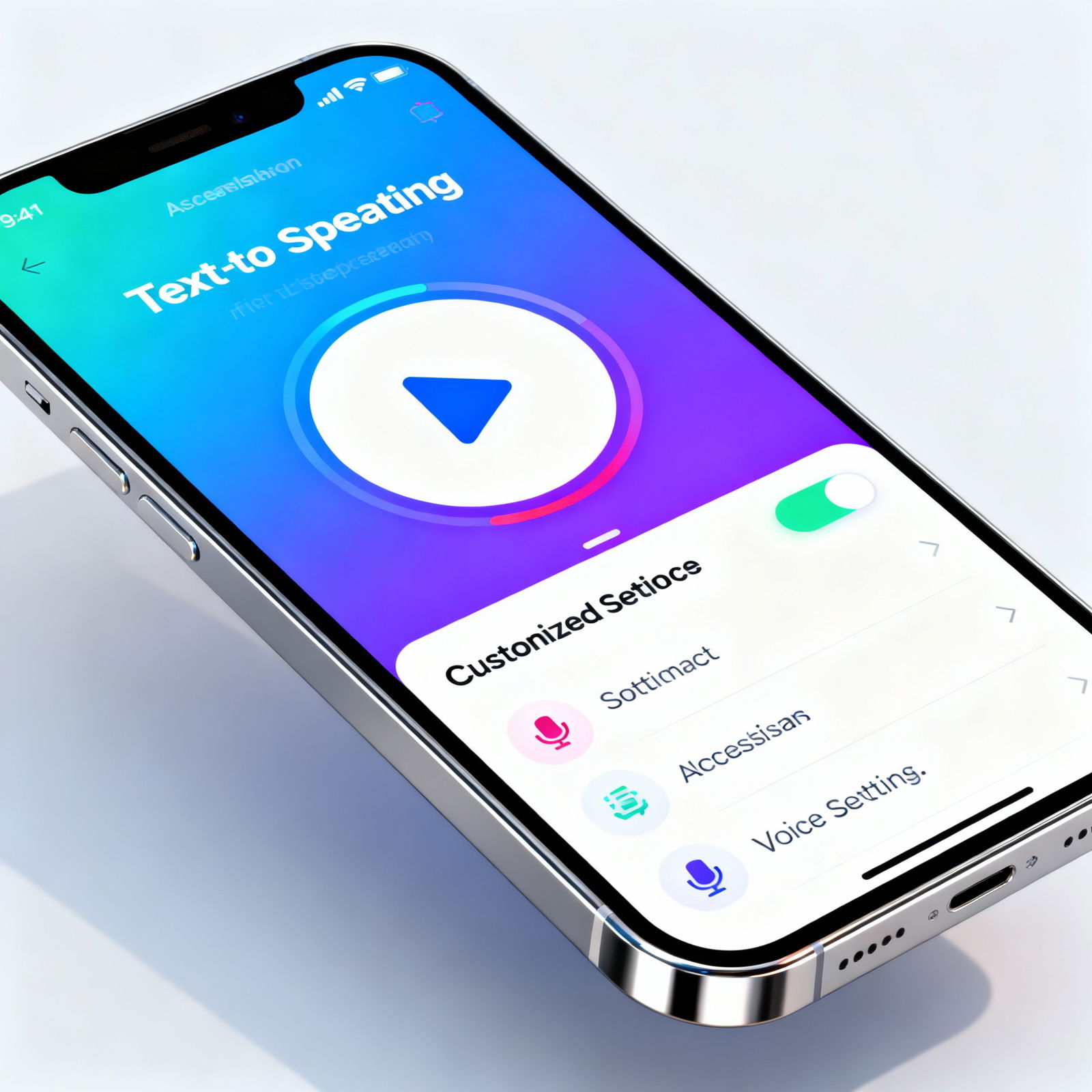
Text-to-speech (TTS) technology is an artificial intelligence application that turns written text into a natural-sounding human voice. Available on devices like computers, smartphones, and tablets, these systems analyze text and convert it into speech using phonetic rules. Today’s advanced TTS engines can even capture different accents, intonation, and subtle emotional nuances, making it feel like you’re listening to a real narrator.
So, is this technology only for tech enthusiasts? Not at all. Whether it’s a student with reading difficulties studying lecture notes by ear or a visually impaired user catching up on morning headlines, these are some of the clearest real-world examples of TTS in action. It’s also incredibly useful for language learning; for example, it becomes much easier to master pronunciation when you can read and listen to a text at the same time.
Key Features of Text-to-Speech Technology
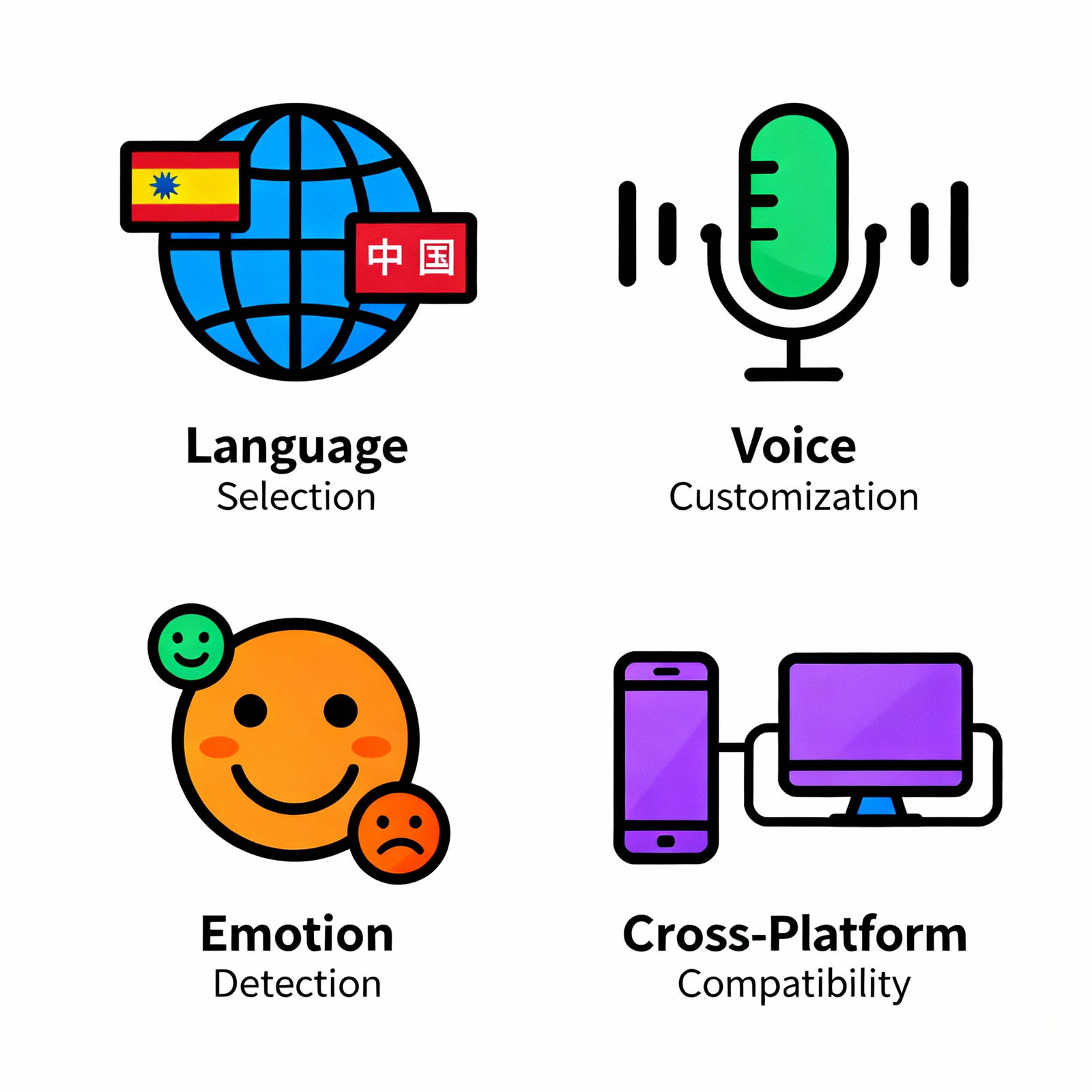
Supporting dozens of languages, including Turkish, TTS systems give users control over tone of voice, speech rate, and accent. You can listen to text in male or female voices, slow it down or speed it up, and find the ideal combination for your project. Integration with text editing tools has also become standard; in many cases, you can instantly convert content to speech with nothing more than a simple copy-and-paste.
More advanced systems can also detect the emotional tone of the text. A news article can be read in a calm, neutral voice, while a story can be narrated with warmth and fluidity. While that difference may seem minor from an accessibility standpoint, it can completely change the listening experience. For a broader perspective on the subject, you can also check out our article What are Voice Assistants?.
Use Cases for Text-to-Speech Technology
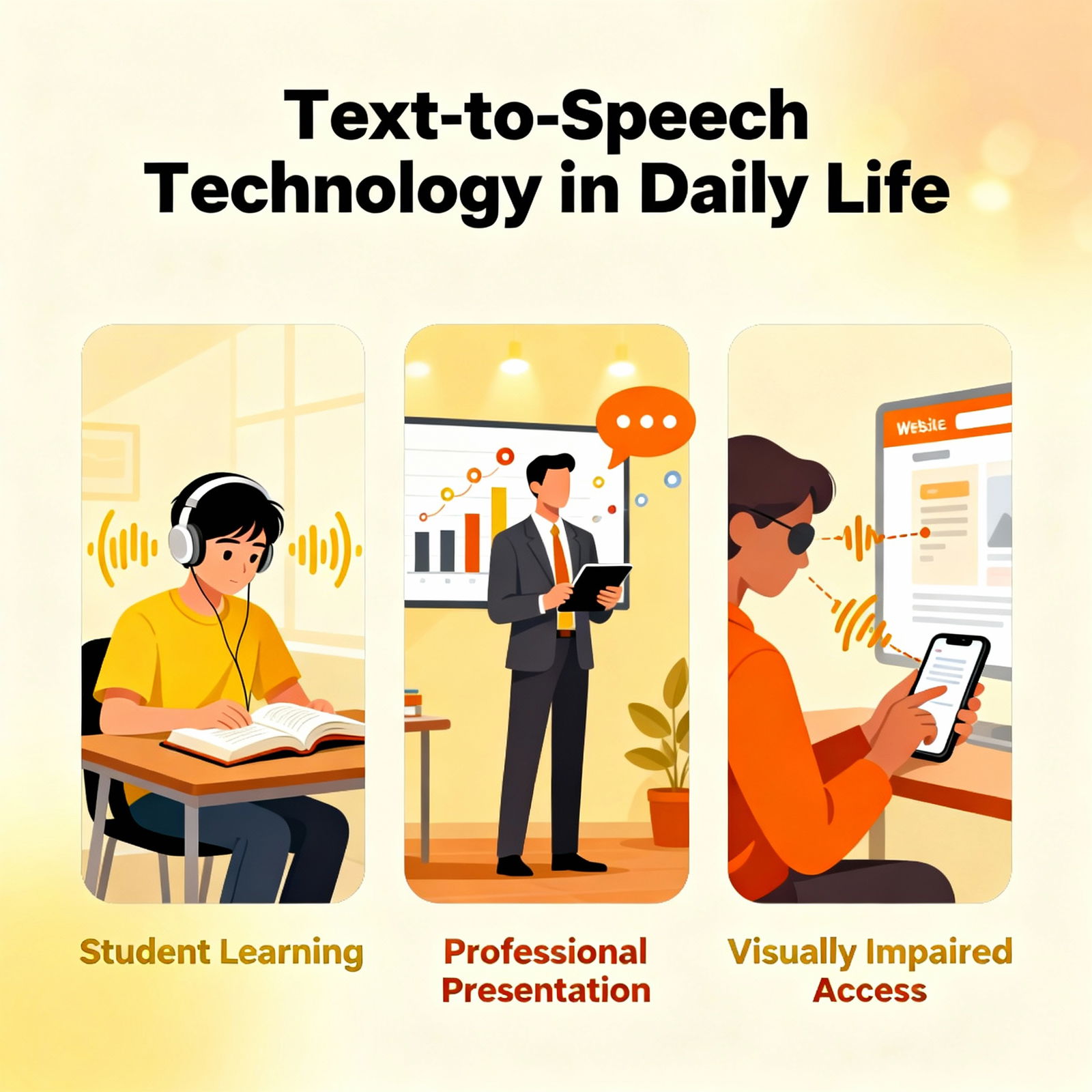
The possibilities go far beyond what you might expect. In education, students can study by listening to course materials through headphones. In business, weekly reports and client presentations can be turned into audio in seconds with TTS. In publishing, converting an e-book into an audiobook no longer requires a recording studio.
Voice guidance in navigation apps, reading incoming messages while driving, and responding to commands in smart home devices—all of these rely on TTS behind the scenes. For visually impaired individuals, this technology can become the primary way to access websites, emails, and digital documents. If you want to compare current tools, you can review the post TTS Technology and Turkish Voice Assistant Tools.
Experience Text-to-Speech (TTS) with aibudur.com
If you want to try TTS technology for a project or find the voice that best fits your needs, aibudur.com is a great place to start. The platform gives you access to multiple free AI tools. When you sign up, you can earn 50 free credits to test different voices and languages. With its user-friendly interface, you can explore TTS solutions without any technical background. Visit aibudur.com now and start turning your content into audio.