Unlocking Turkish Voice Generation with Text-to-Speech

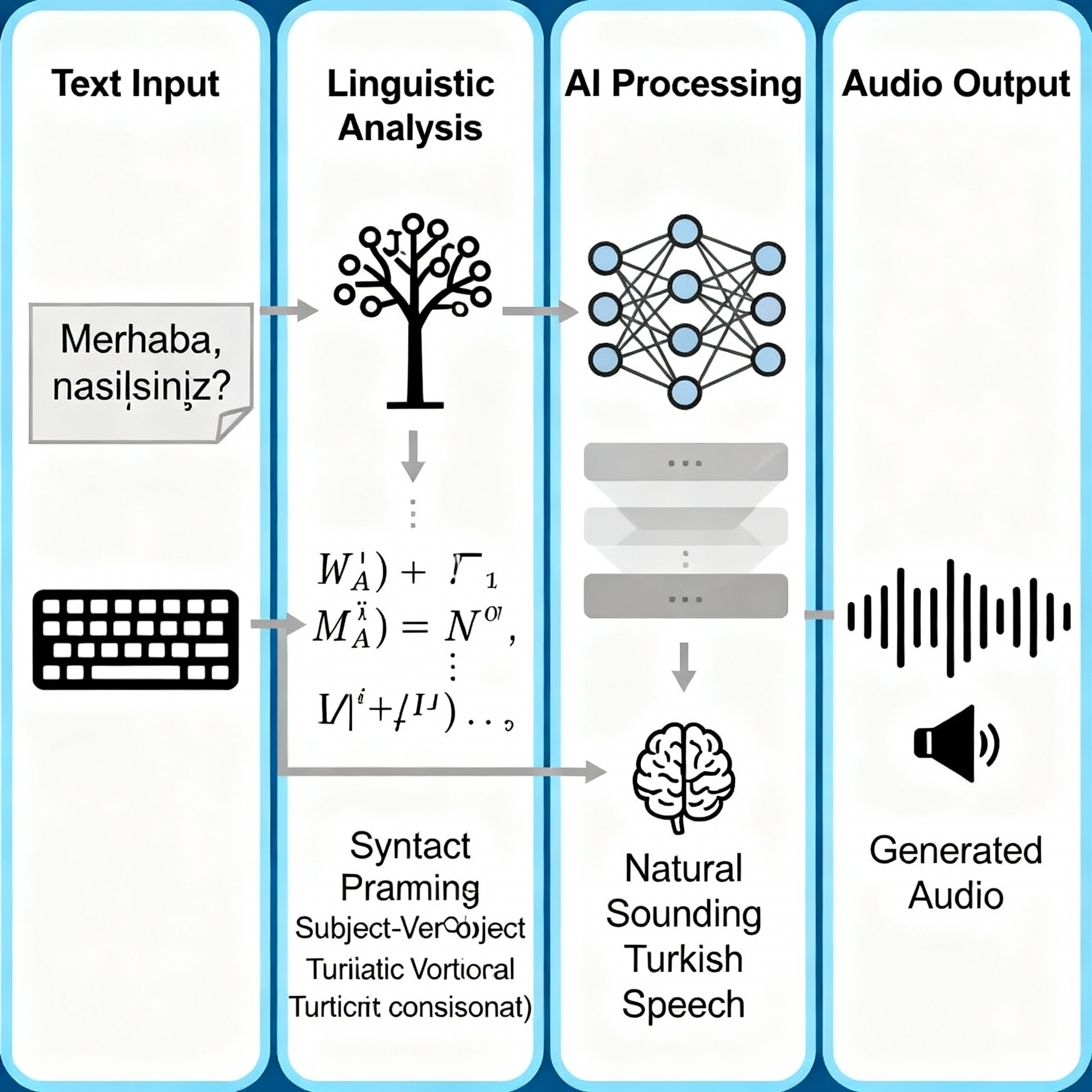
Text-to-speech (TTS) technology transforms written text into natural-sounding speech. With support for a multitude of languages, including Turkish, these systems utilize sophisticated algorithms and artificial intelligence to deliver voiceovers that feature accurate pronunciation, intonation, and emphasis. So, how does a system convert the word "merhaba" into a genuine human voice rather than a robotic monotone?
Today, a diverse range of people—from those facing reading challenges to podcast creators—are reaping the benefits of this technology. Thanks to rapidly evolving models, the voices generated are now nearly indistinguishable from those of professional voice actors, greatly enhancing the user experience.
The journey of converting Turkish text into speech starts with parsing the text according to grammatical and phonetic rules. Turkish poses unique challenges for TTS systems, due to factors like vowel harmony and agglutination. It’s not just about spelling a word correctly; the emphasis shifts as the context changes.
There are numerous TTS engines on the market. Some can swiftly process and deliver 10,000 words per minute, while others operate at a slower pace but produce audio nearly of studio quality. Users can select the engine that best suits their needs—whether it's voicing newspaper articles, converting children’s books into audio, or transforming weekly corporate newsletters into podcasts. To gain a better understanding of the fundamentals, check out our article What is Text-to-Speech?.
The applications of this technology are broader than you might think. In education, students can absorb course notes by listening; finishing a 20-page summary while exiting the metro in the morning is now a possibility. Individuals with visual impairments or dyslexia can access written information via audio. Automated greeting systems in corporate call centers can respond with a much warmer tone, moving away from the cold, mechanical voices that often disappoint customers.
Language learning also benefits greatly from this technology. Instead of relying solely on a native speaker’s pronunciation, learners can repeatedly practice a word using a TTS system. Content creators are relieved from needing to rent a studio for producing audiobooks or podcasts. For practical insights on application strategies, our article Text-to-Speech Methods and Best Practices will be invaluable.

To bring your Turkish TTS projects to life, head over to aibudur.com. As a member, you'll gain access to a plethora of AI tools, along with 50 free credits to kickstart your journey. Whether you're looking to create audiobooks, develop educational materials, or enhance your customer service system, you’ll find the resources you need right here.