Unlocking the Power of Text-to-Speech (TTS)

Text-to-Speech (TTS) is a groundbreaking accessibility technology that transforms written text into lifelike speech. This innovation empowers computers, smartphones, and various devices to vocalize text, making information more accessible than ever. TTS harnesses advanced algorithms and artificial intelligence to interpret text and generate a voice that sounds remarkably natural.
For individuals facing reading challenges, those with visual impairments, or anyone who prefers auditory information, this technology significantly enhances their ability to engage with content. Text-to-speech technology streamlines tasks across diverse fields, from education to entertainment and from business operations to everyday activities.
How Does Text-to-Speech Work?
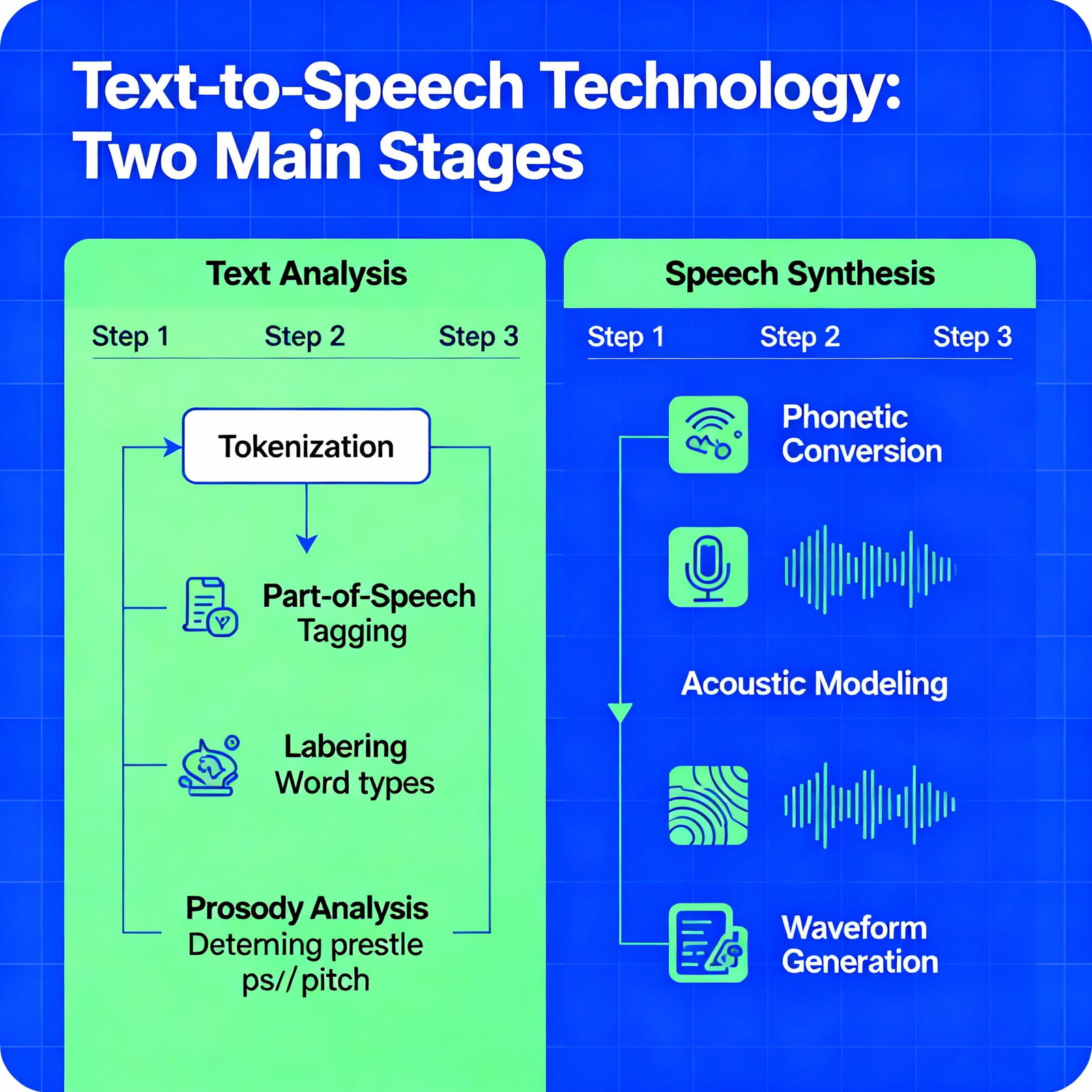
Text-to-speech technology operates in two key phases: text analysis and speech synthesis. During the text analysis phase, the software examines the written content for grammatical and semantic insights; this includes determining pronunciations, sentence structure, and overall context.
Next, in the speech synthesis phase, the insights obtained are utilized to create audio that sounds conversational. Utilizing diverse voice modulations, rhythms, and accents, cutting-edge TTS systems can even convey emotional nuances that adapt based on context, thanks to deep learning techniques. But how close are these synthetic voices to actual humans? While past iterations were easily distinguishable, today's advancements are making it increasingly challenging to tell the difference.
What Are the Benefits of Text-to-Speech?
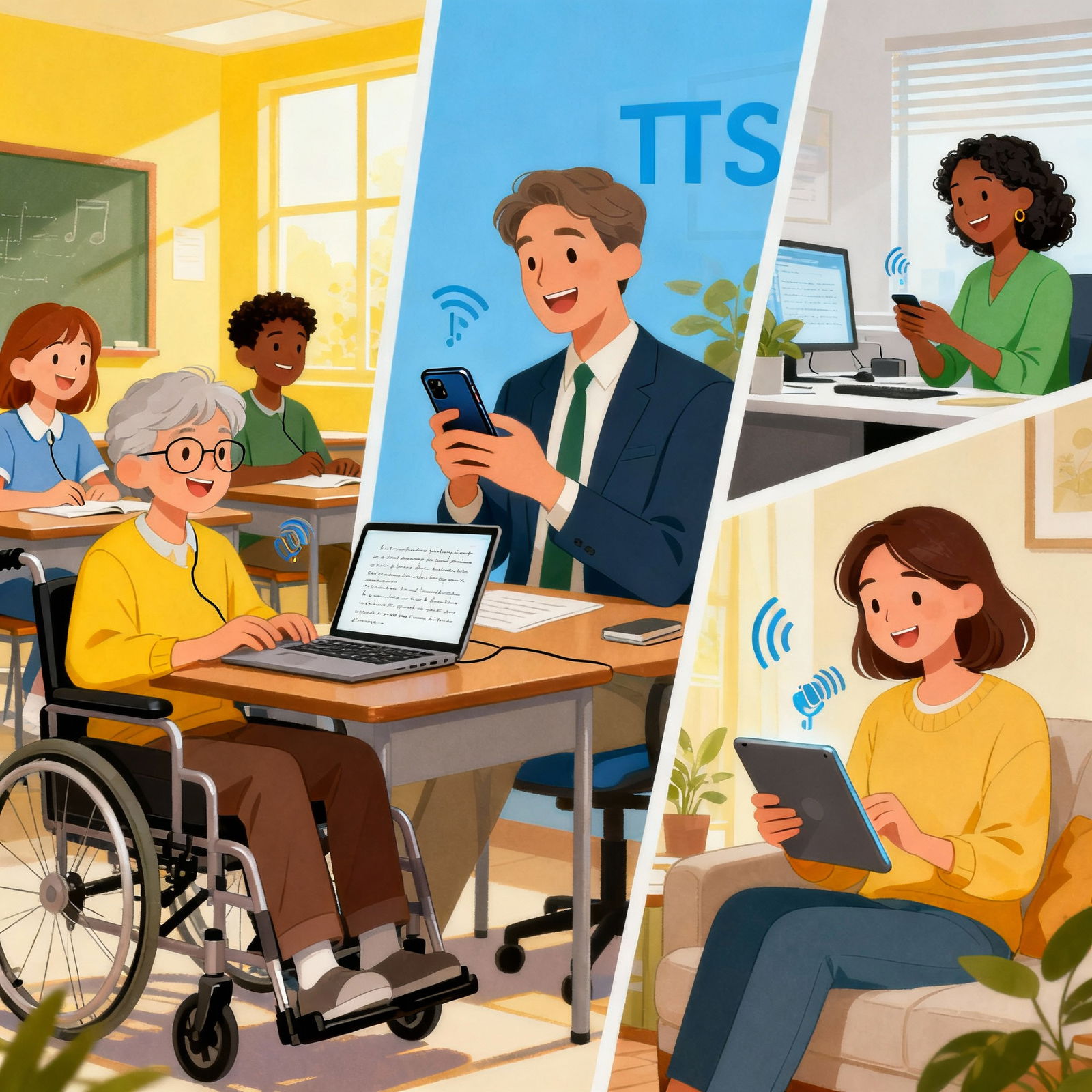
Imagine a visually impaired user: they can listen to news updates, work emails, and lecture notes each morning. TTS technology turns this vision into reality; it enables independent access to written resources for everyone.
Additionally, it proves invaluable in the language learning journey. Hearing a new word pronounced accurately by a native speaker is far more impactful than studying its phonetic spelling in a dictionary. For someone learning Spanish, repeatedly listening to the correct pronunciation of the word "llevar" offers lasting results compared to mere memorization.
In the business landscape, the advantages are equally evident. A professional on the go can simply plug in their headphones and listen to lengthy reports rather than read them while heading to meetings. While visually digesting a 20-page document might take around 30 minutes, auditory consumption can nearly halve that time.
Text-to-Speech Experience with aibudur.com
If you're eager to experience this technology for yourself, aibudur.com is the perfect starting point. By signing up, you gain free access to a range of AI tools and earn 50 credits to explore various TTS applications side by side, helping you find the one that meets your needs best.
TTS technology extends beyond accessibility; it also accelerates content production. Whether you're creating podcast voiceovers with AI or generating a voiceover for a video, you can achieve remarkable results in just minutes, eliminating the hassle of studio rentals or scouring for voice actors. Discover this transformative technology at aibudur.com and revolutionize your content creation process.