Unlocking the Power of Text-to-Speech: Methods & Best Practices

Text-to-Speech (TTS) is a cutting-edge technology that transforms written text into lifelike speech. This innovation finds applications across various domains—including accessibility, education, entertainment, and customer service. TTS systems utilize sophisticated algorithms and AI techniques to analyze and vocalize words, delivering speech with appropriate tone, emphasis, and pronunciation.
For individuals facing visual impairments or reading challenges, this technology opens doors to critical information. Moreover, TTS enhances daily life by allowing users to listen to navigation instructions while driving or to follow articles while exercising.
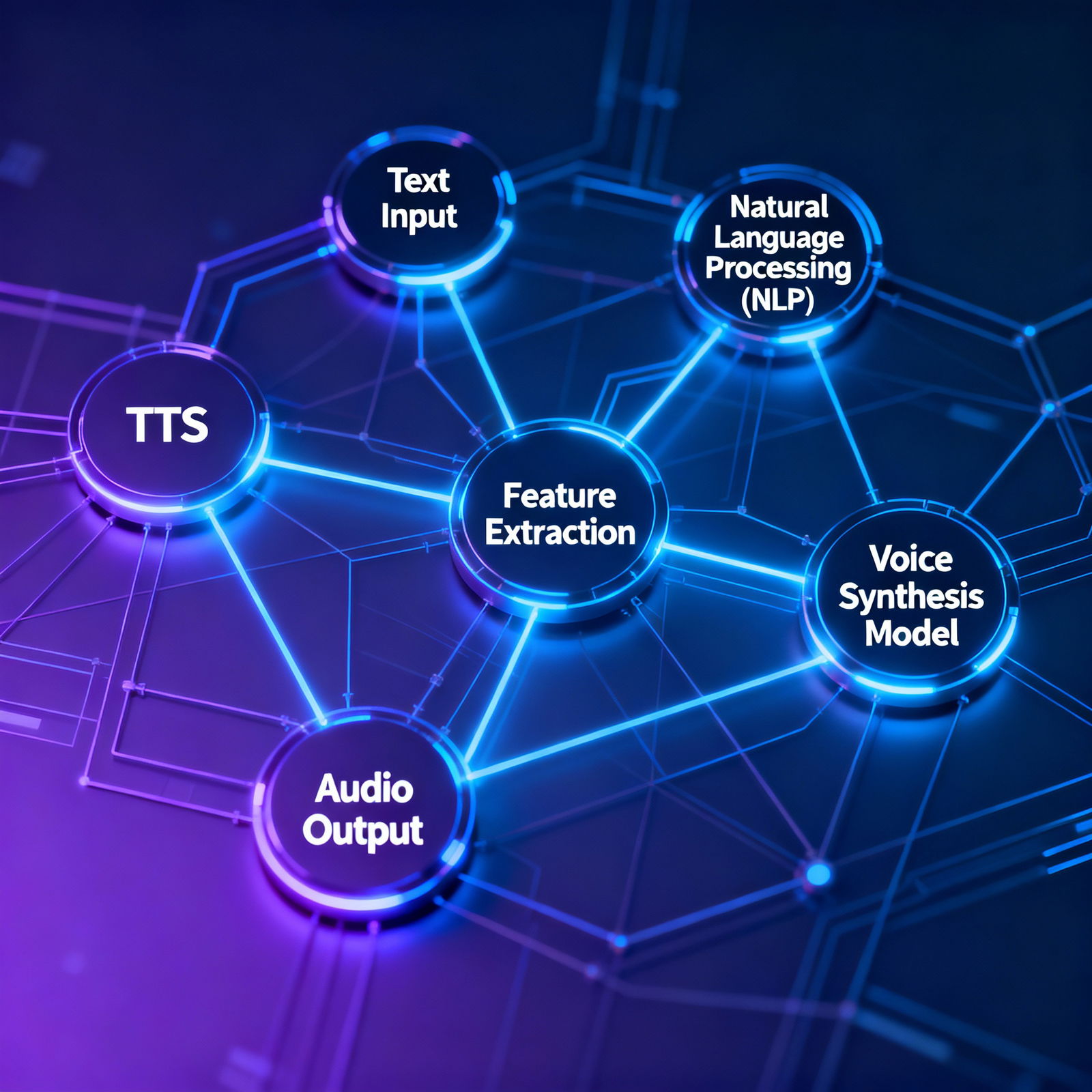
At the heart of text-to-speech technology are three distinct methods. The first, concatenative TTS, vocalizes text by piecing together small units of pre-recorded human voices, known as phonemes. Next is parametric TTS, which generates speech using a mathematical model of the human voice.
Recently, AI-driven TTS methods have taken center stage. Thanks to deep learning algorithms, these systems are capable of mimicking various accents and even conveying specific emotional tones. Curious how to gauge if a system can deliver a "natural" voice? A straightforward test is to listen for the correct intonation at the end of sentences. To dive deeper into the fundamentals, check out our content on What is Text-to-Speech?.
When selecting a TTS system, prioritize language support and voice quality. In agglutinative languages like Turkish, a system that struggles with syllable structure can quickly lead to user frustration. Mispronunciations or shifts in meaning can severely hinder understanding; for instance, the distinction between "kâr" (profit) and "kar" (snow) can create significant confusion if not addressed properly.
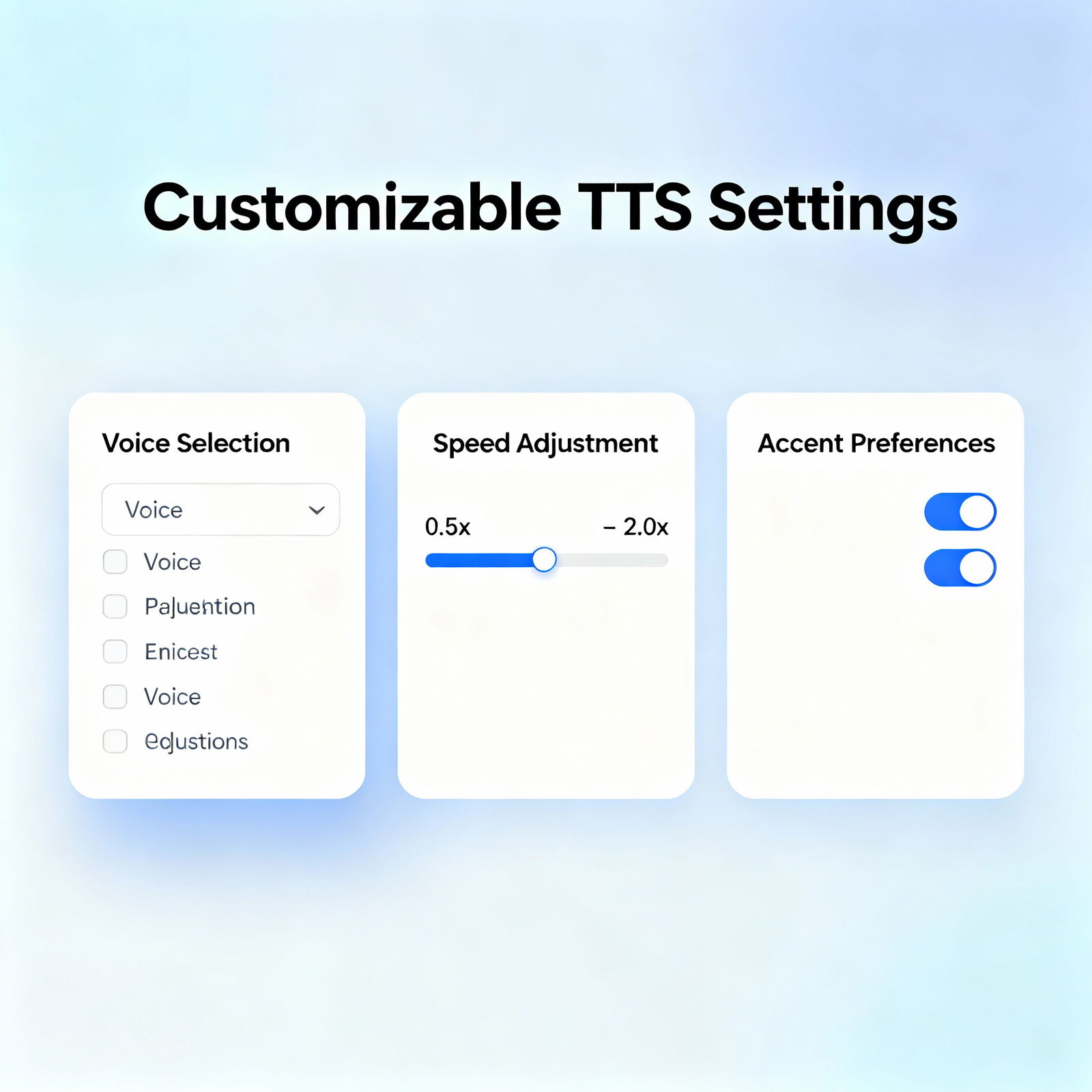
System speed is another critical factor. If a user submits text and waits 10 seconds for a response, the experience suffers. Conversely, effective TTS tools allow users to adjust parameters like tone, reading speed, and emphasis; this flexibility is invaluable, particularly in educational content and podcast production.
If you're eager to explore various TTS solutions, visit aibudur.com for access to free AI tools and test different systems with 50 complimentary credits. This hands-on approach lets you discover which tool best enhances accessibility on your website, enriches your educational materials with voice, or automates your customer service.
The right TTS solution propels your content to a much broader audience. For a more in-depth technical perspective, don’t miss the article What is Text-to-Speech Technology?.