Emotion-Recognizing AI in Customer Service

Improving customer service quality has become a top priority for brands in today’s fiercely competitive market. One bad experience can now be shared with an entire network in seconds. Under that kind of pressure, AI systems powered by emotion recognition technology are transforming the way customers and agents interact.
These systems analyze text or voice data in real time to detect a customer’s current mood — are they happy, sad, or angry? Once that emotion is identified, the business can respond with empathy and take a more proactive approach.
How Does Emotion Recognition Technology Work Behind the Scenes?
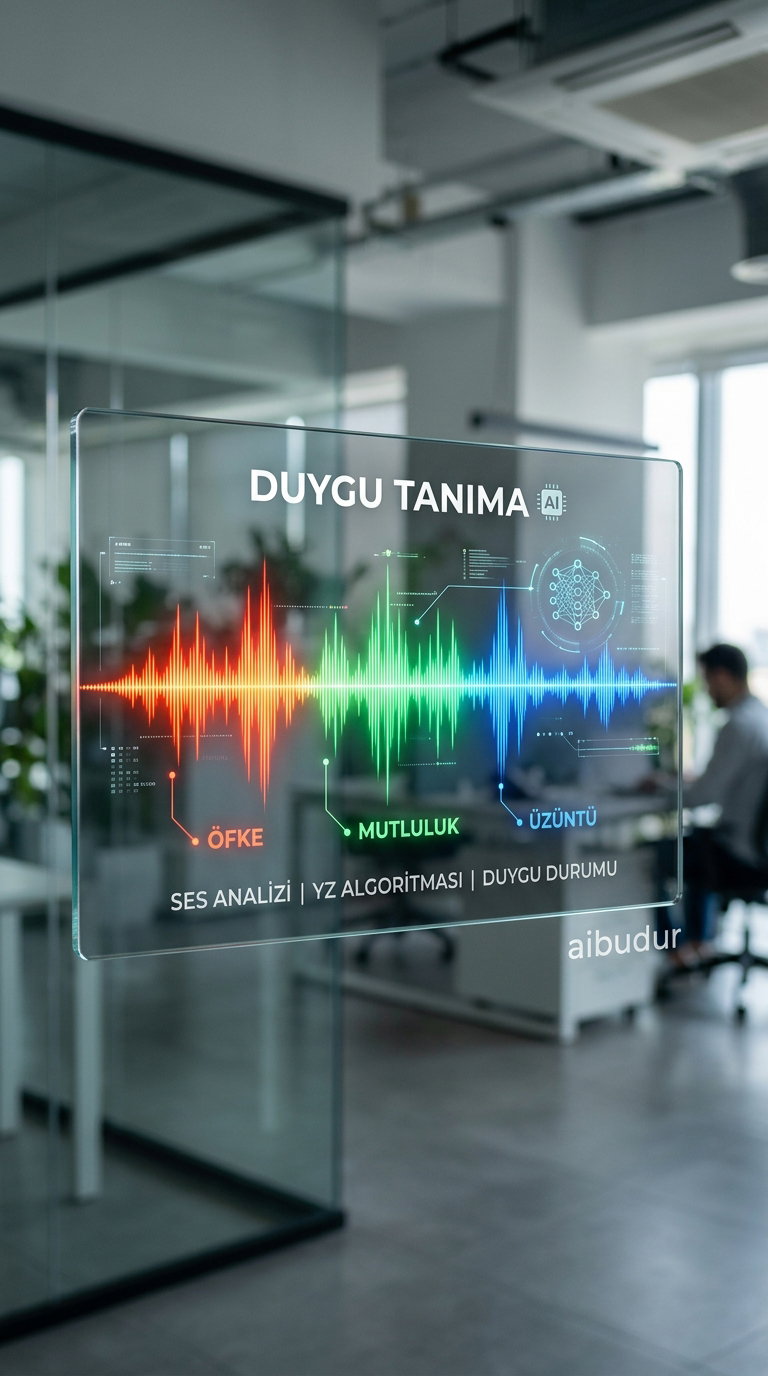
This technology is built on Natural Language Processing (NLP) and machine learning algorithms. When a customer calls a contact center or starts messaging a chatbot, artificial intelligence steps in to process dozens of data points at once, including tone of voice, speaking speed, word choice, and pauses.
For example, a high-pitched, fast-paced voice may be labeled as “anger,” while slow, low-pitched speech may point to “frustration.” So why does getting this right matter so much? Because a calm response to an angry customer and a solution-focused response to someone who feels disappointed can lead to very different outcomes.
With these real-time insights, agents can understand the customer’s needs faster and adjust their communication strategy on the spot. In some cases, it even makes it possible to change course halfway through a conversation.
Concrete Benefits for Businesses
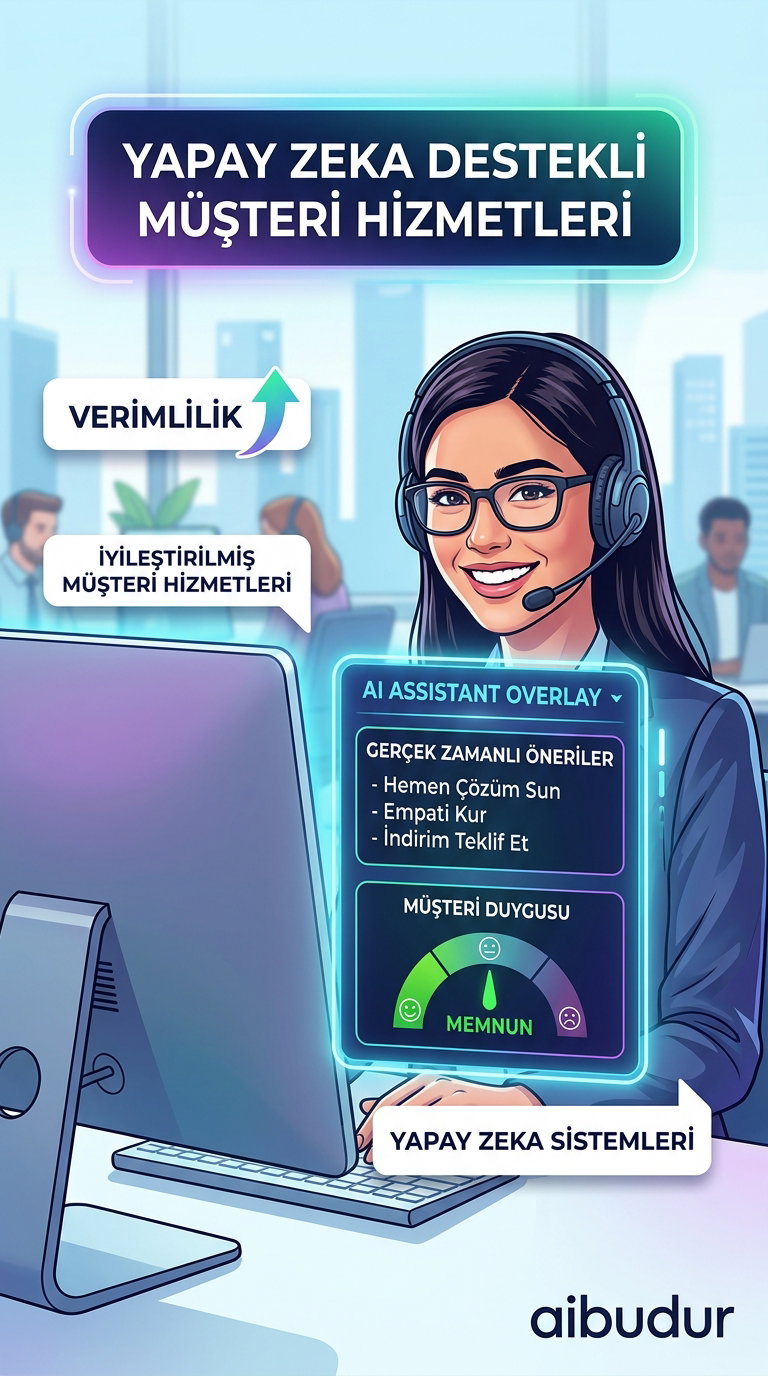
Bringing these systems into customer service does more than boost satisfaction; it also helps prevent a negative interaction from spiraling into a bigger issue. When the system detects a tense customer, it can instantly alert the relevant manager or surface solution-focused suggestions on the agent’s screen.
The collected data also becomes a valuable training resource for agents. Thanks to customer emotion analysis, teams can clearly see which situations lead to satisfaction and which ones turn into complaints, making it easier to build personalized training programs. If you're wondering how to improve customer experience with conversational AI, you can check out our in-depth guide on the topic.
Transforming Customer Service: From Reactive Support to Empathetic Experience
Emotion-recognizing AI systems are pushing customer service beyond a department that simply solves problems and into one that delivers truly personalized experiences. Ending a conversation that started in frustration with a calm, satisfying resolution no longer has to be left to chance. For businesses looking to reduce churn, this article on how AI chatbots impact customer churn may also be worth a read.
By adding this technology to your business processes, you can strengthen brand loyalty and improve operational efficiency. You can visit the aibudur.com platform and try these systems for yourself with the 50 free credits offered to you.