The AI Revolution in Healthcare

Artificial intelligence is rapidly reshaping healthcare. With the help of machine learning and deep learning, vast datasets can be analyzed to give doctors real support in early diagnosis and personalized treatment planning. When you consider that a radiologist may review hundreds of images a day, the impact of AI on healthcare becomes even clearer: it helps reduce fatigue and lowers the risk of human error.
AI in Medical Imaging
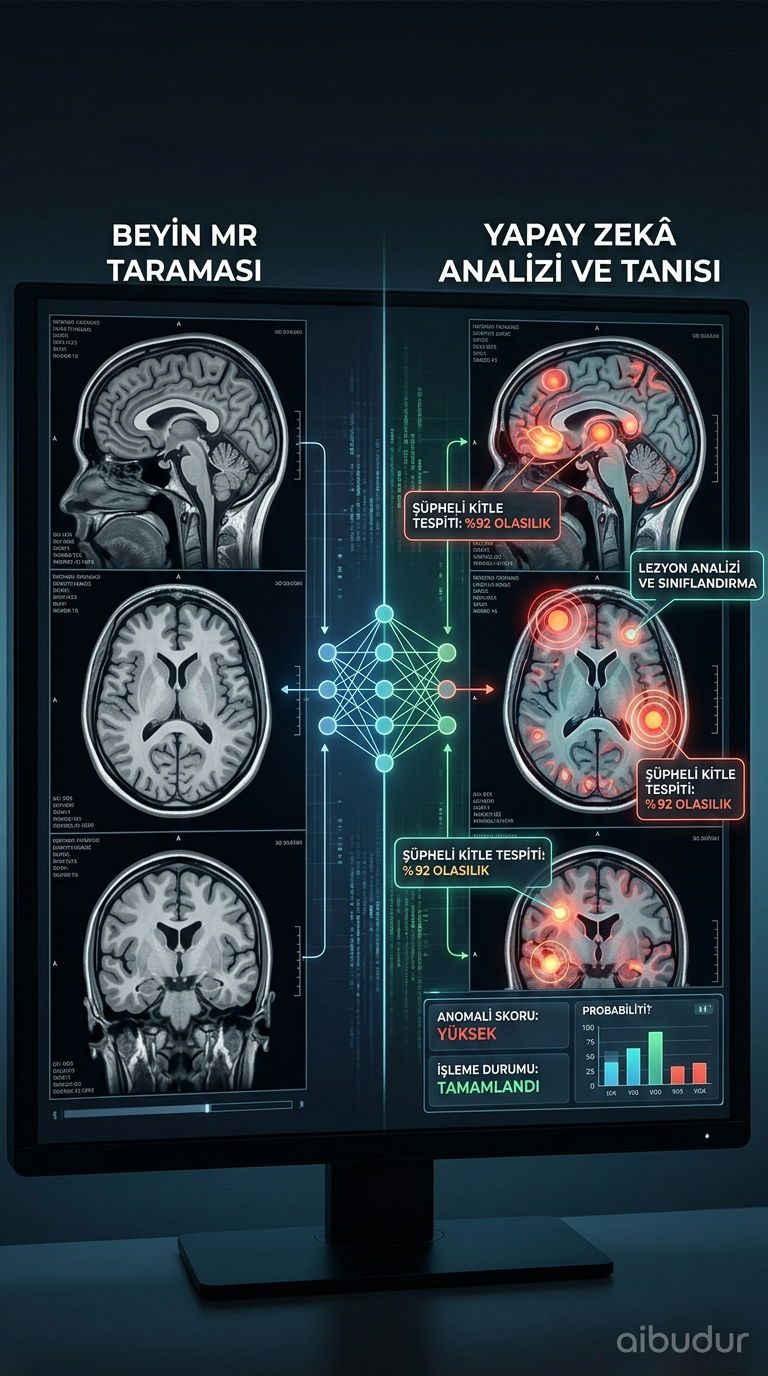
Medical imaging is one of the areas where AI is making the fastest progress. *MRI*, *CT* scans, and X-rays are analyzed by algorithms that can spot tiny abnormalities the human eye might miss. This opens the door to detecting cancerous tumors much earlier.
Pathology is also benefiting from this shift. *Artificial intelligence* algorithms used to examine tissue samples help pathologists speed up diagnosis. But it’s not just about speed—higher accuracy also makes treatment more effective by reducing the risk of misdiagnosis.
Drug Discovery and Personalized Medicine
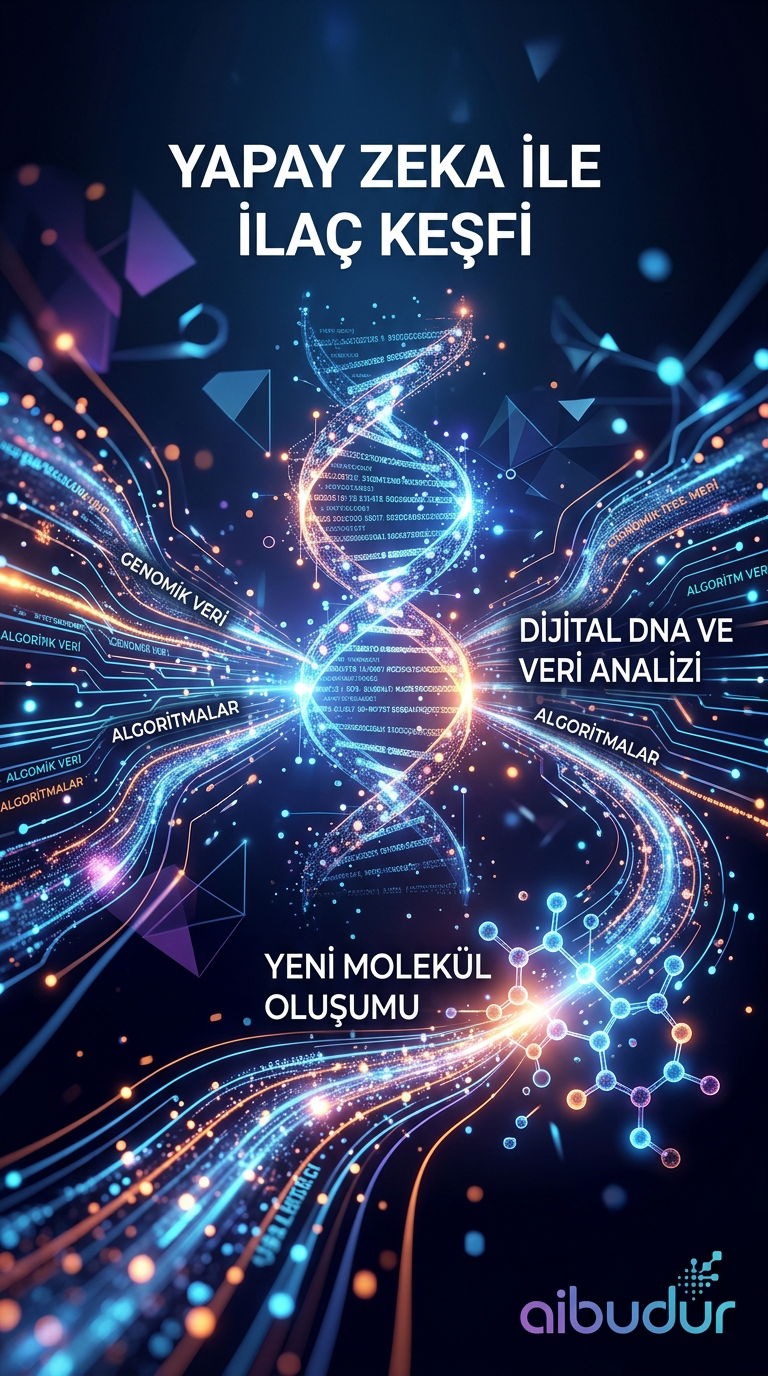
Drug discovery has traditionally taken years. AI models can accelerate the process by identifying promising drug candidates and testing whether existing drugs could be repurposed for different diseases. Clinical trials also become more organized and data-driven along the way.
Personalized medicine is where the potential becomes especially clear. A patient’s genetic data, lifestyle, and medical history can be analyzed together to determine the most suitable treatment plan. For example, if two patients with the same cancer have different genetic profiles, their personalized treatment plans should be different too—and AI can help make that distinction. If you’re curious about how AI is transforming business processes, check out the article How AI is Changing Competition for Businesses?
Operational Efficiency and Administrative Processes
AI is also working quietly behind the scenes in clinics. Time-consuming tasks like appointment scheduling, patient record management, and billing can be automated, freeing healthcare professionals to spend more time with patients instead of handling administrative work. When you think about how much of a nurse’s shift can be spent entering data, it’s easy to see how this kind of automation can directly improve the quality of patient care.
For those who want to explore more AI applications in healthcare, the Best Free AI Apps guide is a great place to start. You can experience it yourself by joining the aibudur.com platform and trying different tools with the 50 free credits you receive.