Voiceover Tips: Your Ultimate Beginner's Guide
Voiceover is the art of recording text by reading or speaking it aloud, and it has become essential across various fields. Whether it’s for narrating a video, creating a commercial, or developing educational materials, the quality of your voiceover can significantly influence your project’s success. In this guide, we’ll explore the fundamentals and key aspects to consider for those just stepping into the voiceover world.
Before diving in, think about elements like your tone of voice, diction, and script interpretation skills. Great voiceover transcends mere reading; it’s about conveying genuine emotion to the listener. If you can’t express excitement in a commercial or evoke a sense of calm in a documentary, the final product may fail to resonate, regardless of the technical quality.
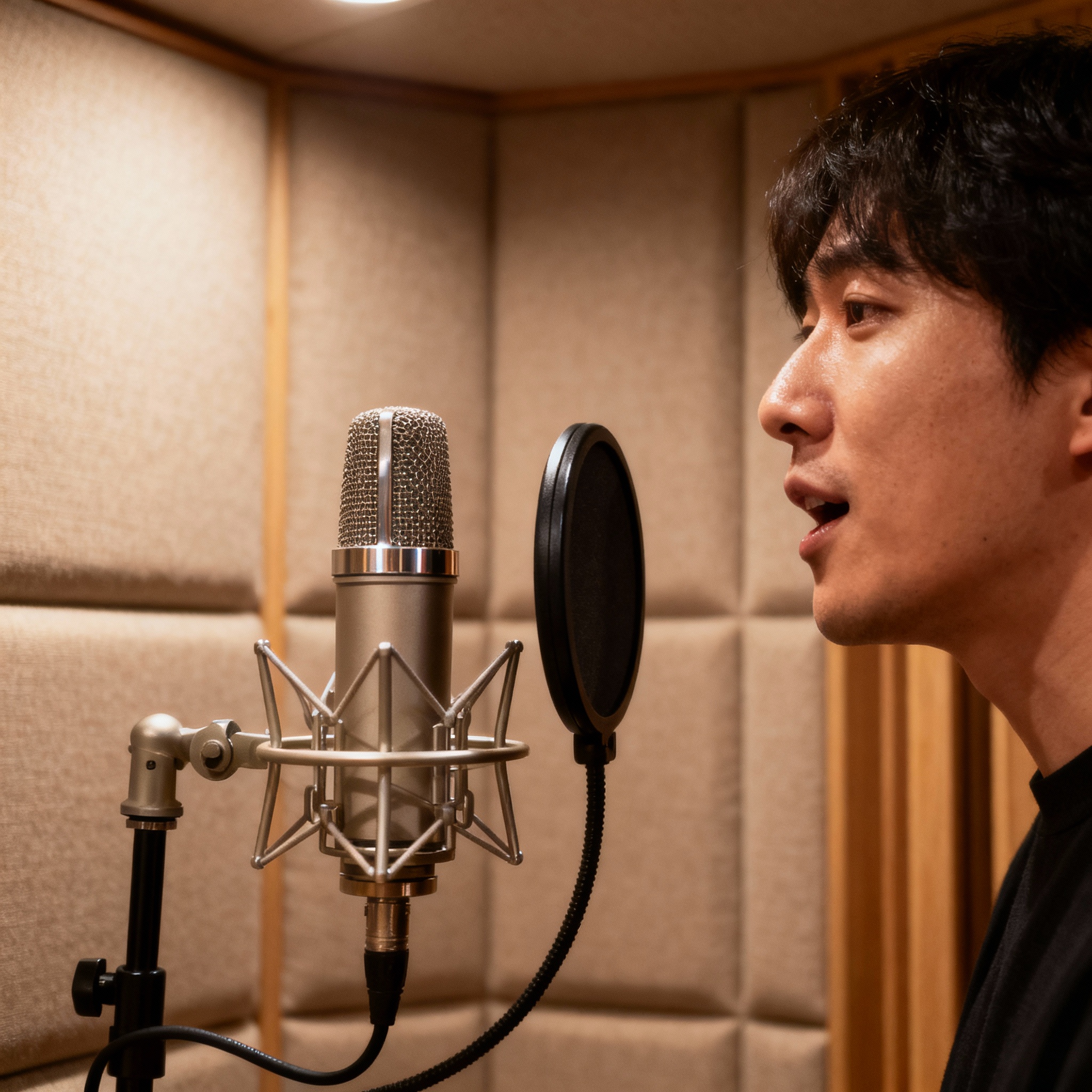
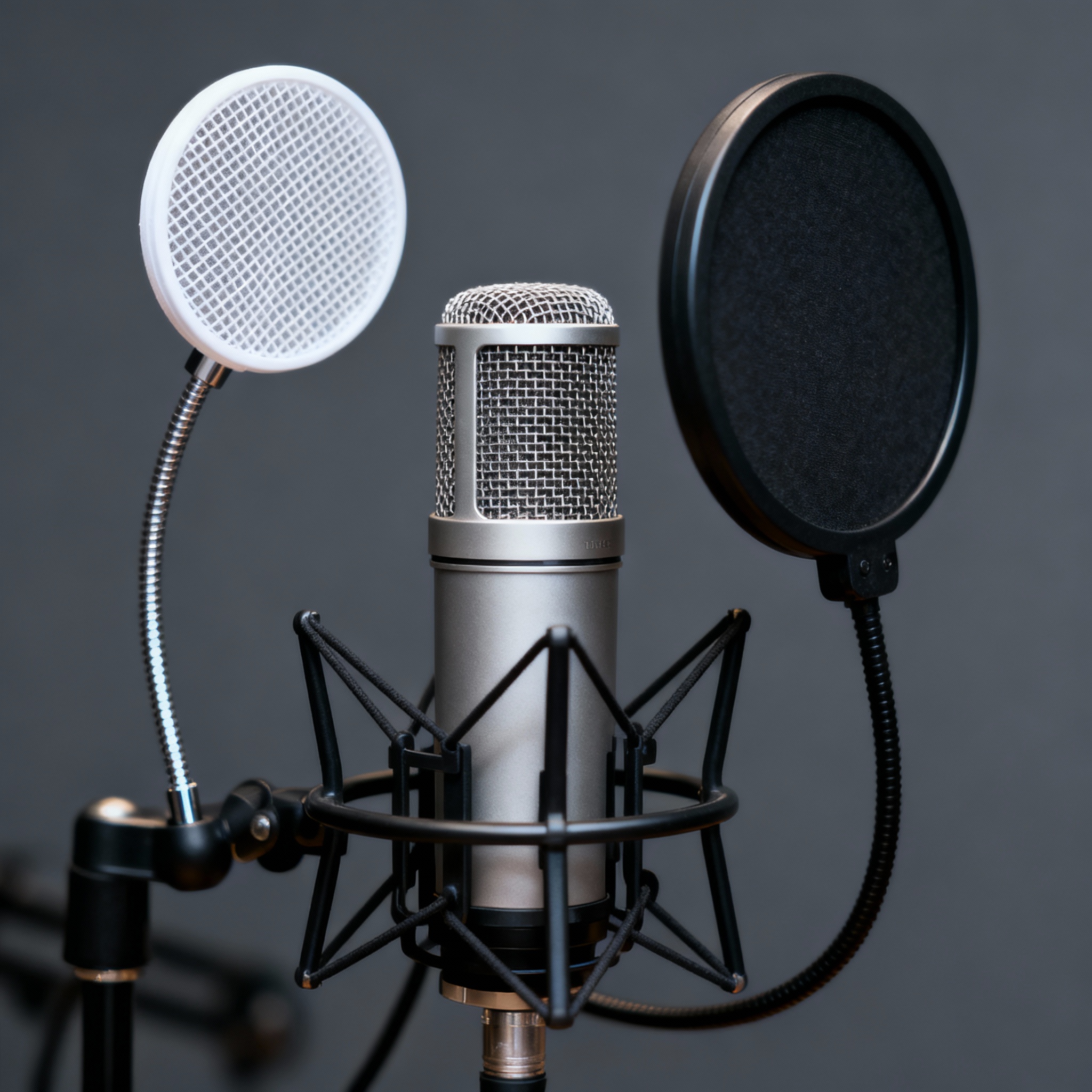
The first step is to gather the right equipment. A quality microphone, a pop filter, a microphone stand, and a soundproof space are all you need to get started. When selecting a microphone, choose a model that fits your budget and needs; even condenser microphones priced between 500-1000 TL can deliver pristine recordings. A pop filter will help achieve clearer audio by mitigating plosive sounds.
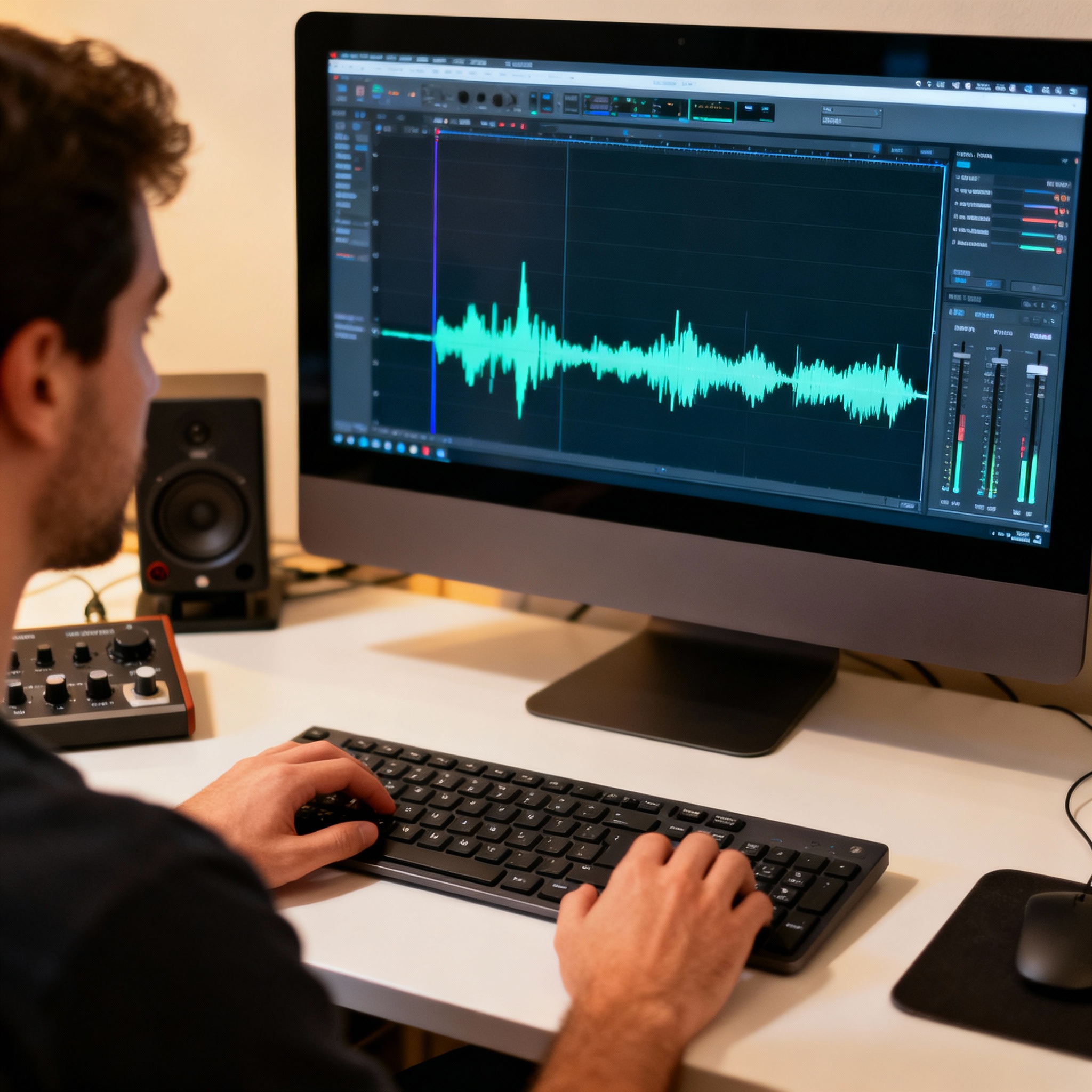
You don’t need a professional studio for soundproofing. A peaceful room, thick curtains, or a few acoustic panels can drastically cut down on echo. Additionally, you’ll require audio recording and editing software like Audacity or Adobe Audition. For those interested in text-based solutions, be sure to check out our article What is Text-to-Speech Technology?.
While performing voiceovers, keep a few crucial points in mind. First, read the text thoroughly beforehand to grasp its meaning; identify which words to emphasize and where changes in tone should occur before you start recording. Focus on your diction and pronounce words clearly. And what about breathing? If you don’t mark breath points while reading lengthy sentences, you risk creating awkward pauses mid-sentence.
Keep your voice natural and steer clear of a robotic tone. After recording, use audio editing software to reduce noise, refine intonation, and eliminate unnecessary segments. To dive deeper into text-to-voice approaches, check out our article What is Text-to-Speech Conversion? for more insights.
- Use the right equipment.
- Prepare your text in advance.
- Pay attention to your diction.
- Control your breathing.
- Edit your audio.