How to Set Up an Advanced Turkish Voice AI Assistant with Vapi
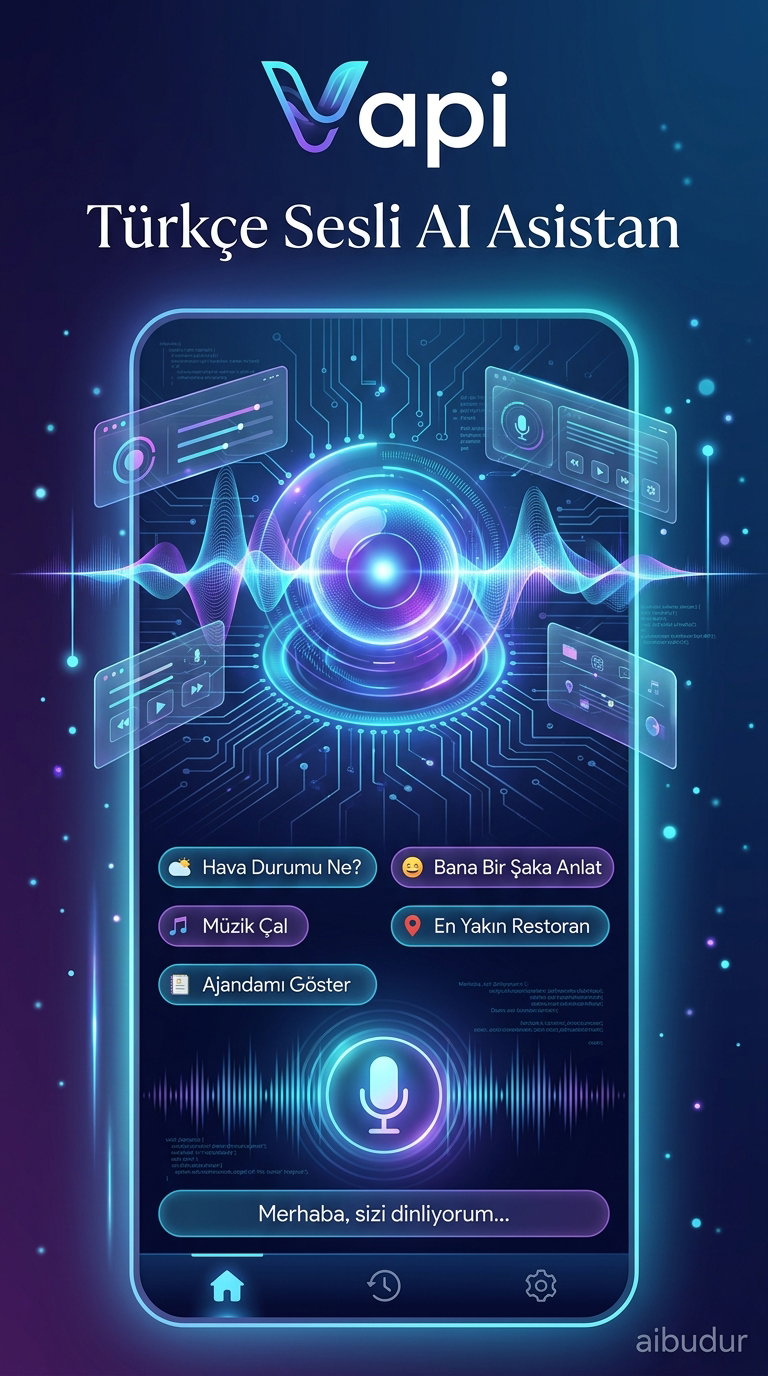
Vapi is a developer-first platform built for creating AI systems that can hold natural, human-like voice conversations. It provides a powerful infrastructure for anyone looking to build a Turkish Voice AI Assistant for phone-based automation. With its flexible architecture, developers get end-to-end control and can plug in their own language models and speech technologies.
How Does Vapi Work?
The core idea behind Vapi is orchestration. It brings together different services—such as speech-to-text (STT), text-to-speech (TTS), and large language models (LLM)—under one roof. Thanks to this modular setup, you can build low-latency voice assistants tailored to the exact needs of your project.
The platform also handles infrastructure tasks that would normally take a lot of engineering effort, such as managing phone calls and processing audio streams in real time. That means you can spend less time wrestling with the plumbing and more time shaping how the assistant behaves and which language model it uses. But does that flexibility actually hold up when it comes to Turkish language support?

Choosing the Right Model for Turkish Language Support
The most important step in building a Turkish voice assistant is configuring language support correctly. Vapi's flexible architecture makes it easy to integrate external models that can handle Turkish accurately. At this stage, your job is to choose an LLM and voice services that understand Turkish speech and can generate smooth, natural responses.
One key point in Vapi's documentation is that multilingual support needs to be explicitly defined in the system prompts. This small detail plays a major role in delivering a consistent, accurate experience. For example, if you're building a customer service bot that should respond only in Turkish, leaving out this instruction could cause it to reply in English. If you'd like to dig deeper into how Turkish voice generation works, there's a detailed guide available on the topic.

Use Cases and Real-World Value
Once the right Turkish language models and voice services are in place, Vapi-based assistants can be used across a wide range of industries, from customer support to call center automation. Building a bot that can handle an entire phone conversation from start to finish—whether it’s booking appointments, tracking orders, or troubleshooting technical issues—is now much more accessible.
If you want to explore AI tools like these up close, visit aibudur.com and try a range of AI solutions firsthand with the 50 free credits available to members.