Video Face Swapping: Unlocking the Secrets of Deepfake Technology

Deepfake technology is an innovative technique that enables the stunning ability to swap one person's face with another's using artificial intelligence. In just a few years, this technology has carved out spaces in the entertainment world as well as in unsettling aspects of society. From captivating Hollywood films to potential political deception, understanding deepfakes has transformed from mere fascination to an essential awareness.
Deepfakes rely on intricate algorithms and extensive datasets. The process begins by inputting hundreds or even thousands of photos and video frames of the target person from various angles into the system. Artificial intelligence scrutinizes these images, learning facial traits such as the angle of the eyebrows, the shape of the eyes, and the jawline, before overlaying these features onto another individual's face. The outcome is often a face swap so seamless that it’s nearly impossible to discern with the naked eye.
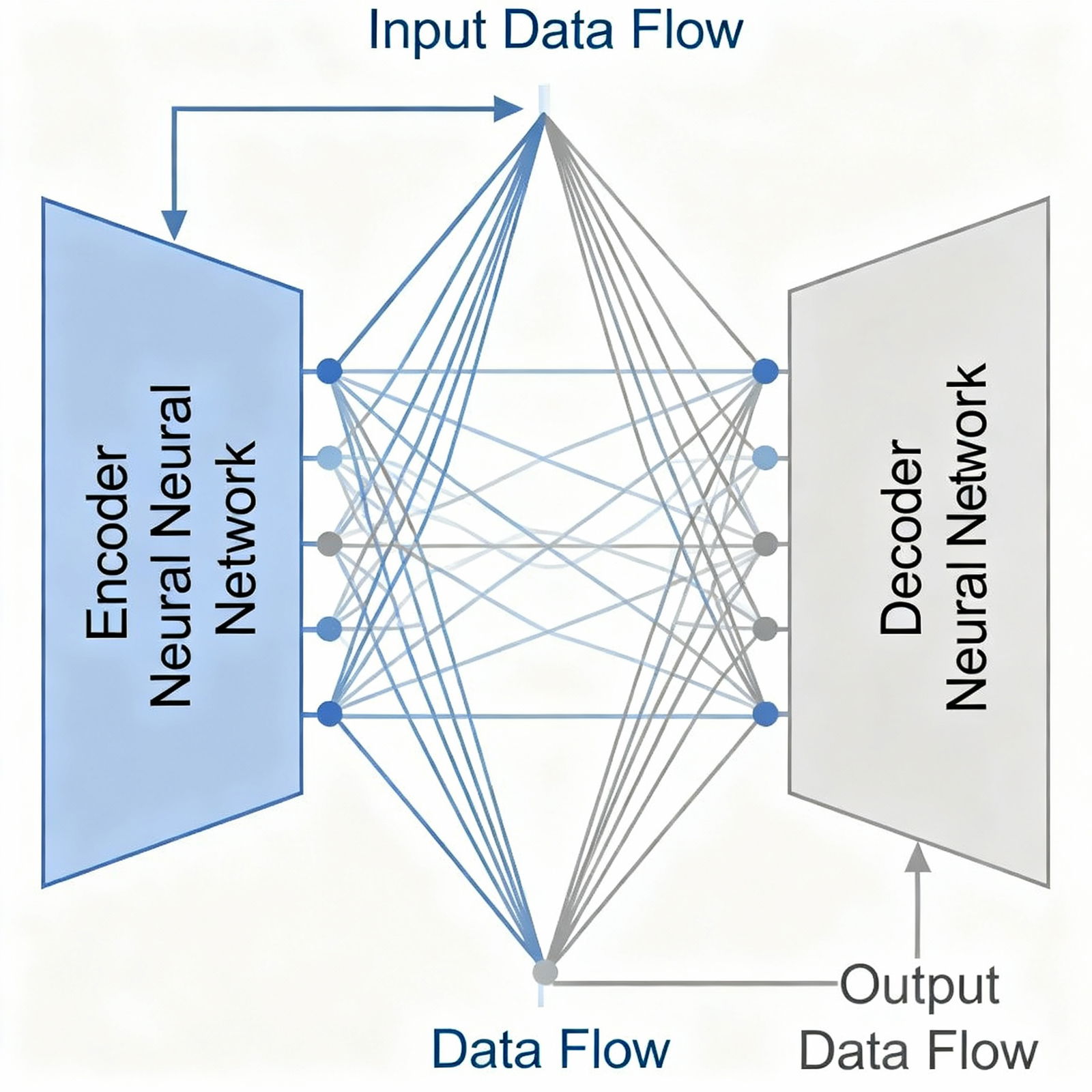
The driving force behind this technology is deep learning algorithms, prominently involving neural networks. Two fundamental structures operate during the face-swapping process: the encoder and the decoder. The encoder analyzes the attributes of both faces independently, converting them into a mathematical vector. The decoder then utilizes these vectors to reconstruct the target face, incorporating the texture and shape elements of the source face.
This cycle repeats multiple times, progressively reducing the margin of error with each iteration. After thousands of loops, the resulting video becomes alarmingly difficult to differentiate from the original footage. But can such a potent tool be exclusively employed for harmless purposes?
The potential applications are indeed vast. In the film sector, an aging actor's face can be rejuvenated, or a deceased performer can be digitally revived in a new scene. In education, historical figures can be brought into the classroom through digital means. In advertising, a brand ambassador can be made to appear as if they’re speaking multiple languages tailored to different regions.
However, the perilous implications of deepfake technology are equally significant. In 2023, it was reported that a fabricated video depicting an opposition leader in a European country making scandalous remarks had an undeniable impact on the election campaign. In the same vein, fake videos utilizing a familiar voice and face have been linked to cases of financial fraud. Because of this, the ethical and legal implications surrounding deepfake technology are hot topics of intense debate. To delve deeper into the visual generation capabilities of AI, be sure to explore our AI Image Generation: A Step-by-Step Guide.

If you’re eager to explore this technology in-depth and experiment with AI tools yourself, check out aibudur.com. The platform offers users 50 free credits, allowing you to experience various AI applications firsthand. Understanding how deepfakes are created can significantly enhance your ability to identify them. For tips on improving visual quality, our article Photo Quality Enhancement: The Power of AI may prove invaluable.