The Art of AI-Powered Children’s Book Illustration
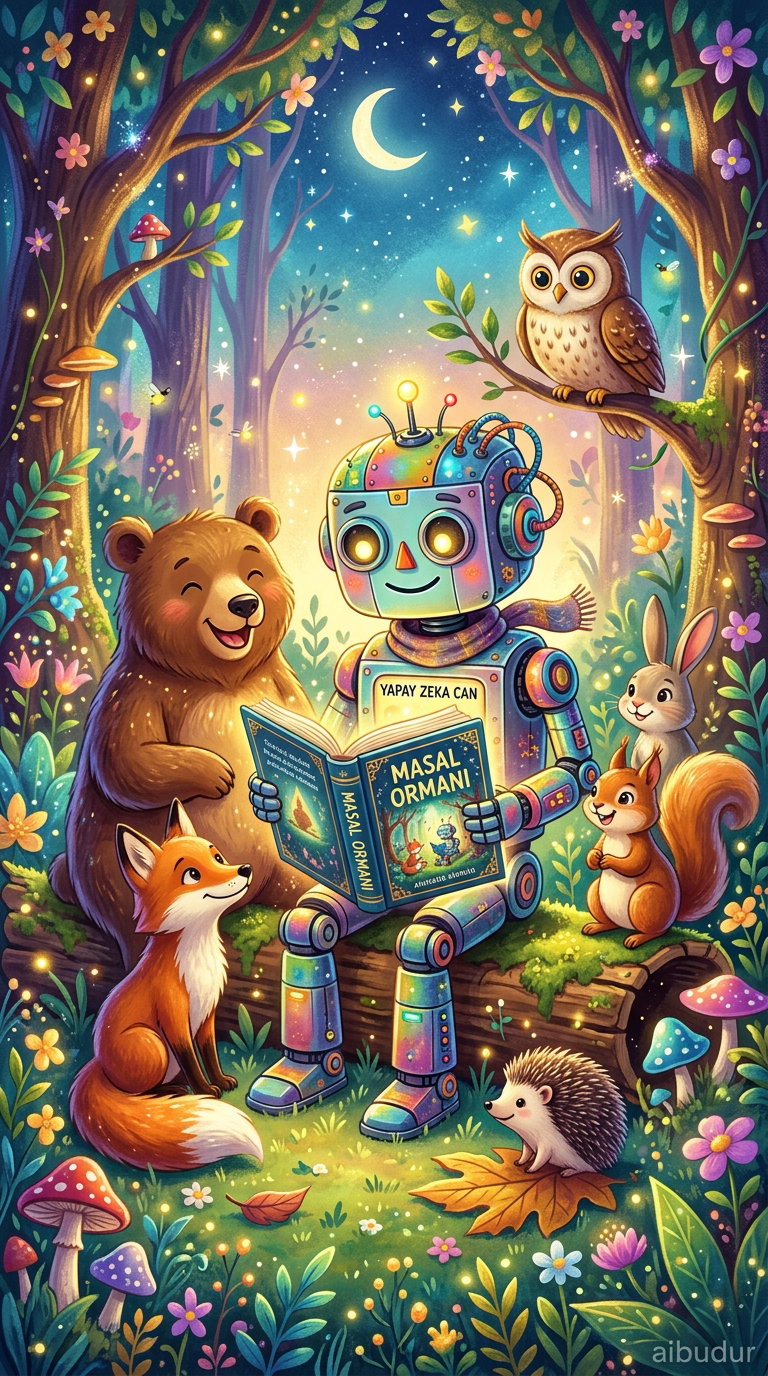
Traditional children's book illustration used to mean months of sketching, revisions, and print prep. With artificial intelligence, that process has been transformed. Today, an author doesn’t necessarily need to hire a graphic designer to create a personalized storybook for their child.
Now it’s possible to generate unique, whimsical visuals in seconds using text prompts. If you want to turn imagination into digital artwork, it all comes down to putting the right words in the right order.
Starting with the Right Tool Changes Everything
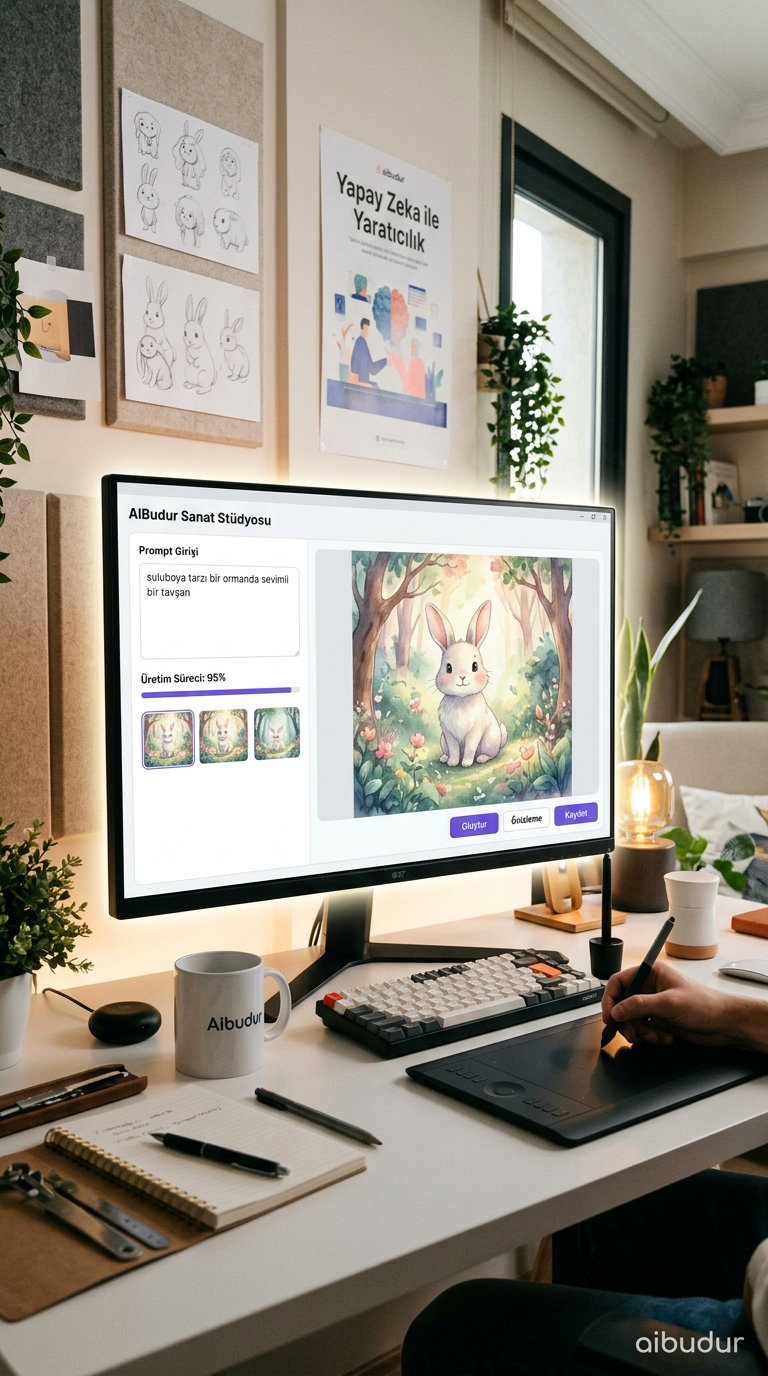
The first step in creating illustrations with AI is choosing the right platform. Tools like Midjourney, Adobe Firefly, and Canva AI analyze your text and turn it into visual art. For example, a prompt like "a cute rabbit wandering in the forest, drawn in watercolor style" can produce a professional-looking illustration for your book in just minutes.
Why do results sometimes fall short? Because prompt quality directly shapes image quality. The more clearly you describe the atmosphere, the character's expression, and the color palette, the more accurate the AI output becomes. Instead of "happy child," try "a curious girl with an orange scarf laughing next to a snowman" to take the result to a whole new level. It also helps to review platform comparisons to choose the right AI image generation tool and make the process much more efficient.
Character Consistency: The Backbone of the Story
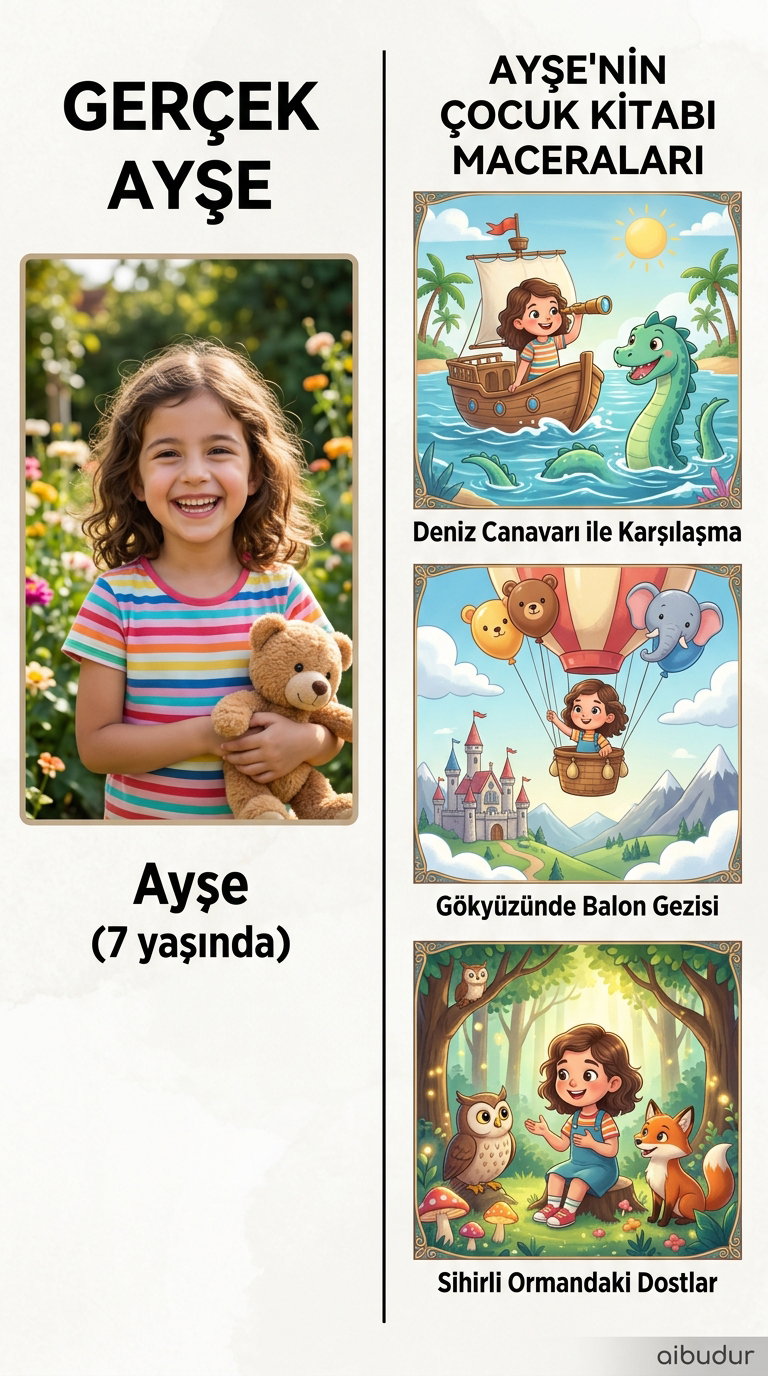
One of the most overlooked technical challenges in children's books is character consistency. If a protagonist has blonde hair in one scene and brown hair three pages later, a child may lose interest in the story. Advanced AI tools offer a practical solution.
Some platforms can use a child's photo as a reference to generate illustrations where the same character appears consistently across different scenes throughout the book. Imagine your child becoming the hero of their own story; this feature makes that possible. Techniques in AI image optimization work on similar principles: the higher the quality of the reference image, the more consistent the final output.
Personalized Storybooks Are Now Accessible to Everyone
For years, children's book illustration was the exclusive domain of professional artists and major publishing houses. AI has changed that. A teacher can now create a one-of-a-kind storybook for the class, and a parent can print a story featuring their child’s name and face.
For anyone who wants to explore this possibility, aibudur.com offers a range of AI tools in one place. When you register on the platform, you can start creating your first illustration right away with the 50 free credits provided. All you need to do is turn the scene in your mind into a clear, descriptive sentence.