AI in Stock Market Analysis: Opportunities and Risks

Artificial intelligence (AI) is rapidly making its way into the financial world.
In stock market analysis especially, the possibilities offered by AI have become a major point of interest for investors and analysts alike. But while this technology opens up exciting opportunities, it also comes with real risks.
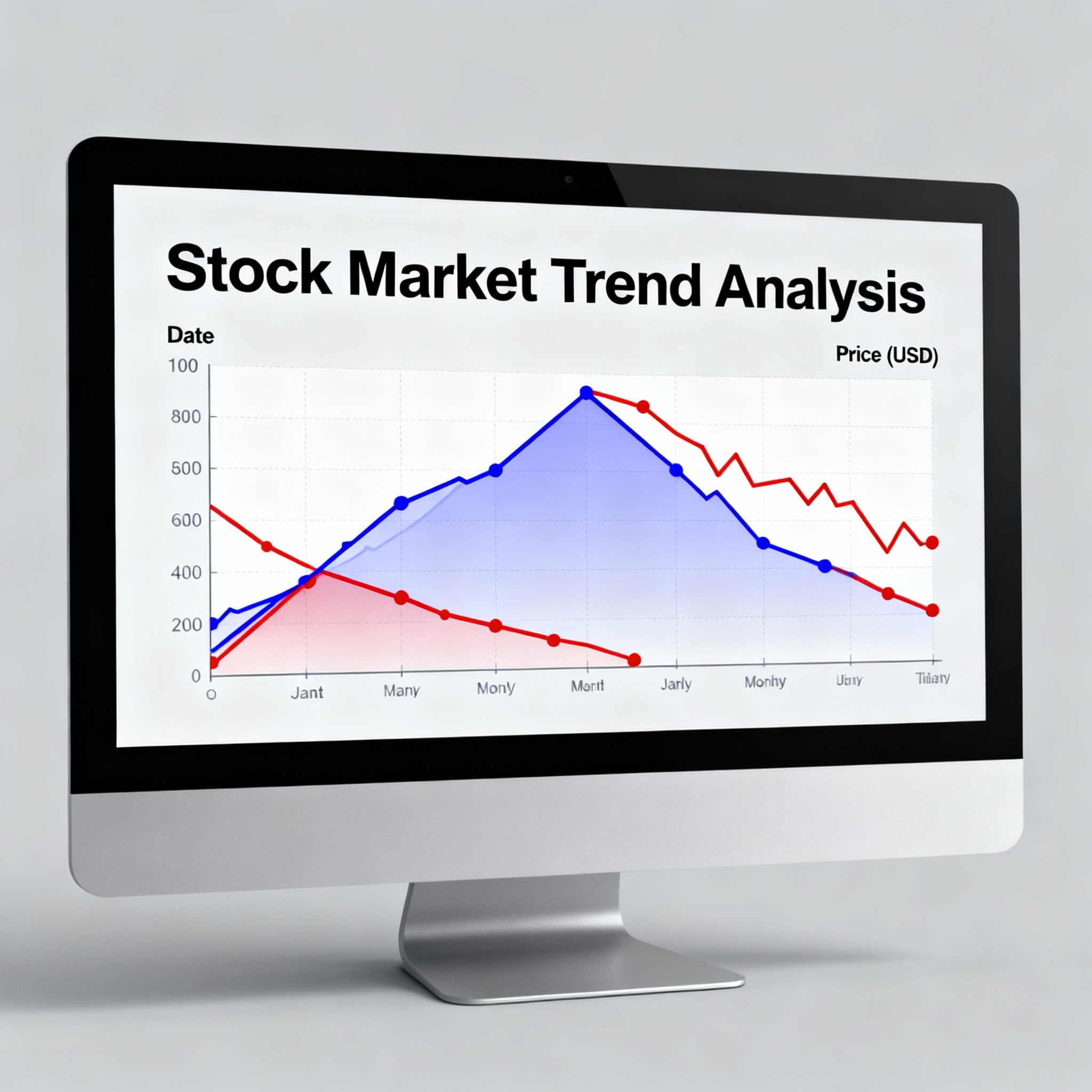
AI algorithms try to forecast future price movements by analyzing historical data. For example, a stock’s trading volume and price charts over the past two years can generate a mountain of data that an algorithm can process in seconds, while it might take an analyst days to do the same. These predictions can help investors make better buying and selling decisions.
Is it always right? No. Markets are full of surprises, and no prediction is 100% accurate. Rather than relying on artificial intelligence alone, combining it with human judgment is the smarter approach. For a deeper dive into the topic, take a look at How to Analyze the Stock Market with AI?.
Opportunities in Stock Market Analysis
The biggest advantage AI brings to stock market analysis is speed. Algorithms can scan volumes of data that would take human analysts hours or even days to process, all in milliseconds. That makes it possible to spot small market moves and short-lived trends much earlier.
Another major benefit is emotion-free decision-making. An investor might panic and sell at the wrong time; an algorithm won’t. Panic selling, herd behavior, extreme optimism... none of these influence an AI model. That said, there’s an important risk hidden behind these advantages: the quality of the data the algorithm is trained on. A model fed bad or incomplete data can produce predictions that look highly reliable but are fundamentally flawed. That’s why regular updates and testing are essential.
Managing Risks
Managing risks is another area where AI stands out. Simulating how your portfolio might perform under different market conditions, anticipating potential losses, and adjusting positions accordingly has never been more accessible. If you’d like to explore this approach further, the article How to Perform Financial Anomaly Detection with AI? may be helpful.
Still, AI’s complex algorithms remain a black box for most investors. It can be hard to tell how much weight is given to each factor, or why the model chose one outcome over another. That lack of transparency makes risk assessment more difficult.
Before investing in AI-powered stock market analysis, it’s essential to understand the technology and seek expert support when needed. Ultimately, AI is a tool: it works best in the right hands and the right context, but it can be misleading when left to operate on its own.