AI-Powered e-Invoicing and VAT Declaration Automation

Repetitive tasks are some of the biggest drains on a company’s time and energy. e-Invoice tracking and VAT declaration preparation fit that description perfectly: the same steps, the same checks, and the same stress every month. Artificial Intelligence (AI) is now being built into accounting workflows to break that cycle, offering a powerful alternative for teams that still handle invoice transactions manually.
What happens when manual data entry disappears? You don’t just save time, you also reduce human error. Think about the hours an employee spends entering hundreds of invoices into the system one by one; AI automation can do that work in minutes while keeping financial data accurate.
How Does e-Invoicing Automation Work?
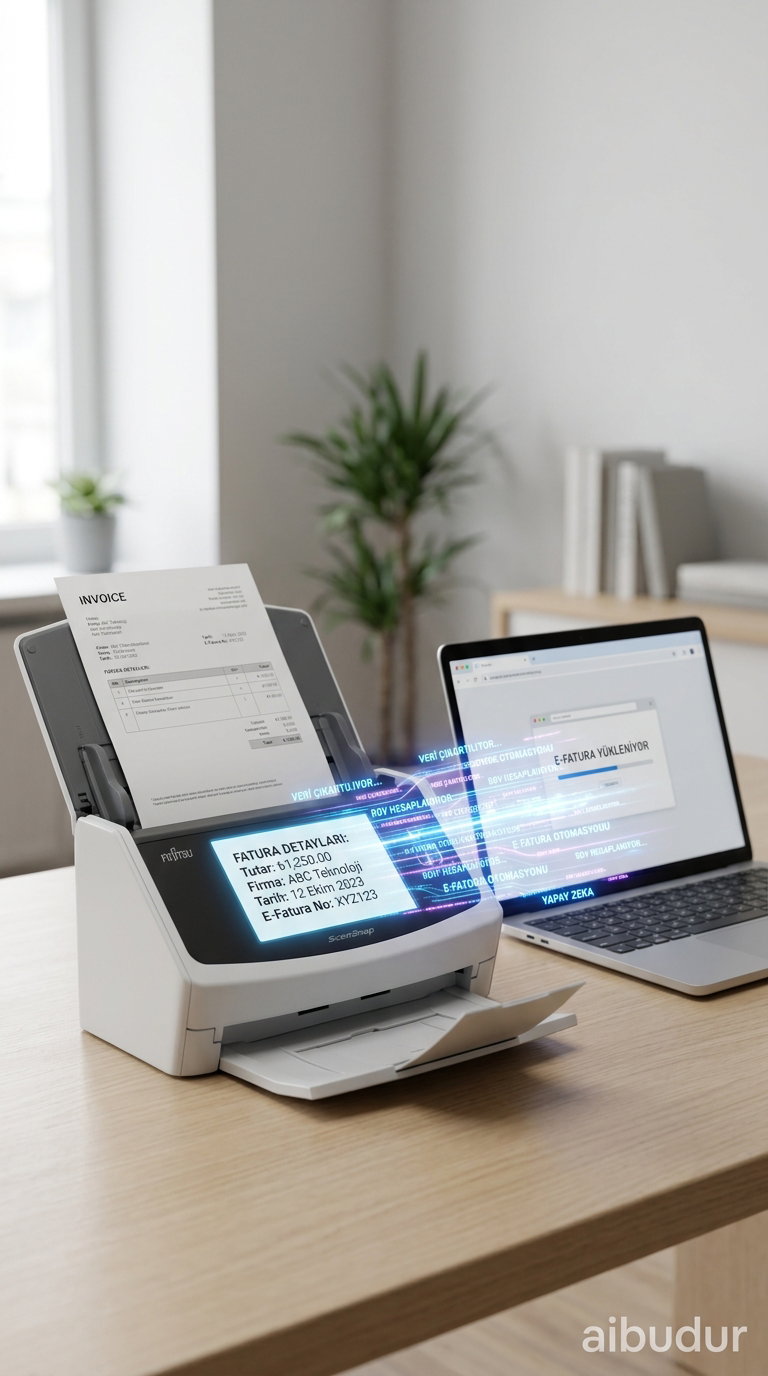
The e-Invoicing automation process starts with Optical Character Recognition (OCR) technology. The system automatically detects invoices in incoming emails or scanned documents. It extracts key details such as the supplier name, date, amount, and tax rate with high accuracy, then sends this data directly to the company’s accounting or Enterprise Resource Planning (ERP) software.
No manual intervention is needed. Invoice processing time drops from hours to minutes, freeing teams to focus on more strategic work. Imagine a manufacturing company that works with hundreds of suppliers every month; entering all those invoices into the system is a huge workload on its own. Among the cost-saving methods with AI for SMEs, invoice automation like this stands out as one of the most practical.
The Role of AI in VAT Declaration Preparation
Month-end VAT calculations are some of the busiest moments for accounting teams, and they also come with the highest risk of error. Because purchase and sales invoices are automatically recorded in the system, AI can handle these calculations instantly. It identifies the applicable VAT rate, compares input and output VAT amounts, and generates a draft declaration.
In addition, the system alerts financial advisors when it detects inconsistencies or unusual items. That speeds up the declaration process and significantly reduces the risk of tax penalties. How to perform financial anomaly detection with AI goes into more detail on how these warning mechanisms work, especially in VAT declaration workflows.
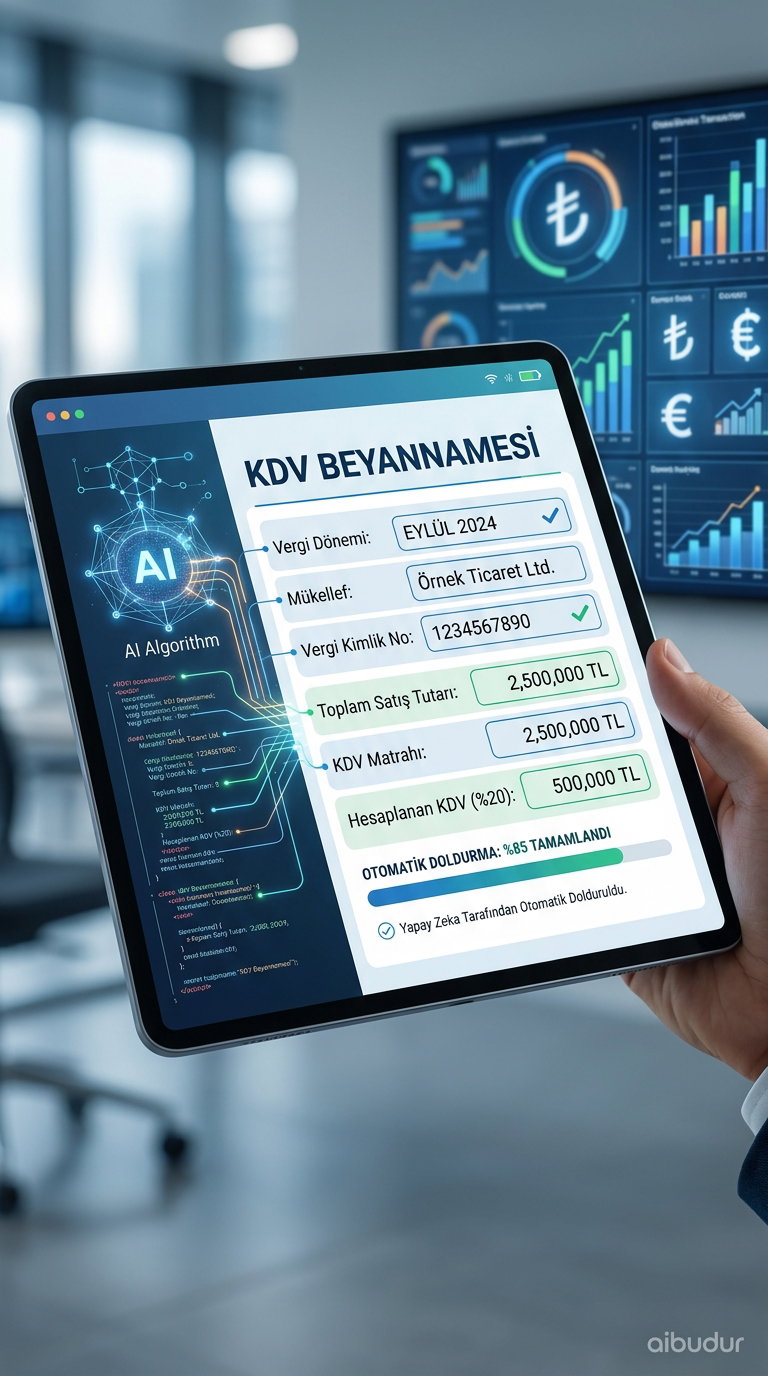
So, does all this automation actually meet business needs? Accounting teams still have the final say; Artificial Intelligence acts as a preparation tool, not a decision-maker. By adding speed, accuracy, and transparency to financial operations, it eases the workload on teams and leaves more room for strategic decisions.
To automate your business processes or create content in this area, you can explore the aibudur.com platform. When you sign up, you can start using the tools right away with the 50 free credits provided.