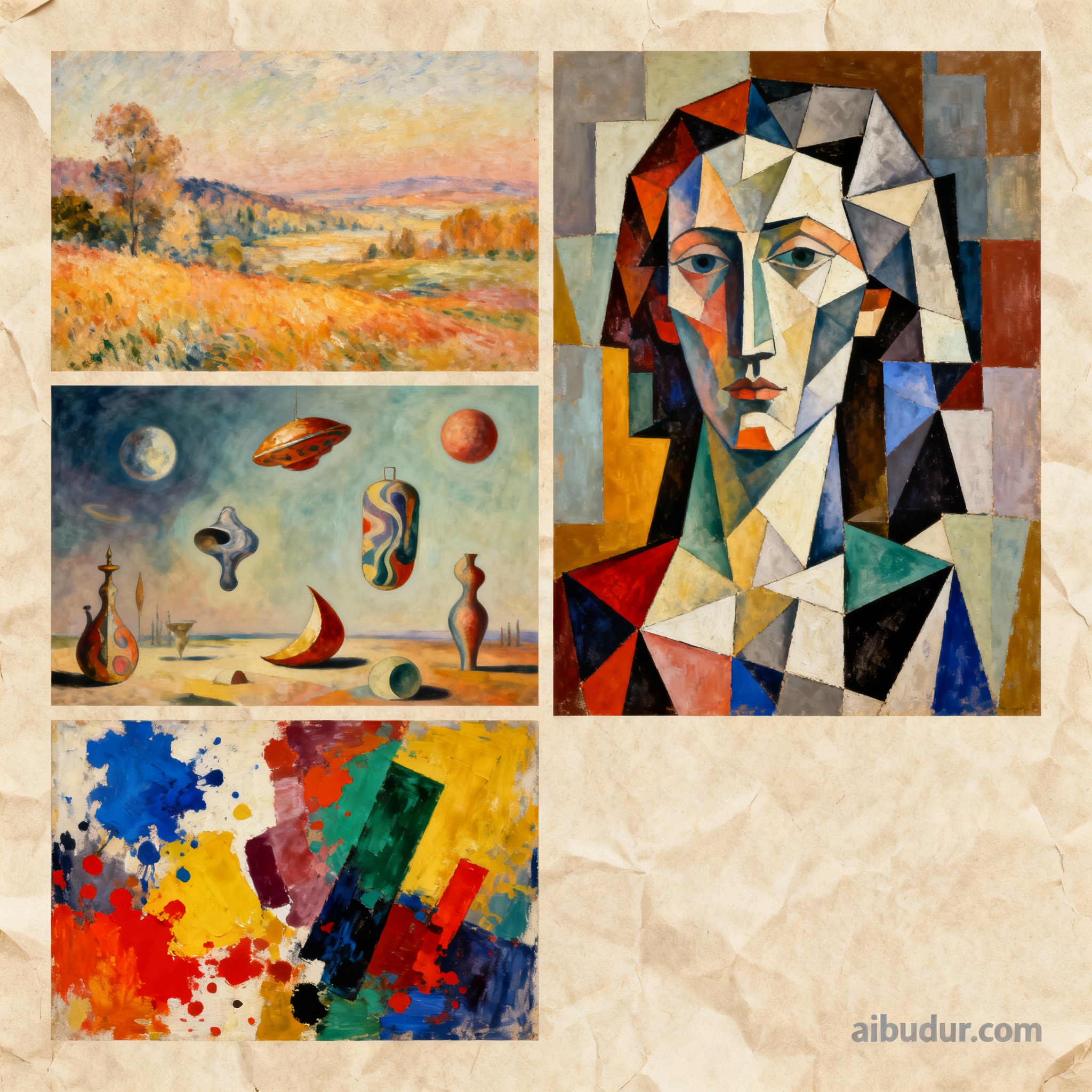
Unlocking Creativity: Your Ultimate Beginner's Guide to AI Art
Creating art with Artificial Intelligence (AI) has evolved rapidly, transforming into an accessible realm for nearly everyone. You no longer need to invest in a Photoshop license or spend years mastering drawing; simply articulating your envisioned scene in a few sentences is all it takes. This guide compiles essential insights and practical tips for beginners embarking on their journey into making art with AI.
Technology is revolutionizing the production of art and design. To elevate your creative expression, all you need is to grasp the logic behind these innovative tools. You can dive in right away and snag 50 free credits by visiting aibudur.com.
Exploring AI Art Creation Tools and Platforms
There are a multitude of AI image generation tools available, but the core logic behind them is quite similar: you provide a text prompt, and the tool interprets it to create a visual. Even a basic sentence like "a cat lounging by the seaside at sunset, oil painting style" is enough to kick things off.
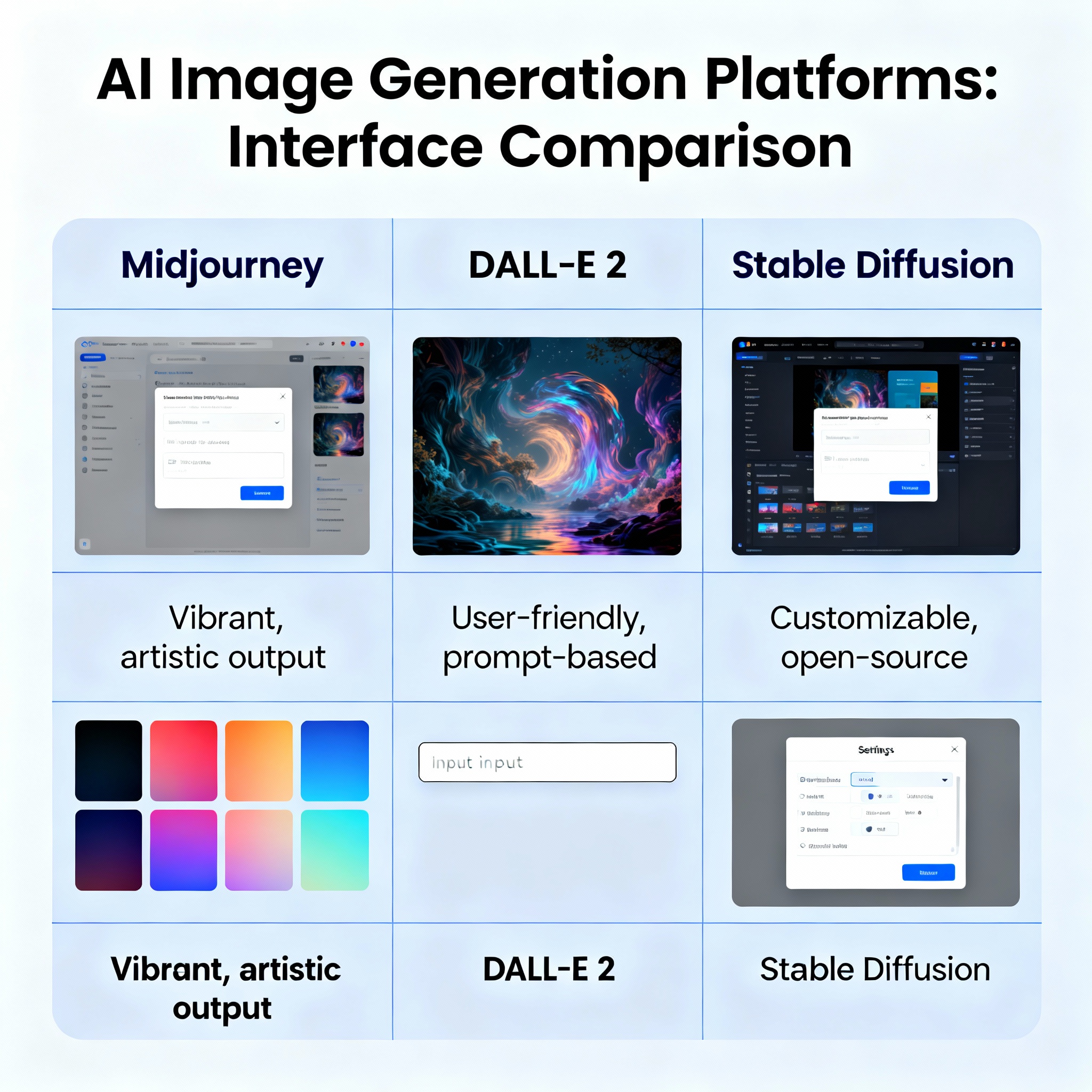
Among the favored platforms, Midjourney, DALL-E 2, and Stable Diffusion prominently stand out. While Midjourney leans towards a more impressionistic and abstract aesthetic, DALL-E 2 excels at generating realistic faces and objects. The fastest way to determine which tool suits your needs is to give them all a spin briefly. For a comparative analysis, you can check out our piece DALL-E and Midjourney: Which AI Image Generator Is Better?.
Key Considerations for AI Art Creation
A common pitfall when generating images with AI is using prompts that are too short and vague. Instead of saying "a beautiful landscape," a more descriptive prompt like "a misty morning in an autumn forest, a small cabin in the distance, cold blue tones" yields far more precise results. The more details you include, the closer the tool gets to realizing your vision.
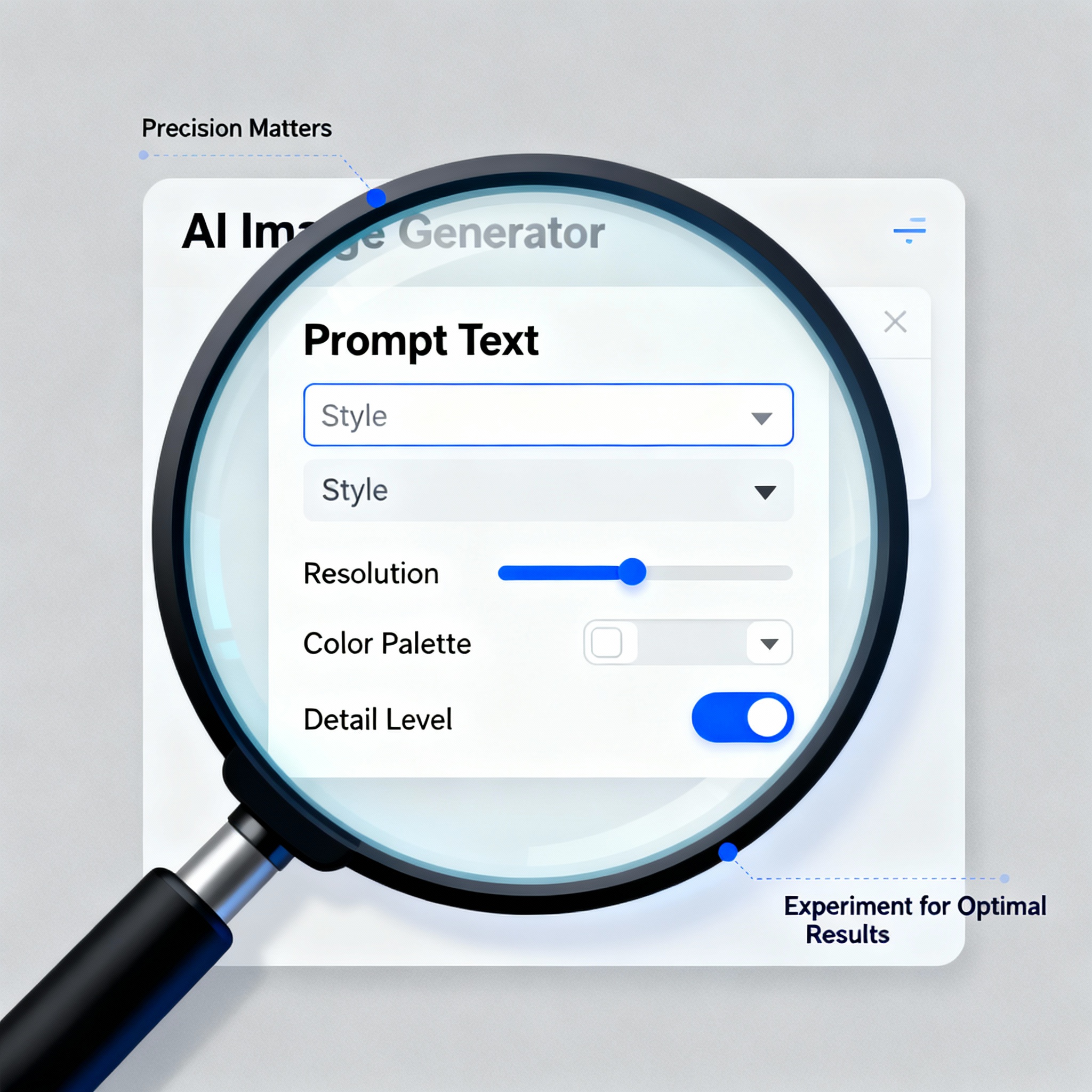
Don’t hesitate to experiment with various parameters such as style, color palette, and composition. Phrases like "Baroque-style lighting" or "minimalist, flat colors" can drastically alter the outcome. AI might occasionally surprise you with unexpected results; don’t be discouraged, as these surprises can often lead to the most fascinating ideas. At aibudur.com, you can conveniently explore this process by trying different tools side-by-side.
AI Art Creation: Essential Tips and Tricks
Looking for inspiration? Exploring art movements such as Impressionism, Art Nouveau, or Japanese ukiyo-e can be a fantastic starting point. By integrating the names of these movements into your prompts, you provide a clear reference framework for the AI. For instance, saying "a garden scene in pastel tones, Monet style" works beautifully.
Understanding color theory and fundamental composition rules significantly influences the quality of the output. When you incorporate concepts like the "golden ratio" or the "rule of thirds" into your prompts, the AI-generated images tend to be much more balanced. Experiment with the same subject using different phrasing to identify the tool's strengths and weaknesses; these minor tests will accelerate your mastery of the tool.
While developing your unique style has no shortcuts, it can be an enjoyable process with the right tools. Head over to aibudur.com to explore free AI tools and score 50 free credits. For additional methods, check out our article Creating Visuals with AI: 5 Fast and Easy Methods for more insights.