AI-Powered Virtual Influencer Management
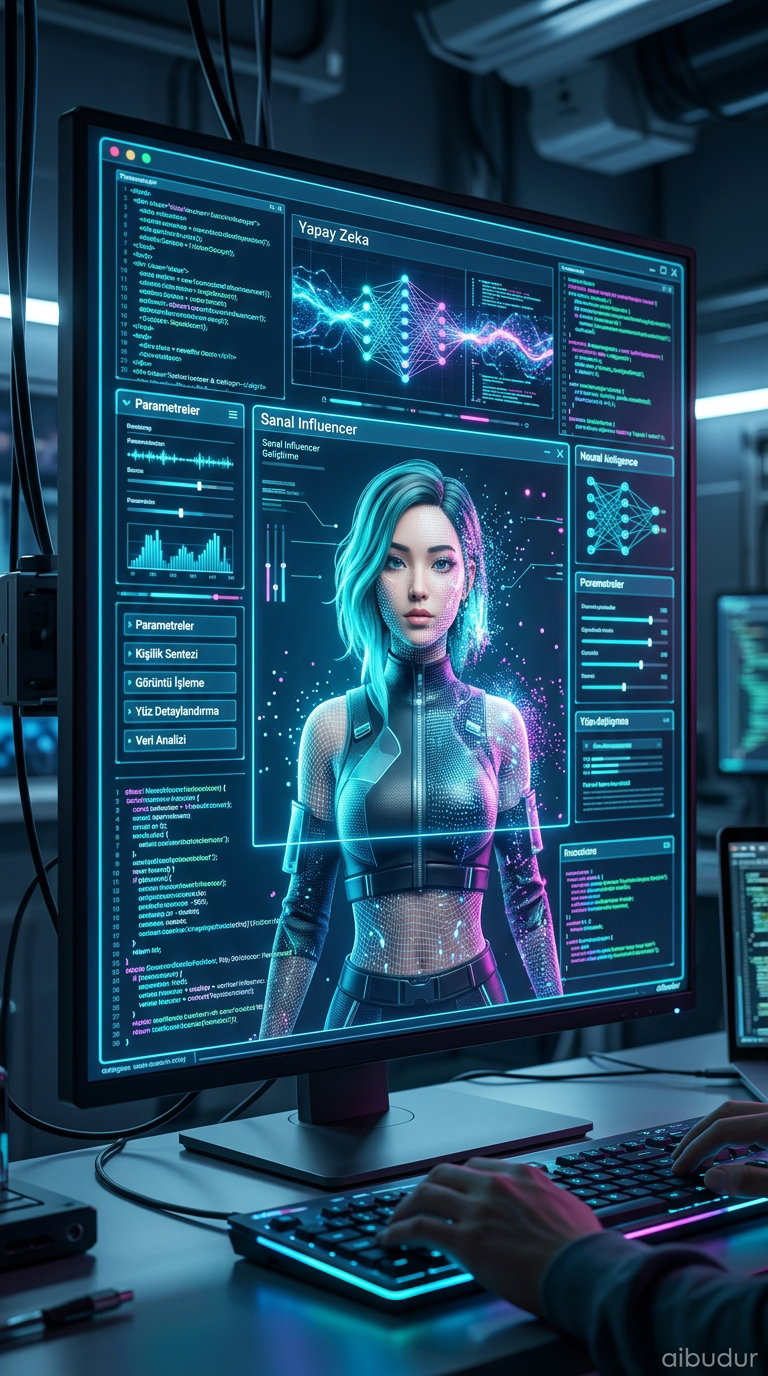
In one of the most intriguing corners of digital marketing, the stars aren’t real people at all, but fully digital characters. Thanks to artificial intelligence, creating and managing virtual influencer profiles is now a reality. By combining graphic design, text generation, and speech synthesis, brands can build digital personalities that don’t physically exist but still publish content consistently on social media.
How Do You Create a Virtual Influencer?
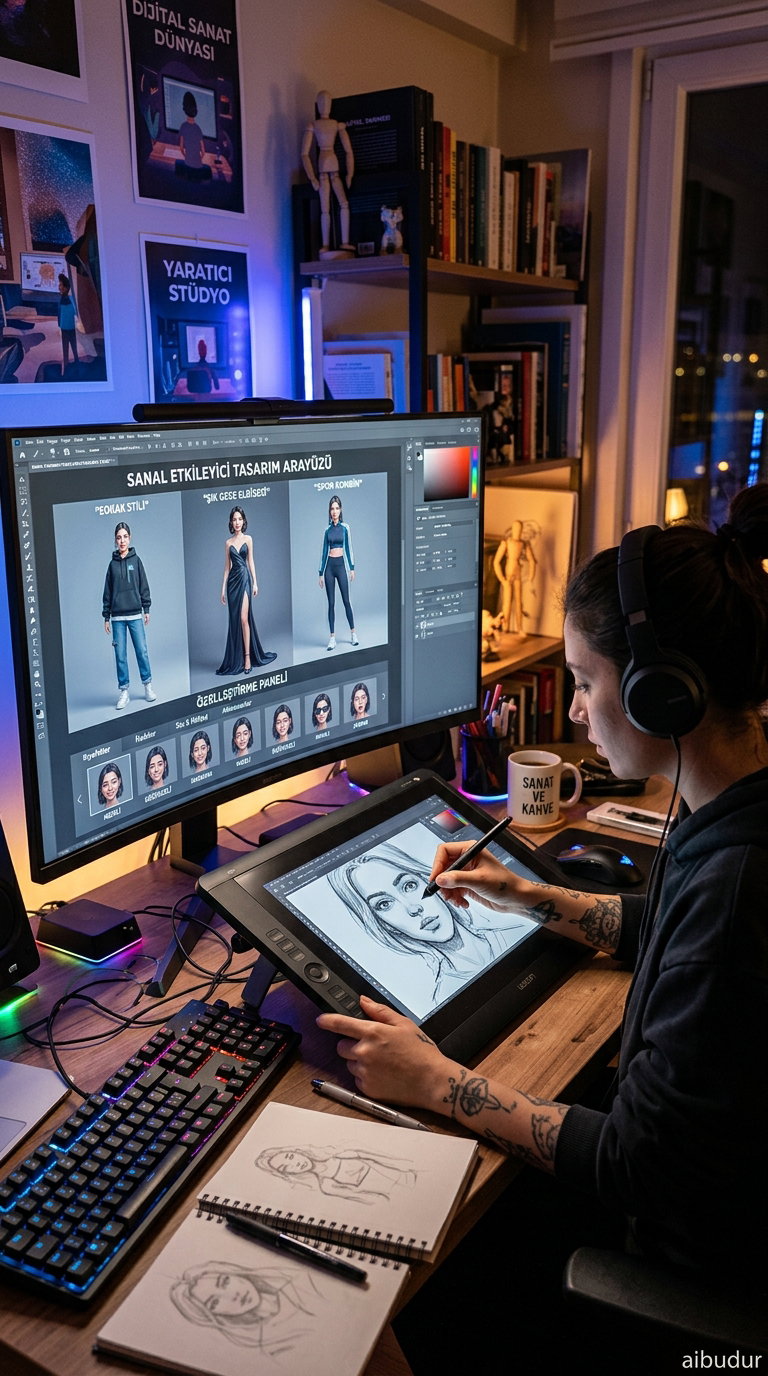
The process involves more than a single step. First, the character’s personality is defined to match the brand’s identity: how they speak, what they wear, and what topics they care about. At this stage, the visual identity and overall aesthetic are also finalized.
Next, the AI infrastructure takes over. Captions, images, and videos for social media posts are generated automatically for the character. These systems can also handle community management by responding to follower comments and messages. That means the virtual character can stay active around the clock without anyone having to sit at a computer. You can also check out our article, where we explore the virtual influencer creation process in more detail.
What Are the Benefits for Brands?
So why choose a digital character instead of working with a real influencer? There are several clear advantages.
With traditional influencer partnerships, control over the brand message is always limited. A real person might say something off-brand, get caught in a scandal, or share content outside the agreement. A virtual influencer removes those risks. The brand has direct control over every word, every visual, and every interaction the character has.
Cost is another big factor. Over time, maintaining a virtual character can offer a more predictable budget than ever-changing influencer fees and agency commissions. On top of that, the character can produce content 24/7; they don’t take vacations, don’t get tired, and don’t ask for contract renegotiations.
Successful Examples from Turkey
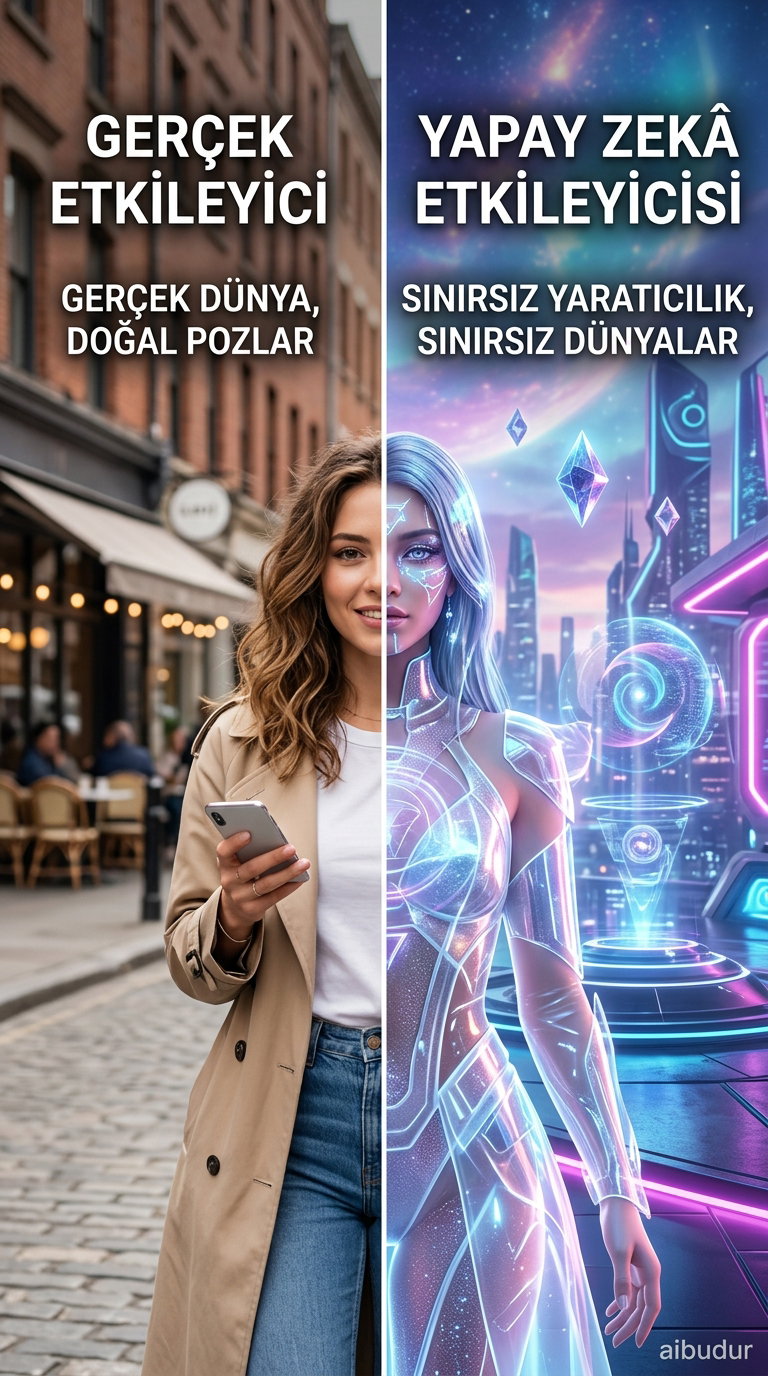
This isn’t just a theoretical idea. Characters like "İdea," created by the brand Evidea, and "Alin," used by Ford in Turkey, show that the virtual influencer model works in the local market too. These characters have built their own followings on social media and have been used effectively in brand campaigns.
The global scene tells a similar story. Characters like Lil Miquela have become the face of major brands, with millions of followers. Looking at these examples, it’s hard not to ask: why do people engage even when they know the character is digital? Because when the content is consistent, visually appealing, and the personality is clear, realism starts to matter less.
Exploring AI-supported content creation strategies will help you evaluate virtual influencer management from a broader perspective.
If you want to build your own digital content strategy and try the tools in this space, visit the aibudur.com platform. You can step into the world of virtual content with the 50 free credits you get when you sign up.