Mastering the Art of Building an AI-Powered Product Recommendation Engine
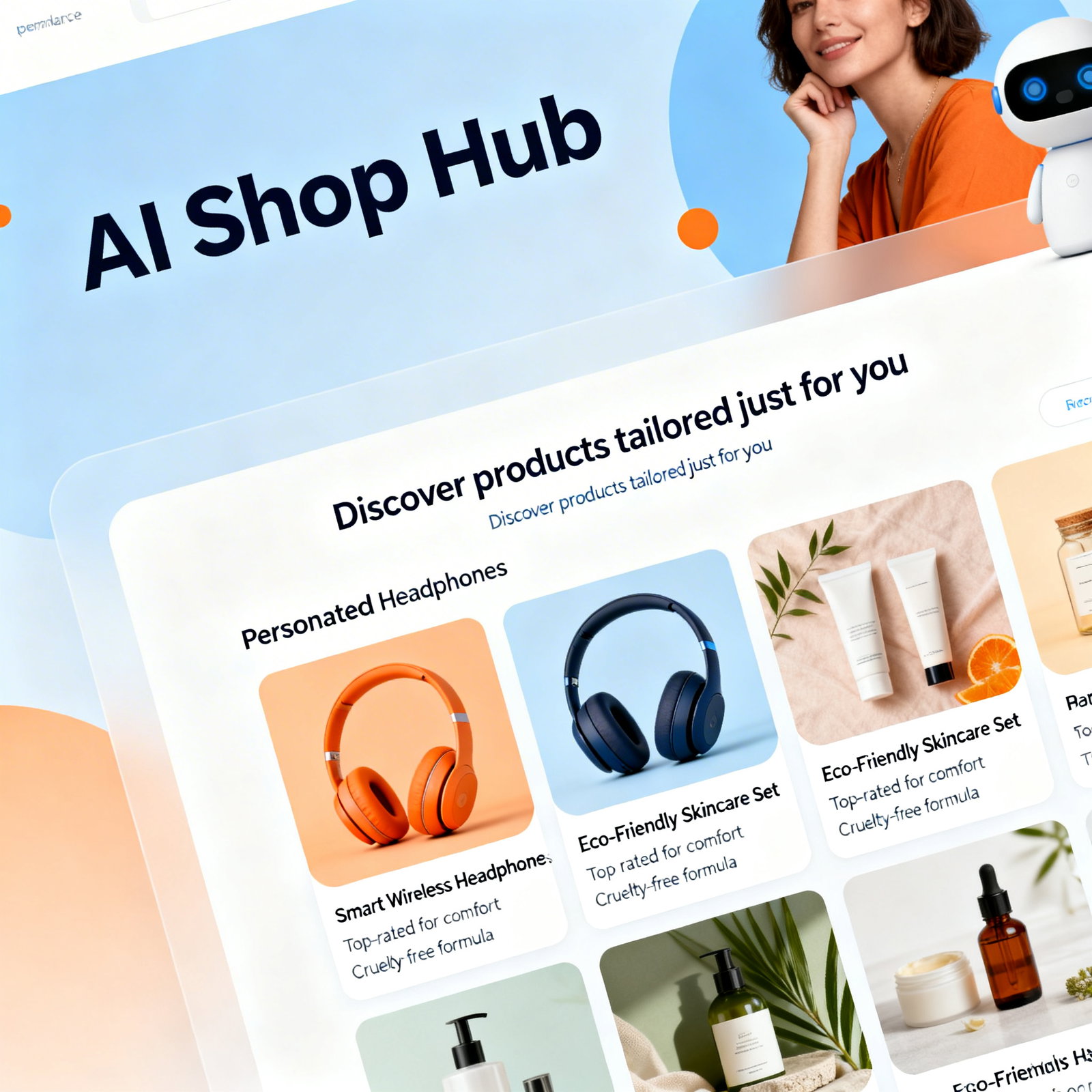
Competition in e-commerce is tougher than ever. When a customer visits your site, showcasing exactly what they're looking for not only increases your chances of making a sale but also simplifies re-engaging that individual. Personalized product recommendations achieve just that: delivering the right product to the right person at the right moment. Artificial Intelligence (AI) powered recommendation engines streamline this process, automating it rather than managing it manually.
These engines leverage customers' past purchases, search histories, demographic data, and even social media interactions to craft a unique set of recommendations for each user. If a customer is shown socks after browsing sneakers or if a complementary item to a purchase made last month is suggested, it's no coincidence; it's the result of a sophisticated machine learning model. Moreover, these systems evolve over time: as more data accumulates, the accuracy of recommendations improves, leading to a continually enhanced customer experience.
The journey begins by identifying the right data sources. You can gather data through cookies, user accounts, and forms on your website. However, raw data on its own is meaningless; successful implementation requires cleaning incomplete or inconsistent records and categorizing data effectively.
Once your data is primed, it's time to select an algorithm. Various approaches exist: collaborative filtering looks at the behavior of similar users, content-based filtering hones in on product features, while hybrid methods merge the two. The quickest way to determine what works best for you is by running small-scale tests. Process a week's worth of user data with two different algorithms and compare the outcomes; often, numbers tell a clearer story than speculation.
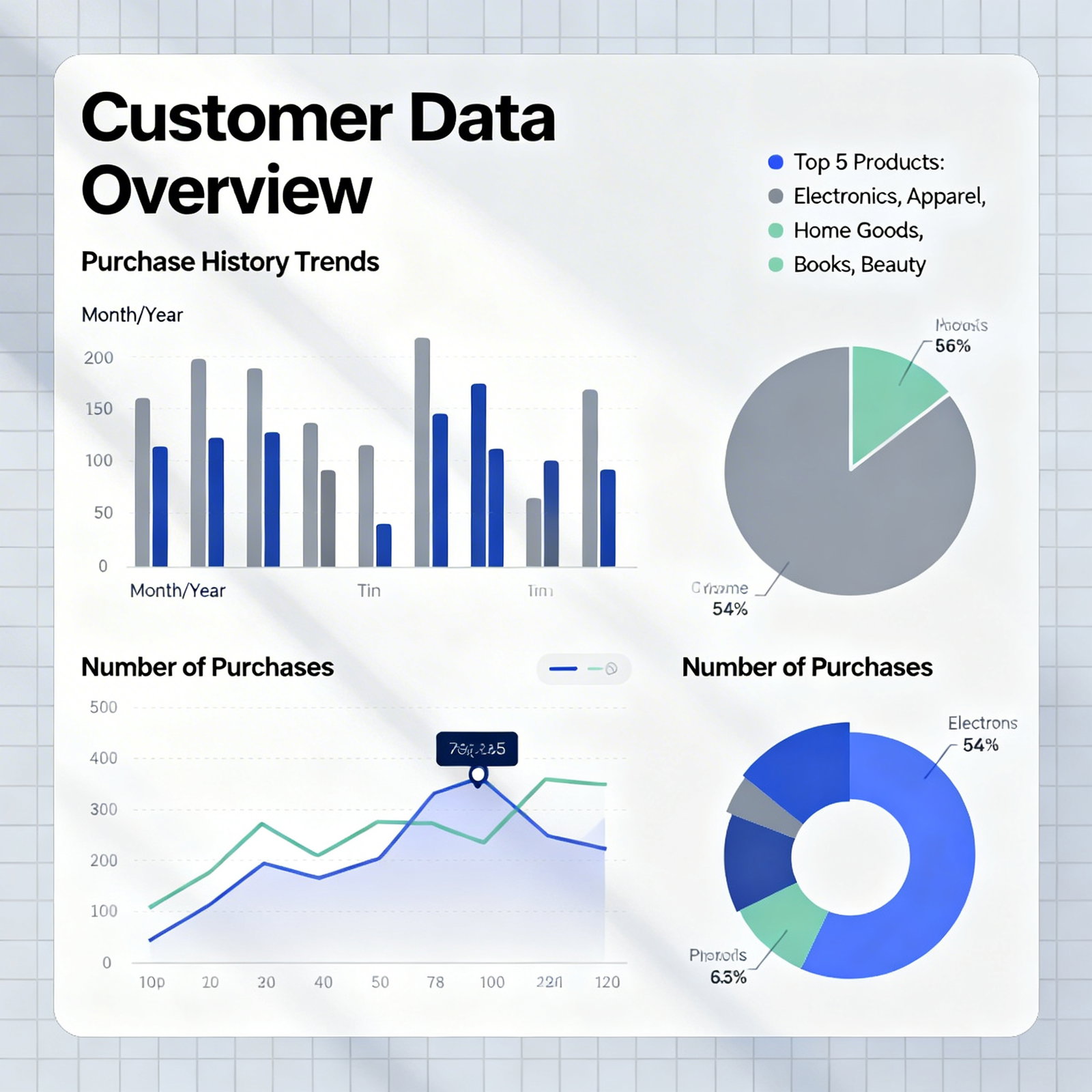
After training the model, the next step is integrating it with your website. While this may seem like the most technically daunting part, the real challenge begins post-integration: monitoring the system in real-time. A recommendation engine isn’t a setup-and-forget system. If you don’t regularly review conversion rates, click data, and user feedback, drift can occur; your model might keep suggesting outdated patterns while customer preferences evolve.
So, how do you implement these enhancements? A/B testing shines in this arena. Present one recommendation strategy to half of your users and a different one to the other half, then measure which group converts more. If you have a mobile app, extend the recommendation engine to it as well; ensure a seamless experience for customers, no matter the channel they choose. For more strategies to amplify conversion rates, don’t miss our article on Methods to Quickly Increase E-Commerce Sales with AI.
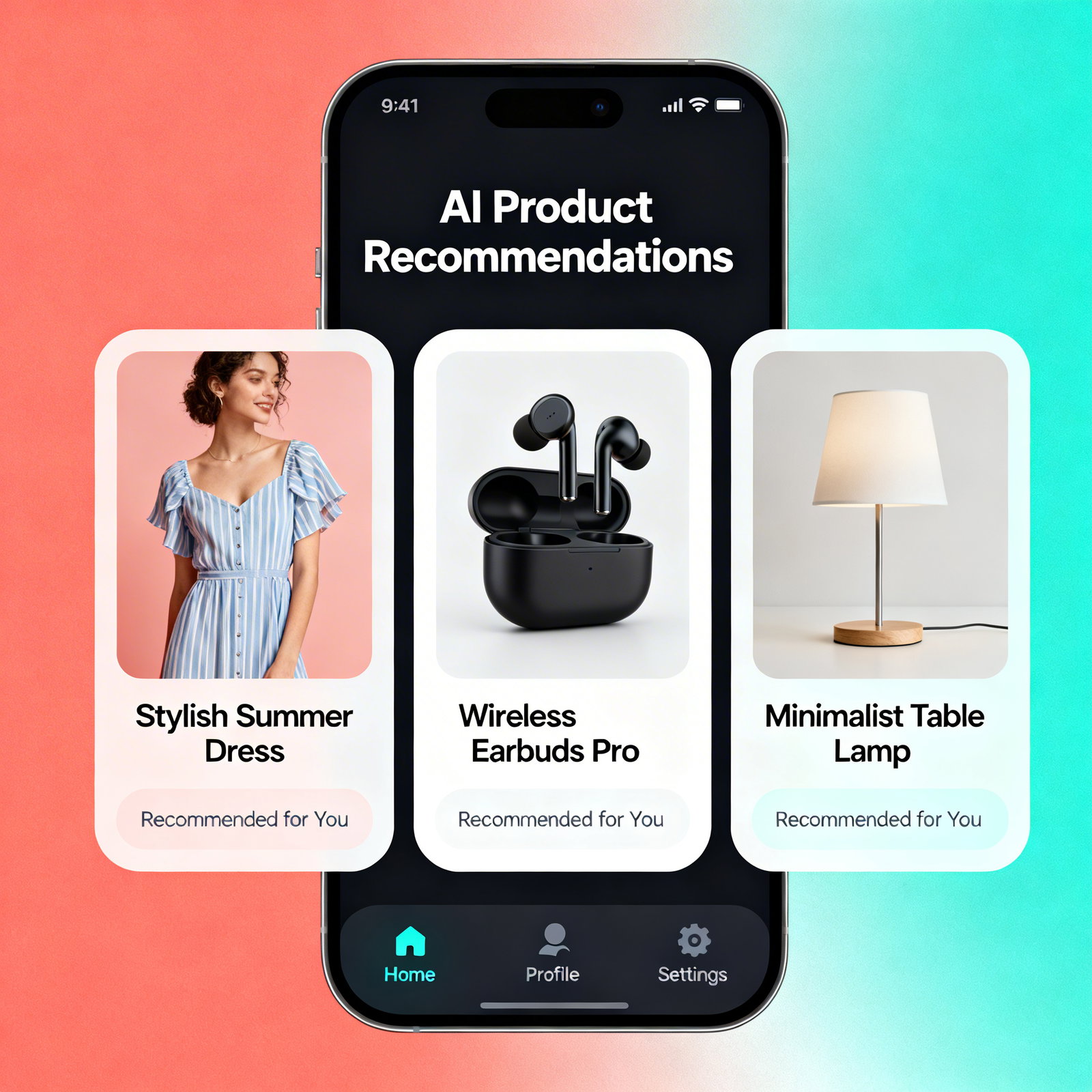
Is a hefty budget or a massive technical team required to build such a system from scratch? Think again! By visiting Aibudur.com, you can access free AI tools and earn 50 free credits. It's an ideal starting point for crafting personalized recommendation experiences. With the right recommendations, you can elevate customer satisfaction, boost your sales, and outpace your competitors. Additionally, our article on What is AI Price Optimization for E-Commerce? will provide valuable insights to support your profitability.