The Role of AI in Text-to-Speech Conversion

Text-to-Speech technology is quickly gaining ground in the digital content world as a way to turn written text into audio. The main force behind this innovation is artificial intelligence. Unlike old-school robotic voices, AI-powered systems can generate smooth, natural-sounding speech by analyzing the emotion, intonation, and emphasis in the text.
So, how does all of this actually work behind the scenes?
How Does the AI-Based Text-to-Speech Process Work?
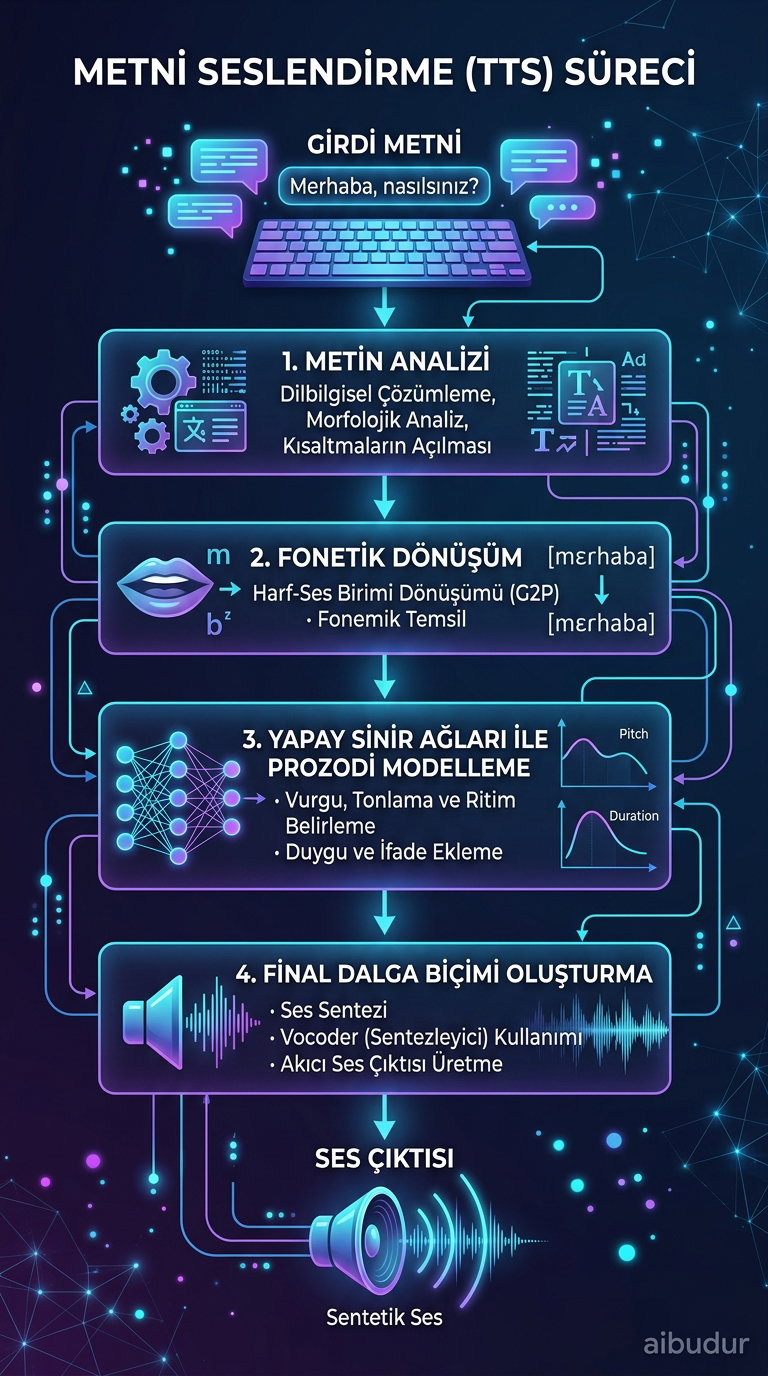
In the first step, AI analyzes the text and breaks words down into their phonetic building blocks. Even in a simple sentence like "Hello, how are you?", the same words can be spoken differently depending on the context, and the system picks up on that nuance here. It determines the correct pronunciation of each word and how it fits into the sentence.
Next, deep learning models take over. Trained on millions of hours of human speech data, these models calculate the text’s prosody—things like rhythm, intonation, and emphasis. Finally, using this linguistic data, the system synthesizes a *waveform* that closely mimics the human voice and turns it into audible speech.
Use Cases: From Education to Accessibility
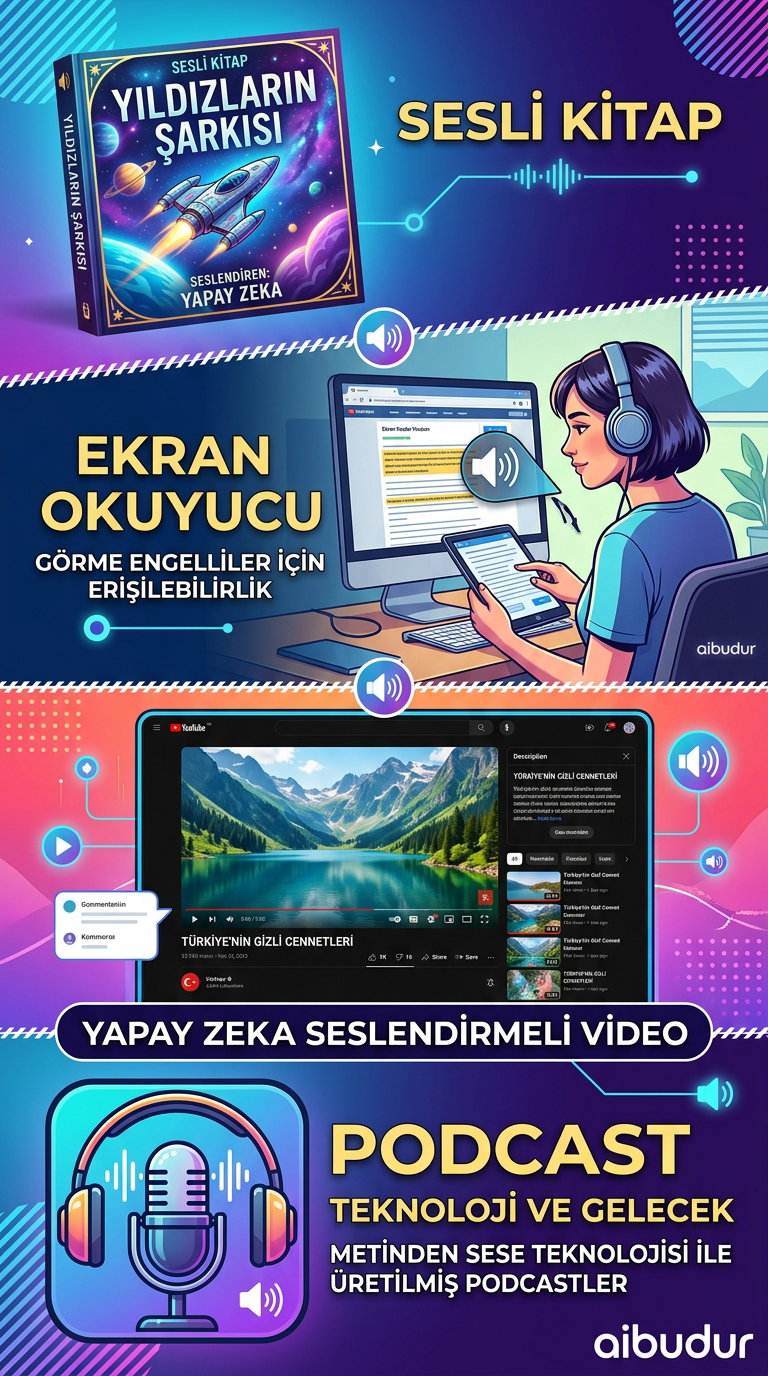
The reach of this technology goes further than you might expect. A student can turn class notes into audio and listen on the go, a visually impaired user can browse news sites more easily, or a YouTuber can get a professional voiceover for a video without ever stepping into a studio. Podcast voiceover with AI is one of the most exciting applications here; creators no longer need to spend hours recording audio.
And then there’s voice cloning, which is especially impressive. When a brand creates content consistently in its own voice, it builds familiarity and trust with listeners. That’s not just a nice bonus—it’s a practical way to strengthen brand identity over time.
Try the Technology Yourself
If you want to see text-to-speech technology in action, there are plenty of platforms to explore. aibudur.com offers 50 free credits to members, giving you a quick way to turn your text into natural, professional-sounding voices in seconds. It’s a great starting point for everything from personal projects to corporate content production.