Can AI Make Performance Reviews Fairer?

Traditional performance reviews are among the toughest challenges in human resource management. Too often, they reflect a manager’s mood that day, personal rapport, or the last few weeks of interaction with an employee—not a true measure of performance. That makes it hard to call the result objective.
Artificial intelligence offers a different angle. By analyzing large datasets and evaluating employee contributions against clear criteria, AI systems can play a real role in reducing human bias. But this isn’t a magic fix; it only works when the process is thoughtfully designed.
The Consistency AI Brings to Evaluations
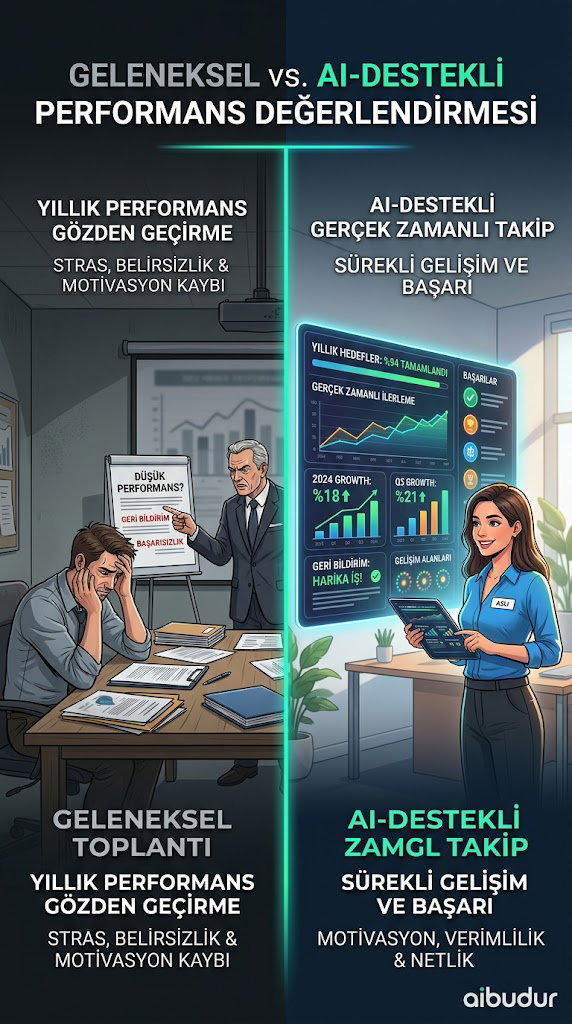
Take annual reviews as an example: a manager is expected to evaluate twelve months of work in a two-hour meeting. And, naturally, the most recent events are usually the easiest to remember. That’s recency bias—the tendency to give too much weight to what happened most recently—and it’s one of the most common sources of evaluation errors.
AI-powered systems can continuously track data such as project completion rates, collaboration frequency, and goal achievement throughout the year. That means the evaluation reflects performance across a real timeline instead of a single moment. The result is a much fairer picture for the employee.
Is the Algorithm Fair, or Does It Inherit Bias?
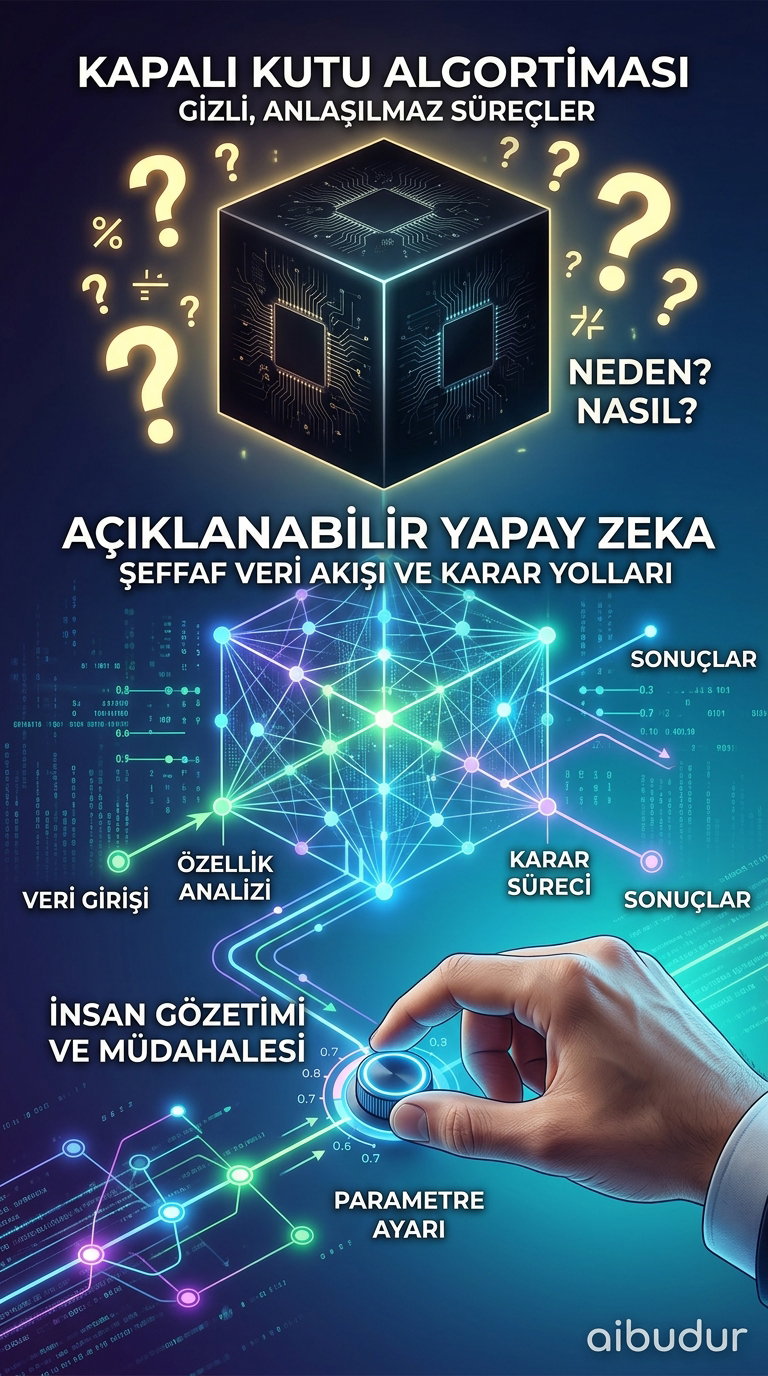
But what if the AI itself is biased? That’s a critical question. If the data used to train an AI model contains past biased decisions, the system can inherit those prejudices—and even amplify them. In tech, this is known as "algorithmic bias."
To reduce that risk, models need to be transparent, decisions must be grounded in explainable logic, and human oversight should never be removed from the process. Looking at how AI is used in onboarding processes, it’s clear that the strongest results come from organizations that treat technology as an assistant, not an autonomous authority. AI should not make the final call; it should gather and present the data, leaving interpretation to people.
The Balance Between Technology and Human Judgment
Fair performance evaluation doesn’t happen automatically just because AI is involved. Everything matters—from the metrics fed into the system and how those metrics are interpreted in cultural and company-specific contexts to how clearly employees are informed about the process. Studies on methods for building a personal productivity system with AI also show that success comes not from the tool’s raw power, but from the quality of its design.
When configured properly, these systems create a genuinely useful feedback loop for both employees and managers. Consistent data reduces end-of-year surprises and gives development planning a much more solid foundation.
For anyone who wants to try these tools firsthand, the aibudur.com platform is a great place to start. With the 50 free credits offered at registration, you can explore AI features in a real-world use case.