MCP (Model Context Protocol): The Universal Connector for AI
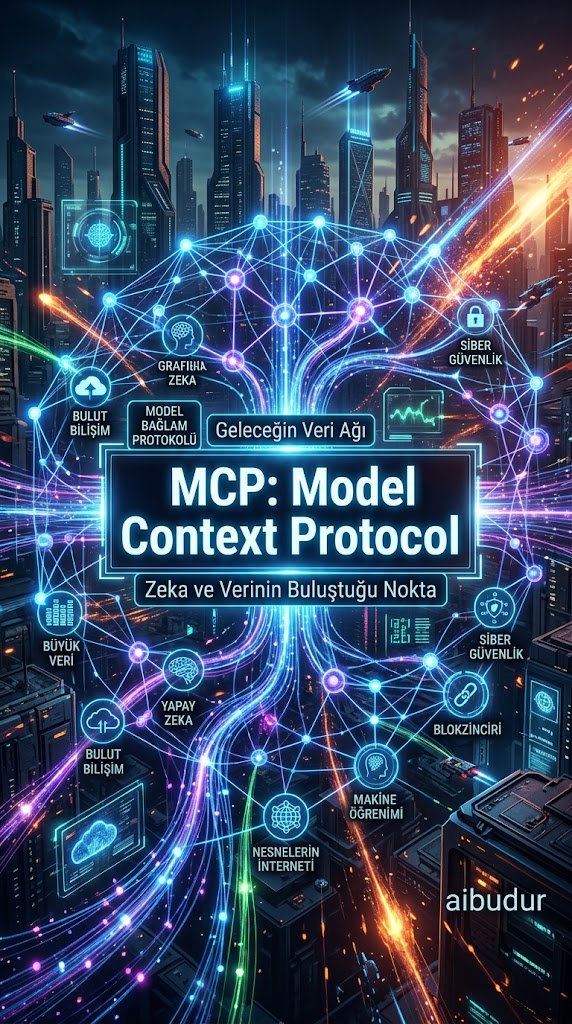
MCP, short for Model Context Protocol, is an open-source standard that lets AI models communicate smoothly with external data sources, apps, and tools. Developers often call it the "USB-C for AI" because it acts as a common bridge between systems, eliminating the need to rebuild custom integrations every time.
Its core purpose is straightforward but powerful: to help AI act more dynamically by pulling in real-time data from the outside world instead of relying only on static knowledge.
How MCP Powers AI Applications
The biggest practical advantage of MCP is that it gives AI models access to real-time data. But what does that look like in practice? Imagine a customer service AI connecting directly to a CRM system through MCP and instantly retrieving a customer's latest order details. It doesn't have to guess or rely on outdated records; it sees exactly what's available at that moment.
This helps models deliver more accurate answers and greatly reduces the risk of "hallucination"—when AI presents made-up information as if it were true. Real-time data access is one of the strongest defenses against that problem.

What Does It Mean for Developers?
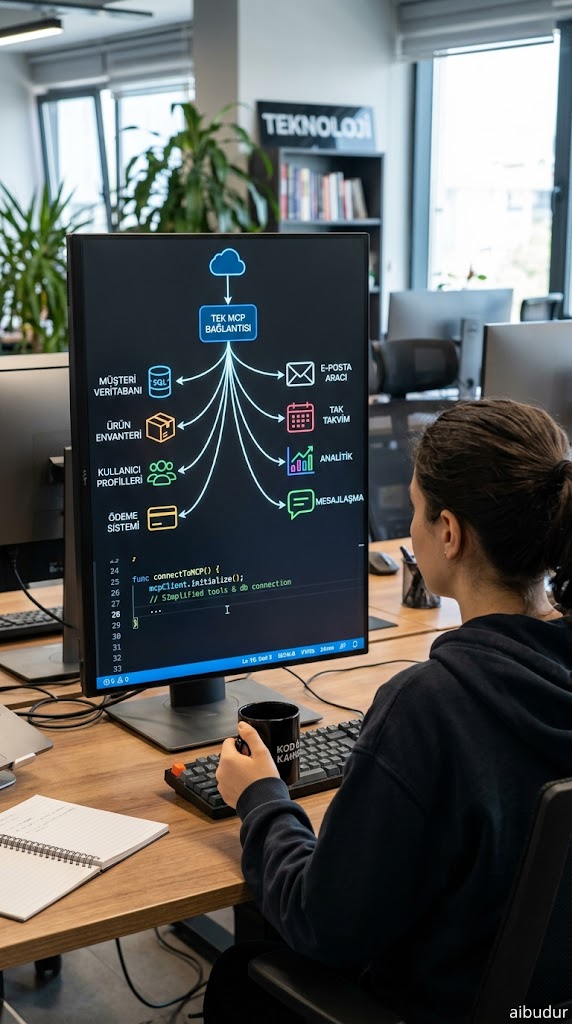
Think about a development team that has to write separate integration code for every new tool or data source. It's time-consuming and hard to maintain. Model Context Protocol changes that. Once a standard MCP server is in place, multiple systems can be accessed through a single integration.
That speeds up development, reduces repetitive coding work, and makes it much easier to scale across different environments. Standardization also makes life easier in areas like how to set up AI workflows for small businesses.
A Critical Detail About Data Security
For organizations handling sensitive data, the ability to run MCP servers locally is especially important. When data such as banking transactions, health records, or corporate reports must stay on-site, the server can run on your own infrastructure. That helps with compliance and reduces the risk of data leaks.
MCP plays a central role in keeping the different parts of the AI ecosystem working together smoothly. The value of standard protocols like this becomes even clearer with each project cycle, especially in workflows like improving customer experience with conversational AI. Without a shared language, connected systems quickly drift into integration chaos; MCP helps prevent exactly that.

If you want to try tools like these and see how AI can fit into your business, take a look at the aibudur.com platform. You can start testing right away with the 50 free credits you receive at your first login.