Multi-Agent Systems: The Collective Power of Intelligent Collaboration
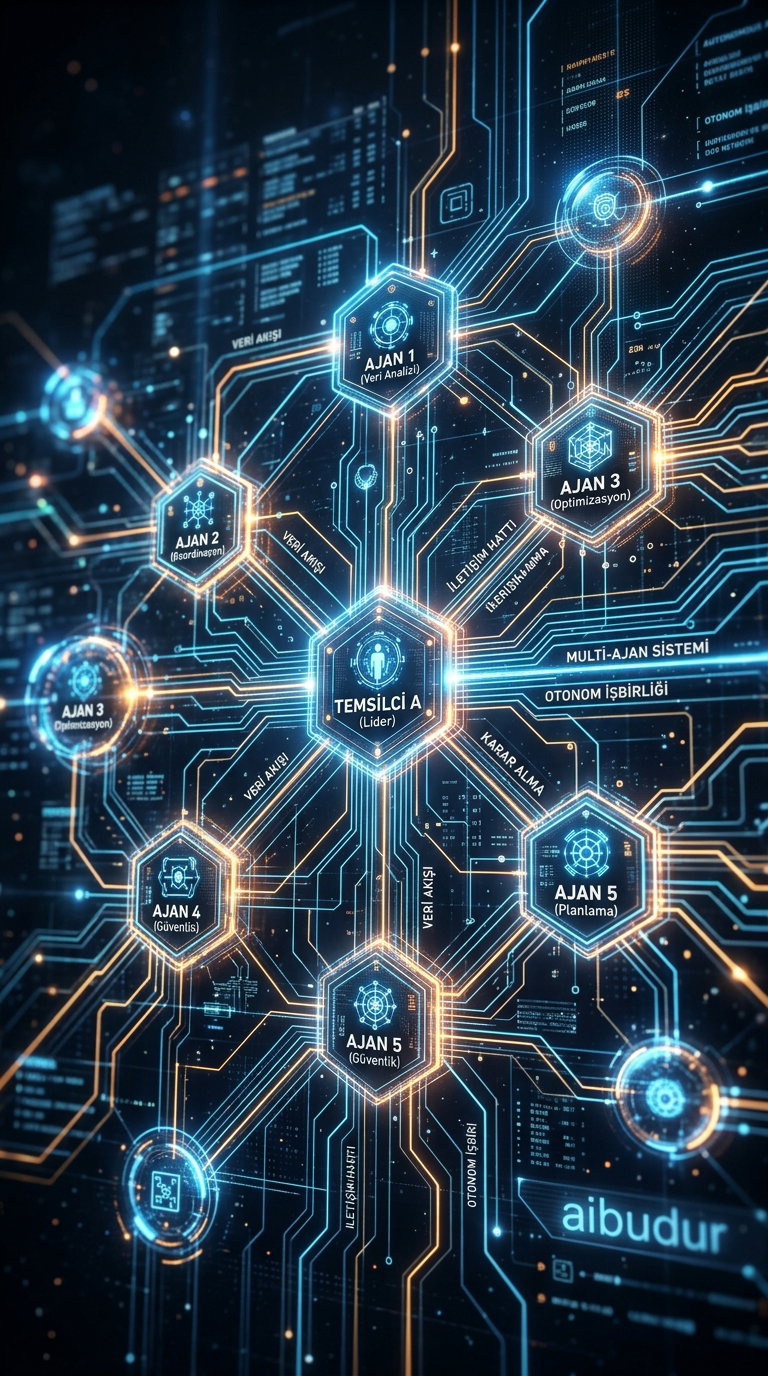
Multi-Agent Systems (MAS) are a framework built around multiple autonomous AI agents working together to solve complex problems. Each agent can make its own decisions and interpret its environment, but the real strength of the system comes from communication, coordination, and shared goals.
This kind of collective intelligence makes it possible to handle large, fast-changing tasks that a single agent simply couldn’t manage alone. Think of an e-commerce company that needs to juggle inventory, pricing, and customer demand at the same time. A single AI agent might quickly get overwhelmed, but a coordinated group of agents can keep the whole process running smoothly.
Key Advantages of Multi-Agent Systems
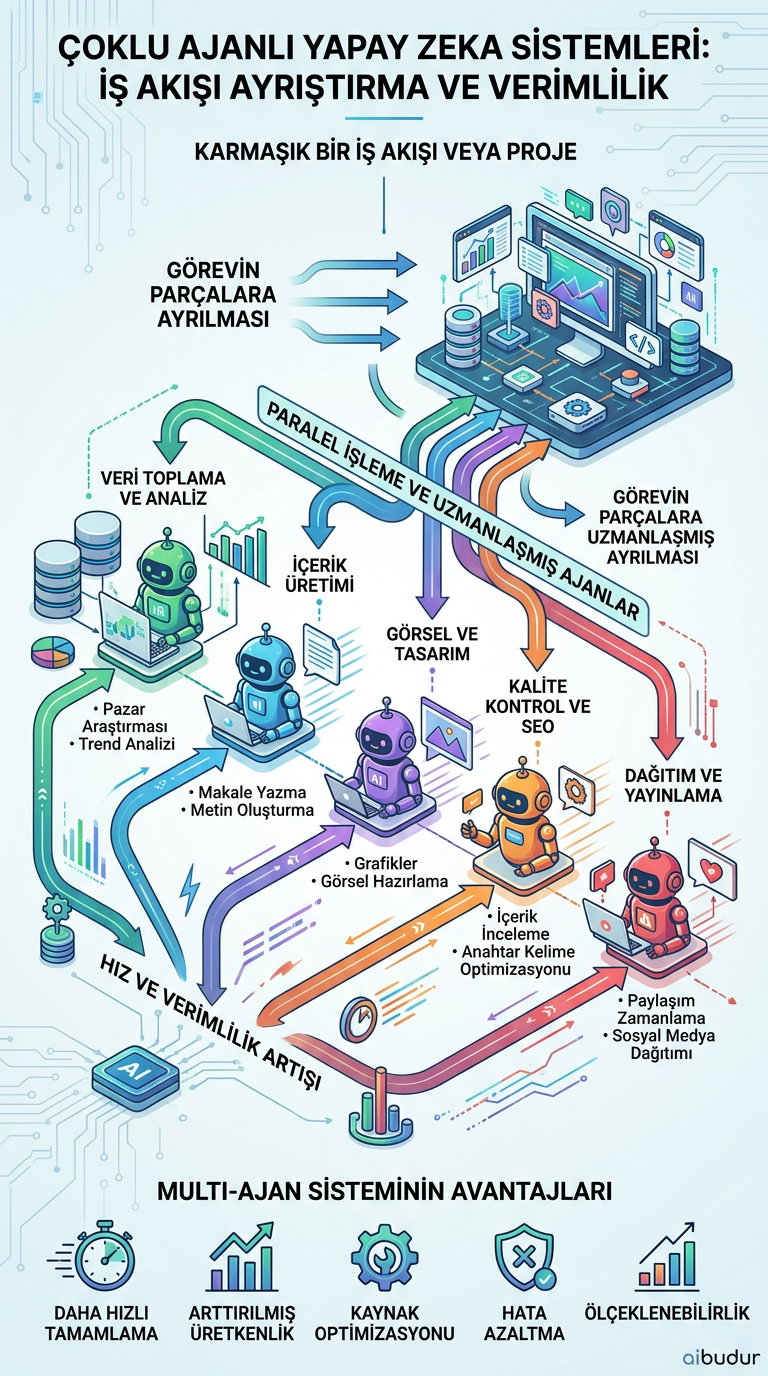
One of the biggest strengths of these systems is their scalability and flexibility. As a task becomes more complex, adding new agents is relatively straightforward. Each agent can specialize in a specific role: one collects data, another analyzes it, and a third handles reporting.
That division of labor allows tasks to run in parallel, boosting both speed and efficiency. But the most important advantage is resilience. If one agent encounters an error or goes offline, the others keep working, so the system doesn’t grind to a halt. In production environments, that kind of built-in redundancy can help prevent costly downtime. So what does this kind of architecture actually look like in practice?
Real-World Application Areas
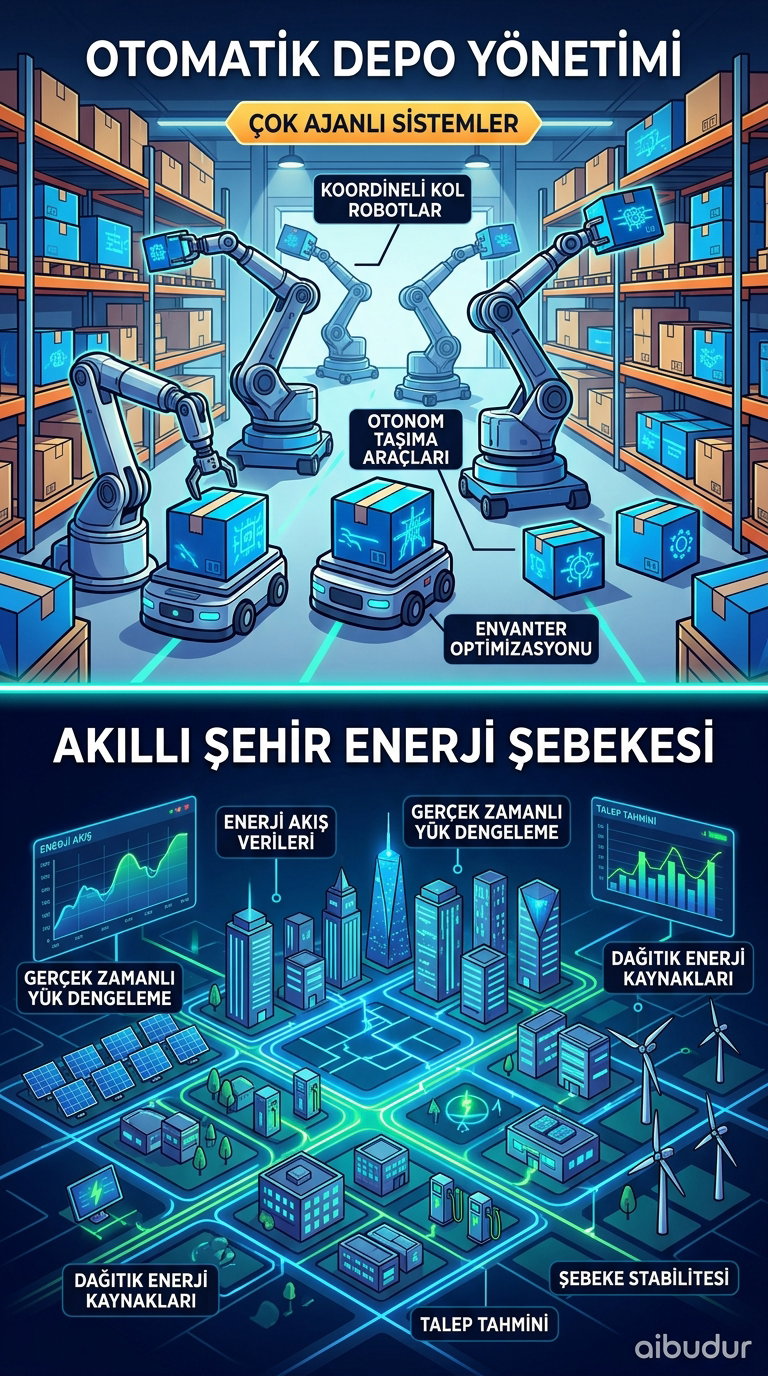
In supply chain management, Multi-Agent Systems automate everything from inventory tracking to logistics optimization. In smart grids, they help balance energy distribution; if consumption suddenly spikes in one neighborhood, the system detects it and redistributes the load. This architecture also underpins AI workflows for small businesses, making it easier for different departments to handle multiple tasks at once.
In the defense industry, these systems are used for complex simulations and threat analysis. In robotics, they power search-and-rescue and exploration missions through the coordinated movement of multiple robots. The synchronized operation of AI agents can dramatically improve mission success rates compared to single-agent systems. If you're interested in the bigger picture, our article on the evolution of generative AI in 2026 offers a broader perspective.
If you want to bring this architecture into your own projects, choosing the right tools is half the battle. aibudur.com brings together a wide range of artificial intelligence tools in one place. When you sign up, you can explore the platform for yourself with 50 free credits.