AI-Powered Payroll and Employee Records Automation
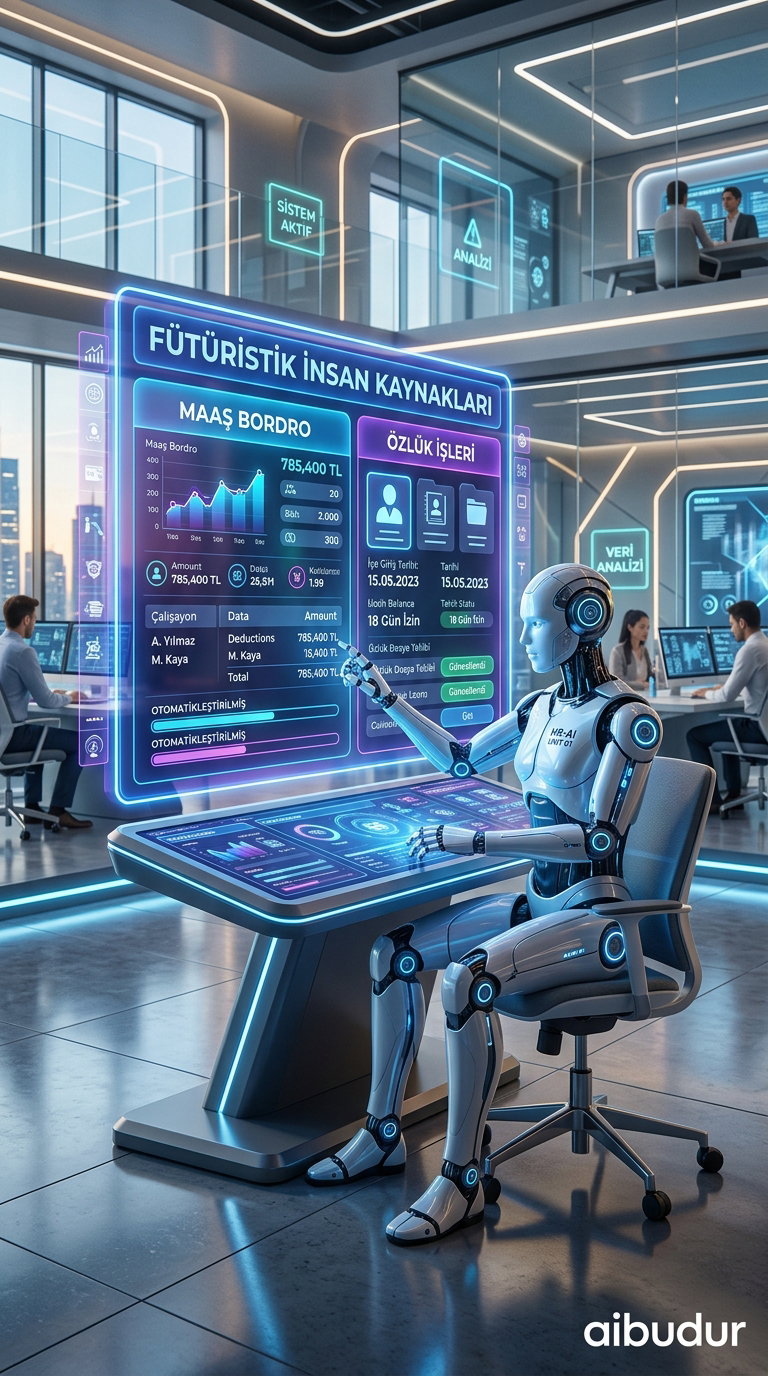
HR professionals know the drill: month-end payroll close can quickly turn into a frantic scramble through overlapping Excel sheets, data pulled from multiple systems, and last-minute corrections. While payroll and personnel records management may seem routine, even a single mistake can lead to employee frustration or legal penalties. This is exactly where Artificial Intelligence (AI) comes in.
The Role of AI in Payroll Calculations
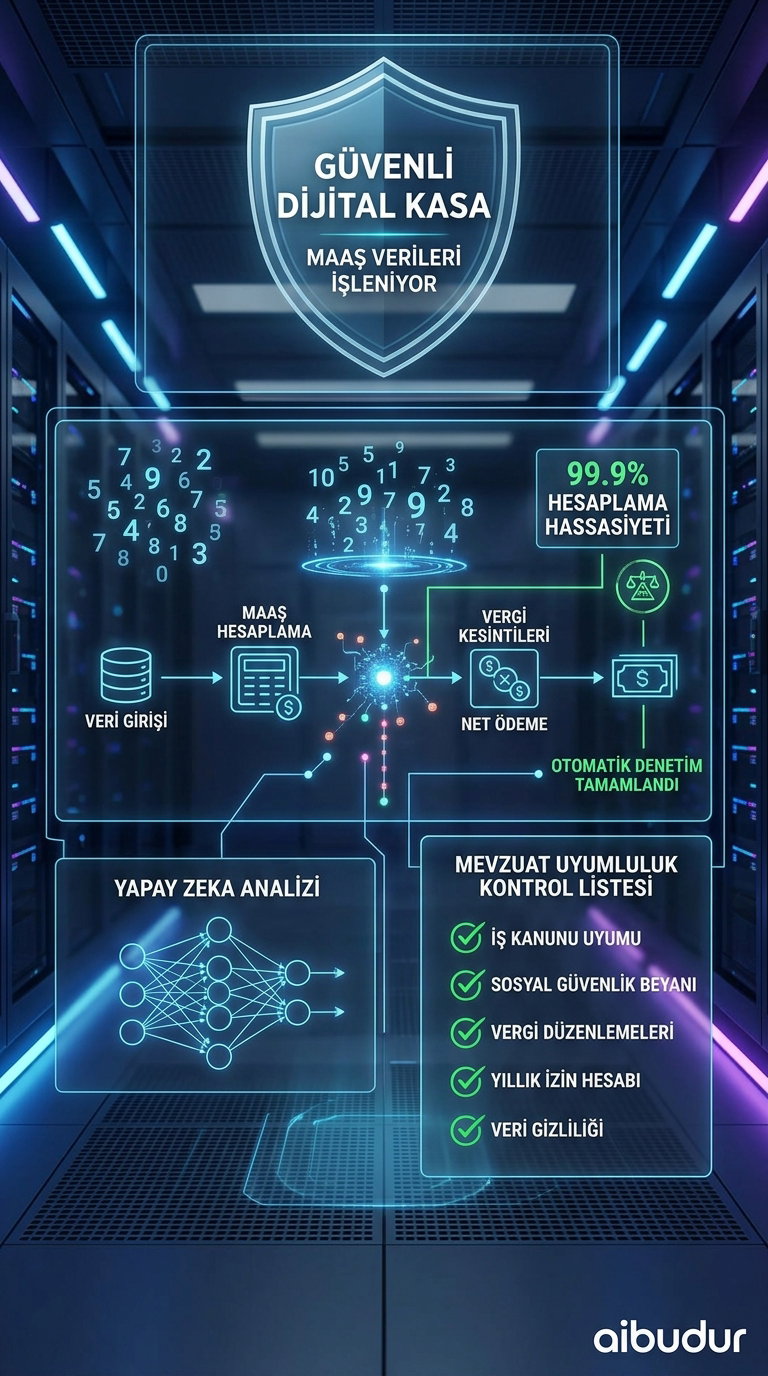
Payroll automation is one of the areas where AI delivers the fastest results. By processing dozens of variables at once—such as statutory deductions, income tax brackets, social security contributions, overtime pay, and individual bonuses—these systems instantly spot inconsistencies that a human eye could easily miss.
Even better, keeping up with legislative changes is no longer a burden for HR teams. The system automatically pulls in the latest regulations and applies them to calculations. Thanks to intelligent algorithms that flag unusual entries and potential irregularities, financial risk is caught early. As a result, month-end close can be completed in hours instead of weeks.
How Does Automation Work in Personnel Records?
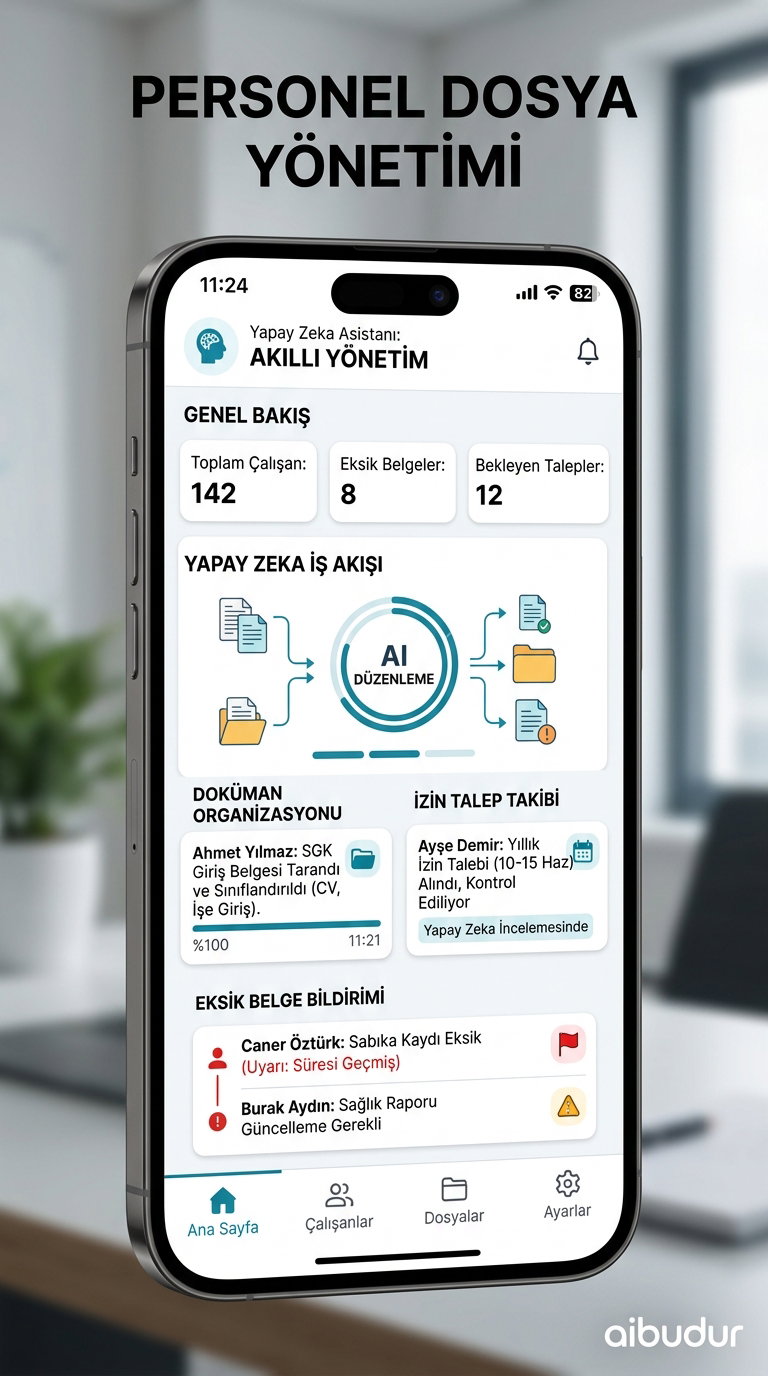
But what happens when we go beyond payroll? Personnel records automation covers everything from the moment an employee joins the company. That includes entering employee information into the system, automatically evaluating leave requests, analyzing performance data, and tracking mandatory legal documents.
For example, if an employee's contract is missing a signature or a medical report has expired, the system can detect it and instantly notify the relevant department. When you think about doing this manually, it’s easy to see how exhausting it is to keep track of hundreds of personnel files on a regular basis. AI-powered systems effectively remove that administrative burden.
What Do HR Professionals Gain?
When repetitive work is automated, HR specialists suddenly get their time back. That opens the door to talent management, improving the employee experience, and strategic workforce planning. If you look at how AI is used in onboarding processes, you’ll see that automation isn’t limited to payroll—it spans the entire HR lifecycle.
The same applies to smaller businesses. Even in one-person HR teams, these systems can be implemented easily by setting up AI workflows. Implementation doesn’t have to be complicated; the key is choosing the right process to automate first.
Automating payroll and personnel records is one of the most practical ways to reduce errors and lower compliance risk. If you want to explore AI tools for content creation and business process research, visit the aibudur.com platform; you can try the tools right away with 50 free credits offered just for you.